





















Trump delays strikes on Iran energy sites
President Donald Trump has ordered a five-day pause on planned military strikes targeting Iranian power plants and energy infrastructure, signalling a temporary shift in Washington’s approach amid rising tensions with Tehran and mounting concerns over broader regional escalation. Announcement, delivered through official channels, comes at a moment when military planners had reportedly finalised options aimed at crippling segments of Iran’s energy grid. The delay introduces a narrow […]The article Trump delays strikes on Iran energy sites appeared first on Arabian Post.
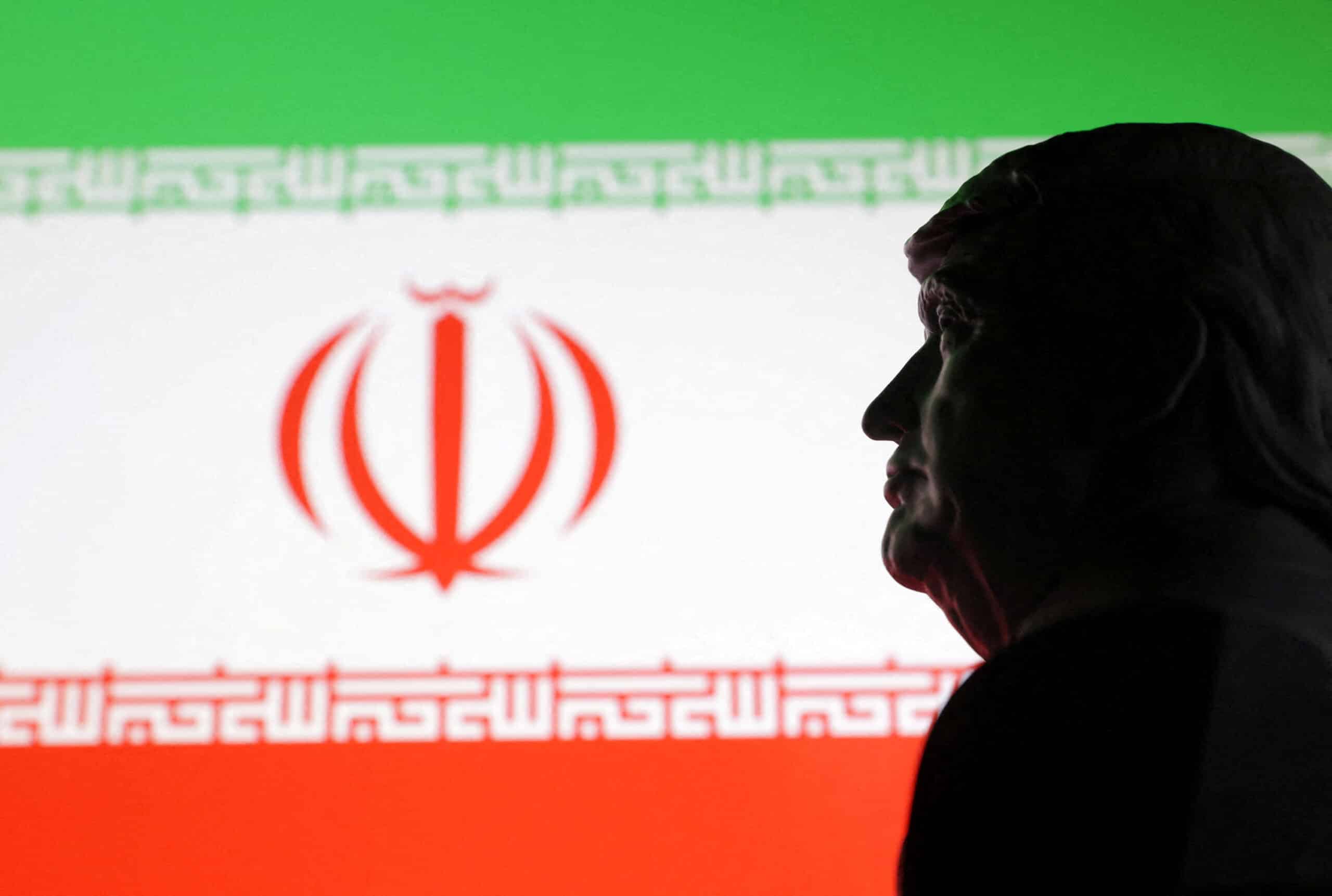

President Donald Trump has ordered a five-day pause on planned military strikes targeting Iranian power plants and energy infrastructure, signalling a temporary shift in Washington’s approach amid rising tensions with Tehran and mounting concerns over broader regional escalation.
Announcement, delivered through official channels, comes at a moment when military planners had reportedly finalised options aimed at crippling segments of Iran’s energy grid. The delay introduces a narrow diplomatic window, with officials indicating that the pause is intended to allow for reassessment of strategic objectives and potential backchannel engagement.
Senior figures within the administration described the move as tactical rather than conciliatory, emphasising that military readiness remains intact. Defence officials noted that assets positioned in the Gulf and surrounding regions would stay on alert, with contingency plans unchanged. The Department of War has not withdrawn any deployed capabilities, underscoring that the postponement does not equate to de-escalation in operational terms.
Tehran has not issued a formal response to the delay, though state-aligned media outlets framed the development as evidence of pressure on Washington from allies wary of a wider conflict. Analysts tracking Iranian policy suggest that leadership in Tehran is likely to interpret the pause cautiously, balancing the prospect of diplomatic manoeuvring with preparations for potential retaliation if strikes proceed after the five-day window.
Energy infrastructure has emerged as a focal point in the confrontation, reflecting its strategic importance to Iran’s economy and regional influence. Power plants and associated facilities underpin domestic stability while supporting industrial output and export capacity. Any sustained disruption could have far-reaching consequences, not only within Iran but across energy markets that remain sensitive to geopolitical shocks.
Markets reacted with measured volatility following news of the postponement. Oil prices, which had edged higher amid expectations of imminent military action, showed signs of stabilisation as traders reassessed the likelihood of immediate disruption. However, analysts cautioned that uncertainty persists, particularly given the limited duration of the delay and the absence of a clear diplomatic framework accompanying the decision.
Military experts point to the complexities involved in targeting energy infrastructure, noting that such operations carry risks of unintended civilian impact and environmental damage. Strikes on power facilities could trigger cascading failures across grids, affecting hospitals, water systems and essential services. These considerations have long shaped debates within policy circles over the proportionality and long-term consequences of such actions.
Within Washington, the decision has prompted a mix of support and criticism. Advocates of a more restrained approach argue that the pause creates space to explore alternatives that might avoid direct confrontation. Others contend that delaying action could be perceived as hesitation, potentially emboldening adversaries and complicating deterrence efforts.
Diplomatic channels, though limited, appear to be under renewed scrutiny during the pause. Officials familiar with the situation indicated that intermediaries in the region have been engaged to gauge Tehran’s willingness to enter discussions aimed at reducing tensions. No formal talks have been announced, and expectations remain guarded given the deep mistrust between the two sides.
Regional actors are closely monitoring developments, with several governments expressing concern over the potential spillover effects of any escalation. Gulf states, in particular, face heightened exposure due to their proximity to critical shipping lanes and energy infrastructure. Security measures have reportedly been reinforced across key installations, reflecting the uncertain outlook.
Strategists note that the five-day timeframe is unusually short for meaningful diplomatic progress, suggesting that the delay may serve primarily as a signalling mechanism rather than a substantive shift in policy. By pausing planned strikes without altering underlying military posture, Washington appears to be balancing pressure with a limited opportunity for recalibration.
Attention is also focused on the broader geopolitical context, including ongoing tensions across multiple theatres that have stretched diplomatic and military resources. The decision to delay action against Iran’s energy sector may reflect an effort to manage escalation risks while maintaining flexibility in an increasingly complex strategic environment.
The article Trump delays strikes on Iran energy sites appeared first on Arabian Post.
What's Your Reaction?