




















UAE agrees to take seat on proposed Peace Board
Arabian Post Staff -Dubai United Arab Emirates has accepted an invitation from the United States to join the Board of Peace, a new diplomatic initiative advanced by President Donald Trump that aims to promote stability, restore dependable governance and help secure peace in conflict-affected regions, according to officials familiar with the discussions. The acceptance places Abu Dhabi among the first governments to publicly align with the proposal, […] The article UAE agrees to take seat on proposed Peace Board appeared first on Arabian Post.

Arabian Post Staff -Dubai
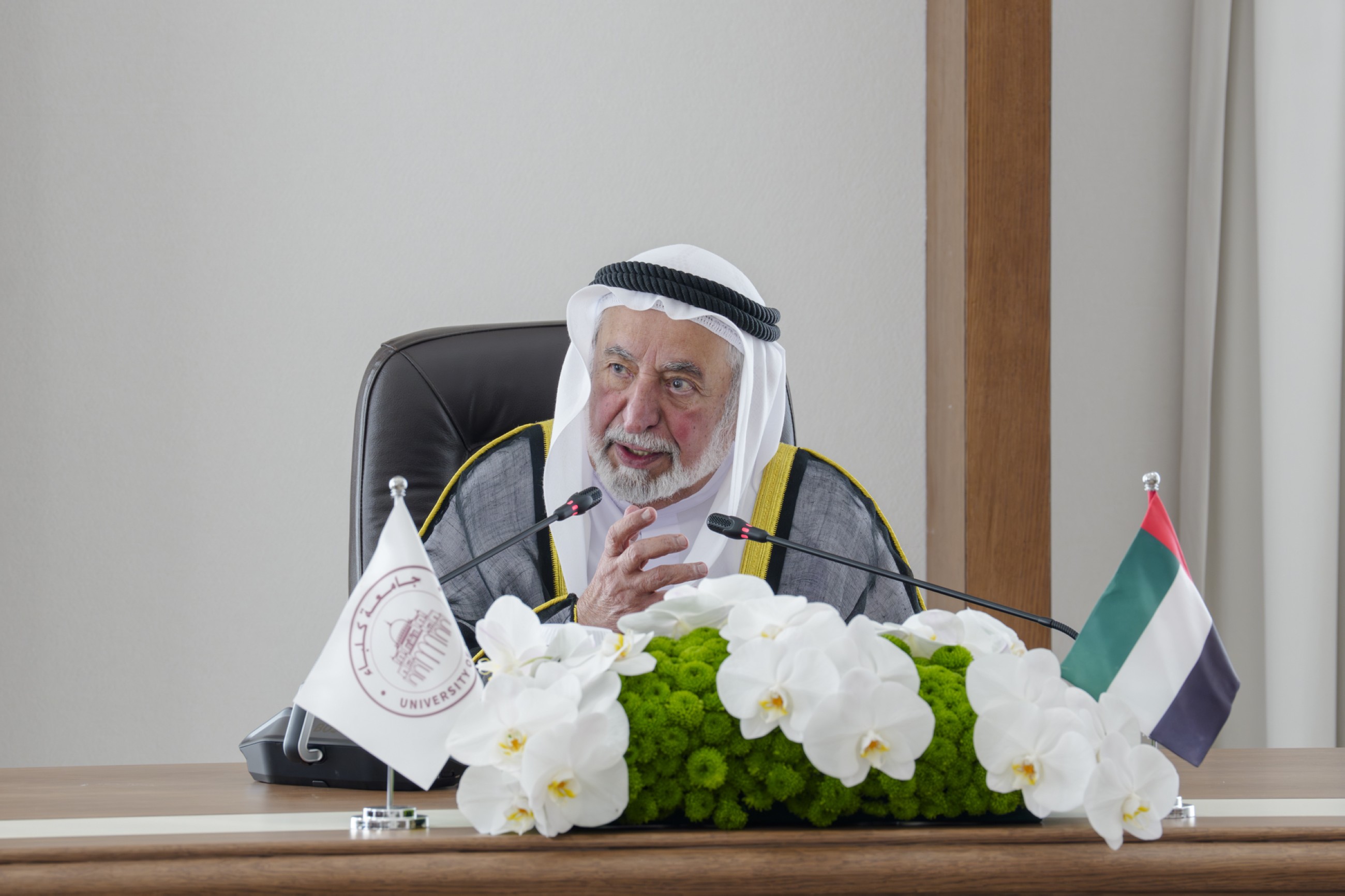
United Arab Emirates has accepted an invitation from the United States to join the Board of Peace, a new diplomatic initiative advanced by President Donald Trump that aims to promote stability, restore dependable governance and help secure peace in conflict-affected regions, according to officials familiar with the discussions. The acceptance places Abu Dhabi among the first governments to publicly align with the proposal, signalling support for a framework that Washington says will emphasise burden-sharing, political settlements and post-conflict reconstruction alongside security guarantees.
The Board of Peace is being shaped as a standing forum rather than a treaty body, with membership expected to include a small group of states regarded by Washington as capable of pairing diplomatic reach with financial and logistical capacity. Administration officials have described the body as a mechanism to coordinate mediation, support ceasefires, oversee transitional governance arrangements and mobilise investment for recovery, particularly where international peacekeeping missions have stalled or drawn down. The invitation to the UAE follows consultations with Gulf partners and allies in Europe and Asia on the contours of the initiative.
For the UAE, the decision reflects a broader foreign policy trajectory that has combined security partnerships with an expanding diplomatic portfolio across the Middle East, Africa and parts of Asia. Emirati officials have highlighted experience in stabilisation and development projects, including infrastructure rebuilding, humanitarian logistics and institutional support in fragile environments. Participation in the Board would allow Abu Dhabi to help shape priorities and guardrails, while aligning with a US-led effort that seeks to recalibrate how international actors engage in complex conflicts.
Washington has framed the Board as a response to what it views as fatigue with open-ended military deployments and fragmented diplomacy. Senior officials argue that peace processes falter when mediation is disconnected from credible enforcement and economic recovery, and when local governance is not rebuilt quickly. The proposed forum would aim to integrate these strands, drawing on member states to underwrite monitoring mechanisms, provide technical expertise and coordinate with regional organisations.
The initiative also carries political implications. By inviting a mix of Western and non-Western partners, the administration appears intent on broadening ownership beyond traditional alliances. Analysts note that the UAE’s inclusion could help bridge divides, given its ties with a range of actors and its record of engagement across rival blocs. At the same time, the Board’s effectiveness will hinge on whether it can avoid duplicating existing institutions and whether its mandate remains narrowly defined.
Officials involved in the planning say the Board is not intended to replace the United Nations or regional bodies, but to operate as a catalytic platform that can move faster when opportunities for de-escalation arise. The model under discussion would see the Board convene ad hoc working groups for specific theatres, with clear timelines and exit criteria. Funding would be project-based, with contributions matched to agreed benchmarks on governance, security sector reform and humanitarian access.
The UAE’s acceptance comes amid a period of recalibration in Middle East diplomacy, where several states are weighing how to manage conflicts that have proven resistant to external intervention. Abu Dhabi has increasingly positioned itself as a mediator and convenor, investing in diplomacy alongside defence partnerships. Officials argue that this approach allows the country to support stability without being drawn into protracted conflicts.
From the US perspective, early buy-in from partners is crucial to lending credibility to a concept that has yet to be fully institutionalised. Administration figures have indicated that further invitations will be extended, with an emphasis on geographic balance and practical capability. Discussions are expected to address governance standards, transparency and safeguards to ensure that any engagement supports inclusive political outcomes rather than entrenching power.
The article UAE agrees to take seat on proposed Peace Board appeared first on Arabian Post.
What's Your Reaction?