


































UAE emergency warning system: Why residents don't always get missile alerts
[Editor's Note: Follow Khaleej Times live blog amid US-Israel-Iran war for the latest regional developments.]Ever wondered why your phone didn’t buzz during military operations in the UAE as the air defences dealt with aerial threats? The UAE’s early warning system (EWS) is geolocation-based, meaning residents may or may not receive siren alerts depending on their location at the time of the incident.In a video message, the National Emergency Crisis and Disasters Management Authority (NCEMA) explained that the system is intended to ensure timely, targeted alerts. The alerts are not issued uniformly across the country but are geographically targeted. The warning system is a vital preventive tool that promptly alerts the public and strengthens national preparedness in times of emergency.Stay up to date with the latest news. Follow KT on WhatsApp channels.“The national early warning system operates based on geographic location. Alerts are sent only to the areas concerned based on the location of the hazard, the nature of the hazard and the extent of its impact," the video message read.The authority also addressed public confusion arising when certain areas receive threat alerts while others do not, stating that this reflects the system's design rather than a malfunction."Some areas may receive alerts related to missile attacks, while other areas may not because the incident does not directly affect those locations. Alert receipt may also vary depending on the device’s location at the time the alert is issued and on emergency alert settings."NCEMA added that people in nearby areas may still hear sound reverberations from locations affected by missile attacks, even if they do not receive alerts, and stressed that this "does not indicate a system fault". Instead, it reflects the precision of the warning mechanism in directing alerts only where necessary.According to the authority, the warning system is designed to ensure accuracy and relevance in emergency communication, reinforcing the importance of relying on official channels for information during crises.Earlier in March, the UAE revised its public warning notification system, updating how residents are alerted during emergencies. The NCEMA had said that the change is intended to make alerts clearer and more appropriate for different times of the day.Instead of a uniform loud siren, the alert tone will now vary based on timing, with two distinct notification modes introduced:From 9am to 10.30pm: Current high tone for alert along with a standard text message tone for end of alert.From 10.30pm to 9am: Standard text message tone for both alert and standard end of alert.These alerts are activated in cases of “potential missile threats” arising from the ongoing Iranian aggression, instructing residents to take immediate shelter in the nearest secure building, avoid windows, doors, and open areas, and remain in place until further instructions from the authorities.Residents welcome UAE move to soften emergency missile alerts at nightReceived an emergency alert? Here’s what UAE residents need to do nextHearing thunder? UAE clarifies sounds, says alerts will be sent in case of threats
[Editor's Note: Follow Khaleej Times live blog amid US-Israel-Iran war for the latest regional developments.]
Ever wondered why your phone didn’t buzz during military operations in the UAE as the air defences dealt with aerial threats? The UAE’s early warning system (EWS) is geolocation-based, meaning residents may or may not receive siren alerts depending on their location at the time of the incident.
In a video message, the National Emergency Crisis and Disasters Management Authority (NCEMA) explained that the system is intended to ensure timely, targeted alerts. The alerts are not issued uniformly across the country but are geographically targeted. The warning system is a vital preventive tool that promptly alerts the public and strengthens national preparedness in times of emergency.
Stay up to date with the latest news. Follow KT on WhatsApp channels.
“The national early warning system operates based on geographic location. Alerts are sent only to the areas concerned based on the location of the hazard, the nature of the hazard and the extent of its impact," the video message read.
The authority also addressed public confusion arising when certain areas receive threat alerts while others do not, stating that this reflects the system's design rather than a malfunction.
"Some areas may receive alerts related to missile attacks, while other areas may not because the incident does not directly affect those locations. Alert receipt may also vary depending on the device’s location at the time the alert is issued and on emergency alert settings."
NCEMA added that people in nearby areas may still hear sound reverberations from locations affected by missile attacks, even if they do not receive alerts, and stressed that this "does not indicate a system fault". Instead, it reflects the precision of the warning mechanism in directing alerts only where necessary.
According to the authority, the warning system is designed to ensure accuracy and relevance in emergency communication, reinforcing the importance of relying on official channels for information during crises.
Earlier in March, the UAE revised its public warning notification system, updating how residents are alerted during emergencies. The NCEMA had said that the change is intended to make alerts clearer and more appropriate for different times of the day.
Instead of a uniform loud siren, the alert tone will now vary based on timing, with two distinct notification modes introduced:
From 9am to 10.30pm: Current high tone for alert along with a standard text message tone for end of alert.
From 10.30pm to 9am: Standard text message tone for both alert and standard end of alert.
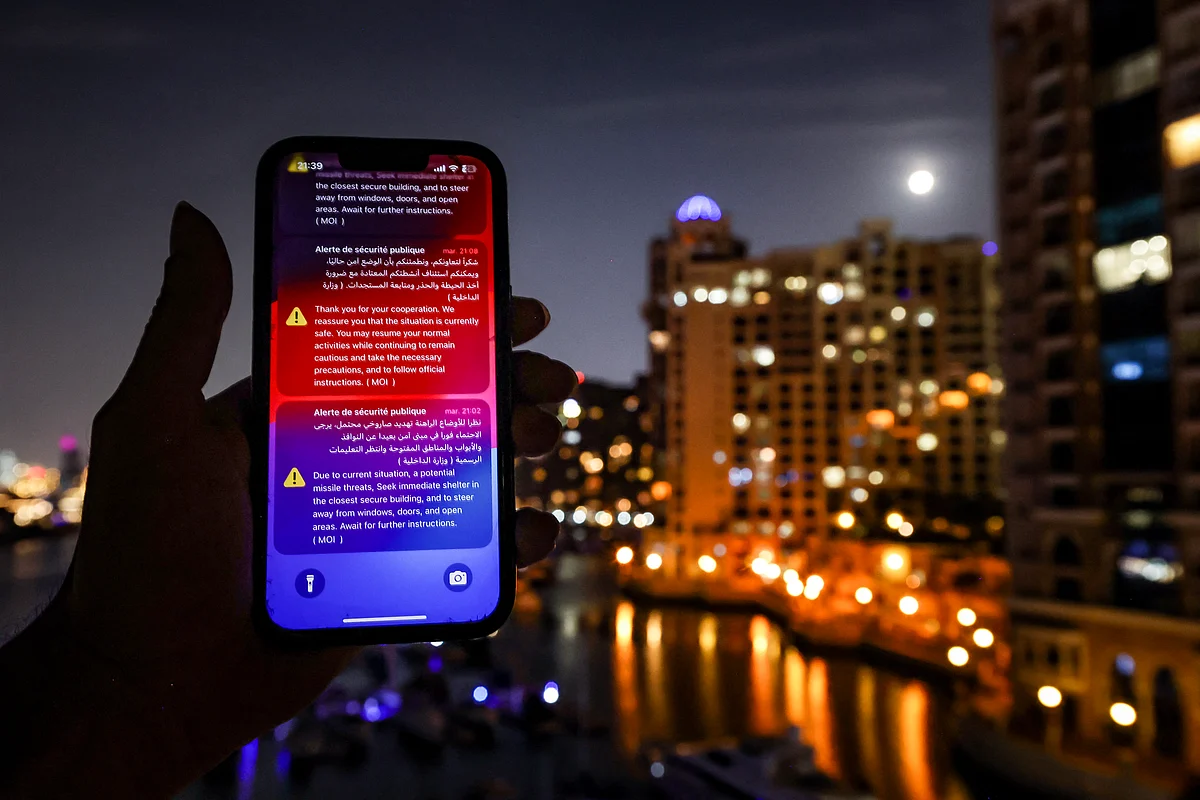
These alerts are activated in cases of “potential missile threats” arising from the ongoing Iranian aggression, instructing residents to take immediate shelter in the nearest secure building, avoid windows, doors, and open areas, and remain in place until further instructions from the authorities.
What's Your Reaction?