















UAE experts reveal which investments paid off in 2025, why they may win next year too
Investing in 2025 was less about chasing new and flashy opportunities and more about trusting traditional avenues. Across asset classes and geographies, investors gravitated towards tangible, cash-generating assets that could withstand geopolitical uncertainty, inflationary pressures and shifting interest-rate expectations. As 2026 approaches, experts say the same themes of quality, real-economy exposure and diversification are likely to remain central, even as leadership begins to rotate.'Recession-proof projects'2025 was called the year of gold, as the yellow metal emerged one of the standout performers, benefitting from its role as a hedge amid global uncertainty and strong buying by central banks. According to Waleed Dhaduk, chief executive of Gutmann Capital, the assets that “combined defensiveness, visibility of cash flows, and exposure to structural growth themes” delivered the strongest results. These included gold, Dubai commercial real estate, downstream industrials, selective emerging-market exposure and even cash, where elevated EIBOR rates quietly rewarded conservative portfolios.Stay up to date with the latest news. Follow KT on WhatsApp Channels. Waleed DhadukHis thoughts were echoed by Remco Coerman, founder and CEO of Epic Edges Group, who said 2025 “rewarded the most useful assets and not the most fashionable” ones. He said that energy infrastructure, agriculture, food production, defence-linked industries and real assets like land and logistics in emerging markets outperformed. “Investors stopped asking what can grow fastest and started asking what still works when things break,” he said. “The focus shifted to recession-proof projects.”Remco CoermanTechnologyTechnology was also one of the strongest performing assets. Sumeet Gill, Vice President of Investments at The Continental Group, said that artificial intelligence-linked companies delivered genuine earnings growth, while Asian technology and semiconductor firms benefitted from global demand. “Beyond the USA, Asian technology and semiconductor names benefited from global demand and export strength,” she said. “Defence-related businesses saw renewed interest as government spending priorities shifted.”Sumeet GillAmir Tabch, CEO of OFZA Fintech Virtual Asset Exchange, added that cryptocurrencies, despite volatility, remained among the strongest multi-year performers, alongside precious metals and select real estate markets with strong population inflows. Amir TabchDaniel Ahmed, COO and co-founder of Fasset echoed this. “Traditional assets like property, gold, and equities remain central to many portfolios, but we're seeing investors increasingly expanding that mix to include crypto,” he said. “Alongside familiar digital assets like Bitcoin and USDT, there’s growing interest in Shariah-compliant global equity indices and real assets like silver, often accessed through ETFs.” Across the board, experts agree the drivers of outperformance in 2025 were structural rather than speculative. According to Tajinder Virk, Co-Founder and CEO of Finvasia Group three forces were more influential than traditional fundamentals. “First, geopolitical and currency hedging drove demand for precious metals,” he said. “Second, equity market performance was characterised by theme concentration, with leadership focused on AI and infrastructure-linked capital expenditure rather than broad economic acceleration. Third, structural demand in the UAE — driven by population inflows, business relocation, lifestyle migration, and capital formation — supported transaction depth and resilience in property markets.”Tajinder Virk2026 predictionsLooking ahead to 2026, the tone is more cautious but still constructive. According to Sumeet, markets will place a premium on businesses and asset classes supported by durable cash flows and realistic valuations, rather than optimism alone. Geographical diversification, valuation discipline, and an awareness of policy and political risk will matter more than chasing momentum. Dhaduk expects disciplined allocations to outperform, favouring Grade A office space in Dubai, investment-grade credit and sukuk, high-quality global equities and gold. Coerman believes the focus will intensify on food security, energy infrastructure and strategic commodities — assets that do not rely on cheap money or market sentiment to perform.Others see selective rotation rather than a wholesale shift. Tabch expects emerging-market equities and digital assets to regain momentum as regulatory clarity improves and institutional participation deepens, while Gill notes that markets will increasingly reward durable cash flows and realistic valuations over optimism alone.For UAE-based investors, diversification remains the common thread. While Dubai real estate and infrastructure-linked sectors continue to offer strong fundamentals, experts stress the importance of balancing local opportunities with global exposure- from precious metals and credit to emerging marke
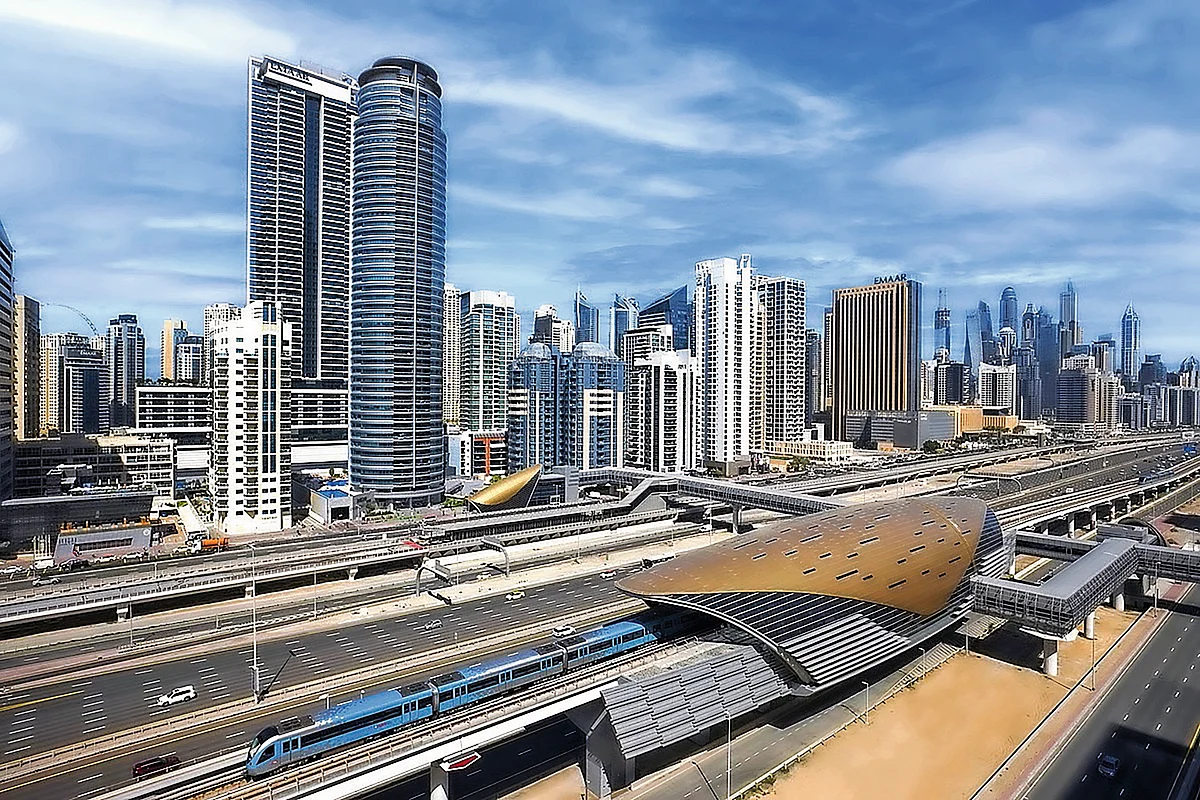
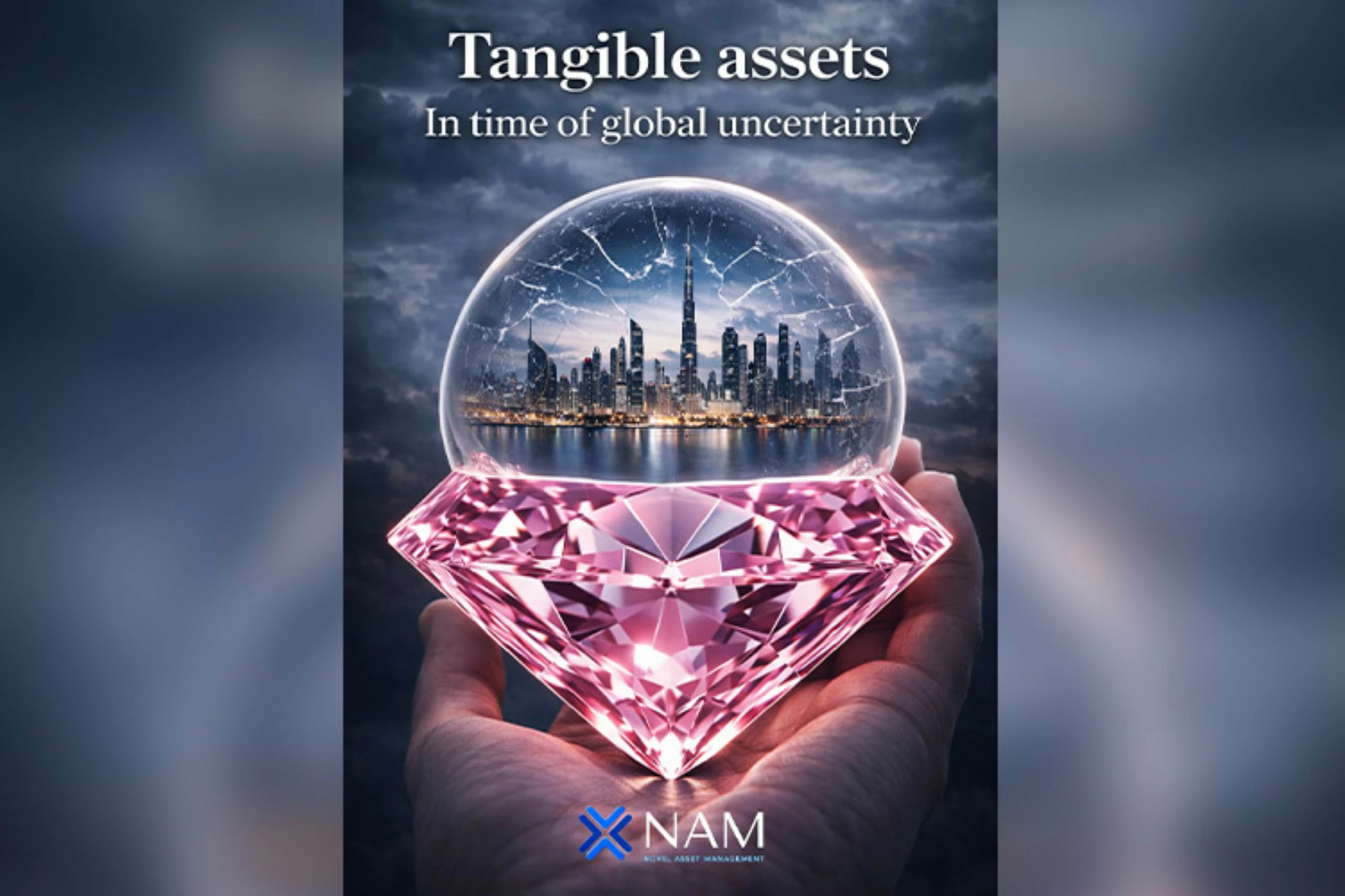
Investing in 2025 was less about chasing new and flashy opportunities and more about trusting traditional avenues. Across asset classes and geographies, investors gravitated towards tangible, cash-generating assets that could withstand geopolitical uncertainty, inflationary pressures and shifting interest-rate expectations.
As 2026 approaches, experts say the same themes of quality, real-economy exposure and diversification are likely to remain central, even as leadership begins to rotate.
'Recession-proof projects'
2025 was called the year of gold, as the yellow metal emerged one of the standout performers, benefitting from its role as a hedge amid global uncertainty and strong buying by central banks. According to Waleed Dhaduk, chief executive of Gutmann Capital, the assets that “combined defensiveness, visibility of cash flows, and exposure to structural growth themes” delivered the strongest results. These included gold, Dubai commercial real estate, downstream industrials, selective emerging-market exposure and even cash, where elevated EIBOR rates quietly rewarded conservative portfolios.
Stay up to date with the latest news. Follow KT on WhatsApp Channels. Waleed Dhaduk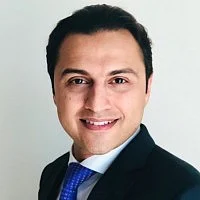
His thoughts were echoed by Remco Coerman, founder and CEO of Epic Edges Group, who said 2025 “rewarded the most useful assets and not the most fashionable” ones. He said that energy infrastructure, agriculture, food production, defence-linked industries and real assets like land and logistics in emerging markets outperformed. “Investors stopped asking what can grow fastest and started asking what still works when things break,” he said. “The focus shifted to recession-proof projects.” Remco Coerman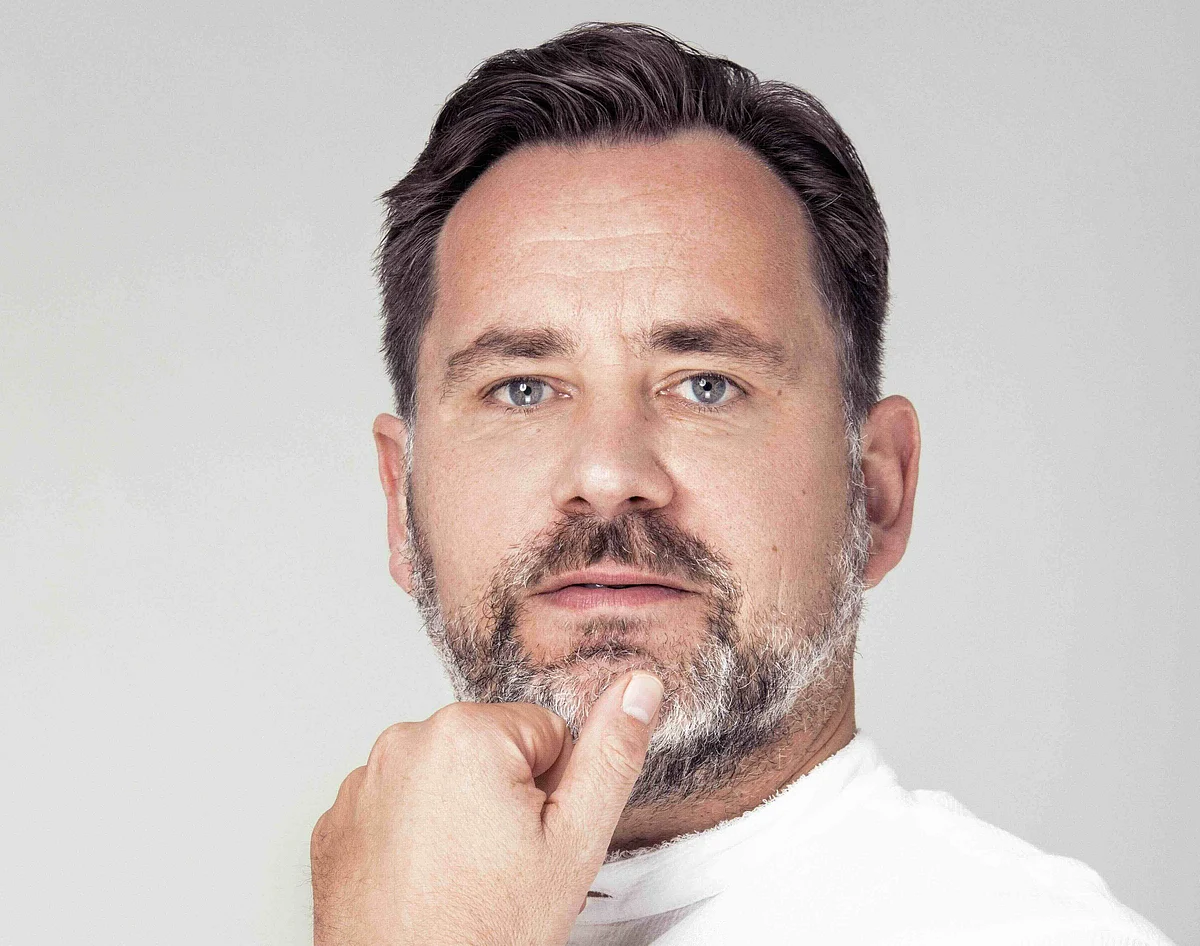
Technology
Technology was also one of the strongest performing assets. Sumeet Gill, Vice President of Investments at The Continental Group, said that artificial intelligence-linked companies delivered genuine earnings growth, while Asian technology and semiconductor firms benefitted from global demand. “Beyond the USA, Asian technology and semiconductor names benefited from global demand and export strength,” she said. “Defence-related businesses saw renewed interest as government spending priorities shifted.” Sumeet Gill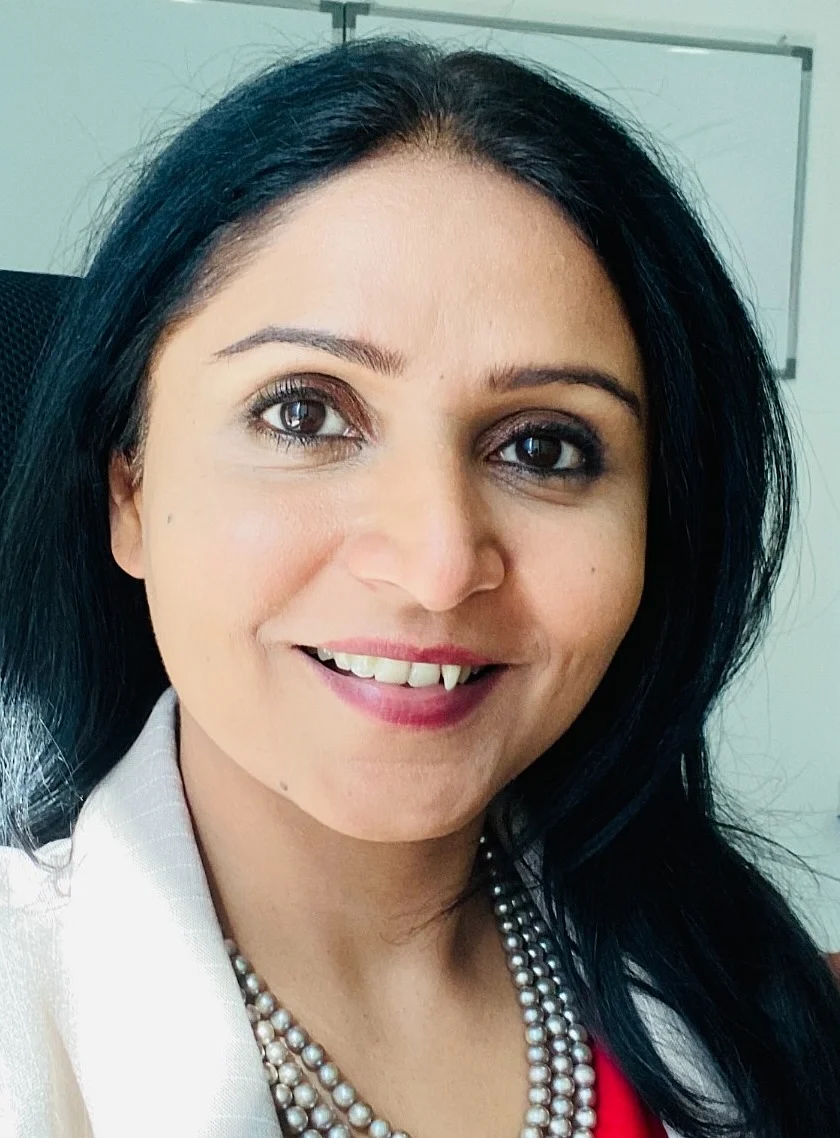
Amir Tabch, CEO of OFZA Fintech Virtual Asset Exchange, added that cryptocurrencies, despite volatility, remained among the strongest multi-year performers, alongside precious metals and select real estate markets with strong population inflows. Amir Tabch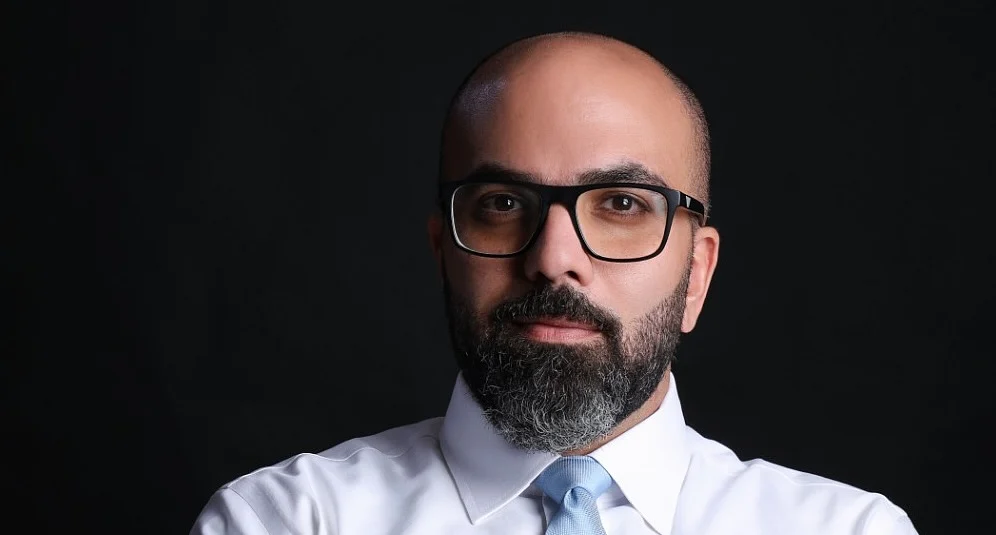
Daniel Ahmed, COO and co-founder of Fasset echoed this. “Traditional assets like property, gold, and equities remain central to many portfolios, but we're seeing investors increasingly expanding that mix to include crypto,” he said. “Alongside familiar digital assets like Bitcoin and USDT, there’s growing interest in Shariah-compliant global equity indices and real assets like silver, often accessed through ETFs.”
Across the board, experts agree the drivers of outperformance in 2025 were structural rather than speculative. According to Tajinder Virk, Co-Founder and CEO of Finvasia Group three forces were more influential than traditional fundamentals. “First, geopolitical and currency hedging drove demand for precious metals,” he said. “Second, equity market performance was characterised by theme concentration, with leadership focused on AI and infrastructure-linked capital expenditure rather than broad economic acceleration. Third, structural demand in the UAE — driven by population inflows, business relocation, lifestyle migration, and capital formation — supported transaction depth and resilience in property markets.” Tajinder Virk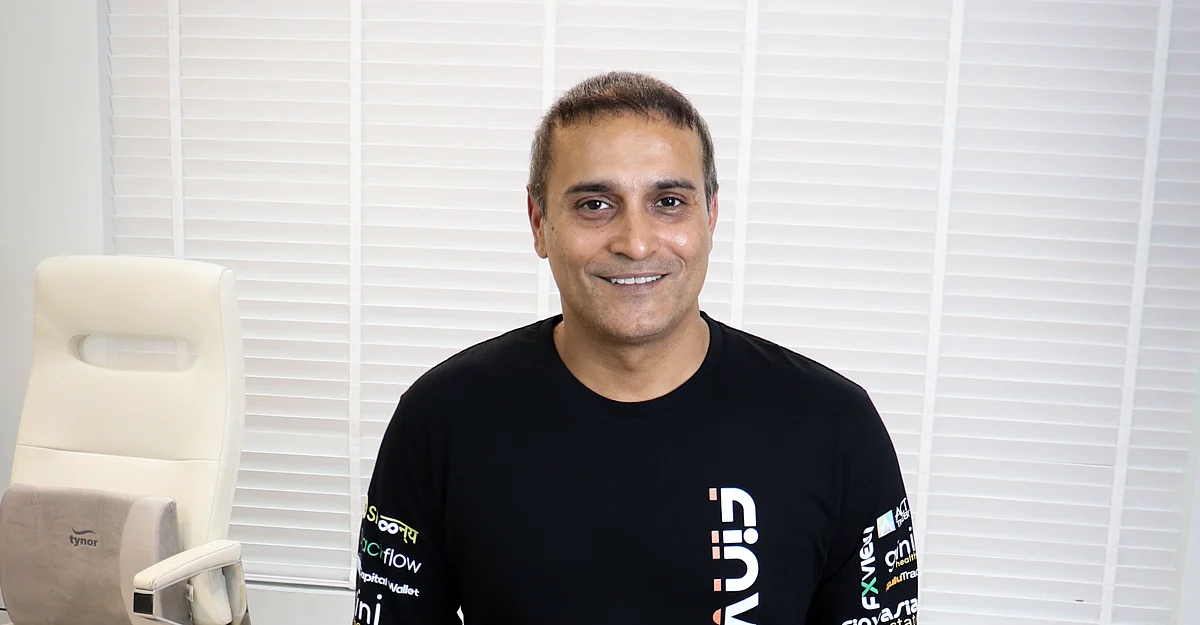
2026 predictions
Looking ahead to 2026, the tone is more cautious but still constructive. According to Sumeet, markets will place a premium on businesses and asset classes supported by durable cash flows and realistic valuations, rather than optimism alone. Geographical diversification, valuation discipline, and an awareness of policy and political risk will matter more than chasing momentum.
Dhaduk expects disciplined allocations to outperform, favouring Grade A office space in Dubai, investment-grade credit and sukuk, high-quality global equities and gold. Coerman believes the focus will intensify on food security, energy infrastructure and strategic commodities — assets that do not rely on cheap money or market sentiment to perform.
Others see selective rotation rather than a wholesale shift. Tabch expects emerging-market equities and digital assets to regain momentum as regulatory clarity improves and institutional participation deepens, while Gill notes that markets will increasingly reward durable cash flows and realistic valuations over optimism alone.
For UAE-based investors, diversification remains the common thread. While Dubai real estate and infrastructure-linked sectors continue to offer strong fundamentals, experts stress the importance of balancing local opportunities with global exposure- from precious metals and credit to emerging markets and digital assets. Virk added that those considering digital-asset exposure should focus on regulated, infrastructure-led themes like tokenisation, compliant platforms, and settlement initiatives aligned with UAE regulation.
The lesson of 2025, they say, is clear: disciplined allocation and risk management matter more than chasing last year’s winners. In 2026, the assets that stay hot are likely to be those that matter most when conditions become more challenging.
What's Your Reaction?