
































UAE fuel rates: Will petrol prices drop in January 2026?
Petrol prices in the UAE for January 2026 will be announced at the end of this month and could see a marginal reduction as global prices remained subdued in December.The average Brent closing price was $61.51 per barrel in December 2025, compared to $63.7 per barrel last month.The UAE aligned its retail petrol prices with global oil rates in 2015, removing subsidies in line with the economic diversification policies. The petrol and diesel prices for the upcoming period are adjusted based on the fluctuation of global oil prices.Stay up to date with the latest news. Follow KT on WhatsApp Channels.Globally, Brent and WTI closed at $60.64 and $56.74 per barrel over the weekend, respectively.In the UAE, petrol prices for December 2025 were revised upward, with Super 98, Special 95, and E-Plus priced at Dh2.70, Dh2.58, and Dh2.51 per litre, respectively.Prices for the commodity have rallied this week on concerns of supply risks from rising geopolitical tensions in Venezuela and the Ukraine-Russia conflict.Ole Hansen, head of commodity strategy at Saxo Bank, said global oil markets enter 2026 with a superficially comfortable supply picture: rising inventories, cooling demand growth, and a relatively flat futures curve, but bigger structural risks persist.The International Energy Agency’s (IEA) revised outlook that demand will keep rising beyond 2040, coupled with high depletion of existing fields — 6 to 8 million barrels a day per year — implies the industry must replace very large volumes of supply continually.“Short-term indicators do not reflect a massive 2026 glut: the curve only flips into contango late next year, and storage economics are muted, suggesting any early-year softness is temporary rather than a repeat of 2020–21. Spare Opec+ capacity is limited, non-Opec+ growth (notably US shale, Brazil, and Guyana) may flatten, and upside from Iran, Russia, or Venezuela is constrained, so failing to incentivize long-cycle investment now risks a supply crunch in the early 2030s,” said Hansen.For investors, he said, this structural squeeze argues for positioning that benefits from higher, sustained crude prices.“The key choice for markets is whether prices will gradually firm to support necessary investment, or whether deferred investment will force a sharper price spike later; earlier, steadier price signals would minimise economic disruption,” he added.UAE: Why petrol prices could drop further in DecemberUAE petrol, diesel prices for December 2025 announcedUAE announces fuel prices: How much will a full tank cost in December 2025?
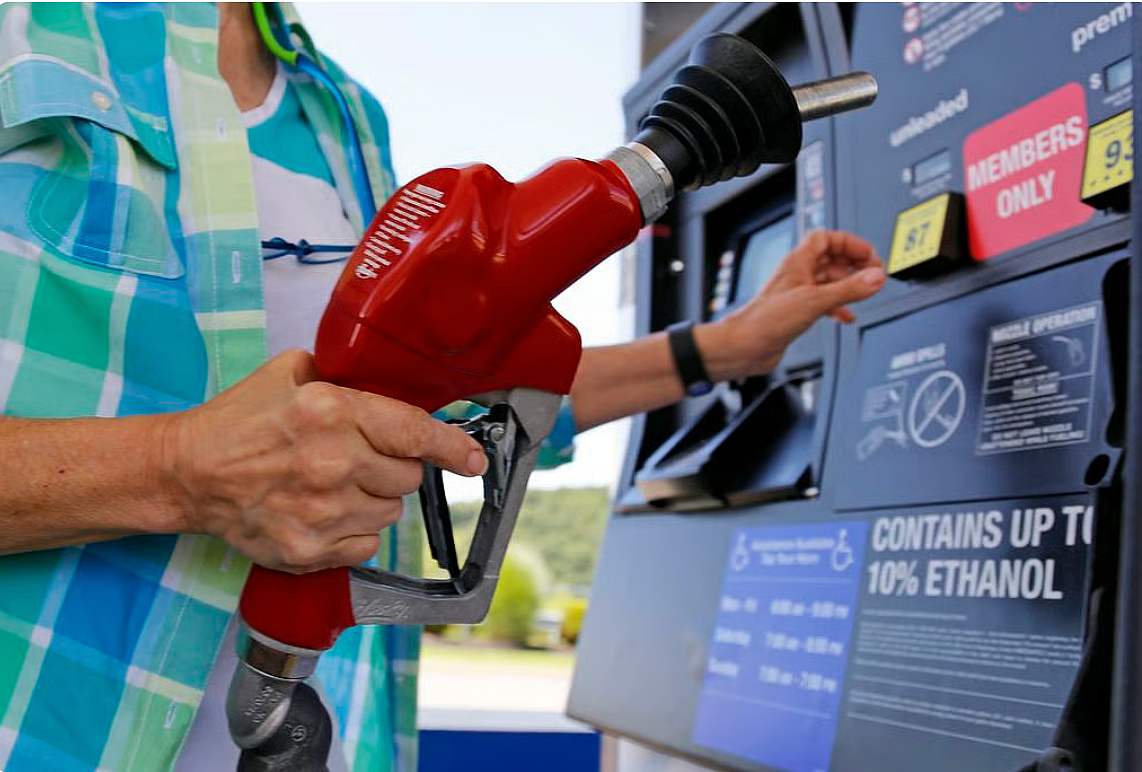
Petrol prices in the UAE for January 2026 will be announced at the end of this month and could see a marginal reduction as global prices remained subdued in December.
The average Brent closing price was $61.51 per barrel in December 2025, compared to $63.7 per barrel last month.
The UAE aligned its retail petrol prices with global oil rates in 2015, removing subsidies in line with the economic diversification policies. The petrol and diesel prices for the upcoming period are adjusted based on the fluctuation of global oil prices.
Stay up to date with the latest news. Follow KT on WhatsApp Channels.
Globally, Brent and WTI closed at $60.64 and $56.74 per barrel over the weekend, respectively.
In the UAE, petrol prices for December 2025 were revised upward, with Super 98, Special 95, and E-Plus priced at Dh2.70, Dh2.58, and Dh2.51 per litre, respectively.
Prices for the commodity have rallied this week on concerns of supply risks from rising geopolitical tensions in Venezuela and the Ukraine-Russia conflict.
Ole Hansen, head of commodity strategy at Saxo Bank, said global oil markets enter 2026 with a superficially comfortable supply picture: rising inventories, cooling demand growth, and a relatively flat futures curve, but bigger structural risks persist.
The International Energy Agency’s (IEA) revised outlook that demand will keep rising beyond 2040, coupled with high depletion of existing fields — 6 to 8 million barrels a day per year — implies the industry must replace very large volumes of supply continually.
“Short-term indicators do not reflect a massive 2026 glut: the curve only flips into contango late next year, and storage economics are muted, suggesting any early-year softness is temporary rather than a repeat of 2020–21. Spare Opec+ capacity is limited, non-Opec+ growth (notably US shale, Brazil, and Guyana) may flatten, and upside from Iran, Russia, or Venezuela is constrained, so failing to incentivize long-cycle investment now risks a supply crunch in the early 2030s,” said Hansen.
For investors, he said, this structural squeeze argues for positioning that benefits from higher, sustained crude prices.
“The key choice for markets is whether prices will gradually firm to support necessary investment, or whether deferred investment will force a sharper price spike later; earlier, steadier price signals would minimise economic disruption,” he added.
What's Your Reaction?