






















UAE passport ranks 5th strongest globally in Henley index
UAE passport ranks 5th strongest globally in Henley index
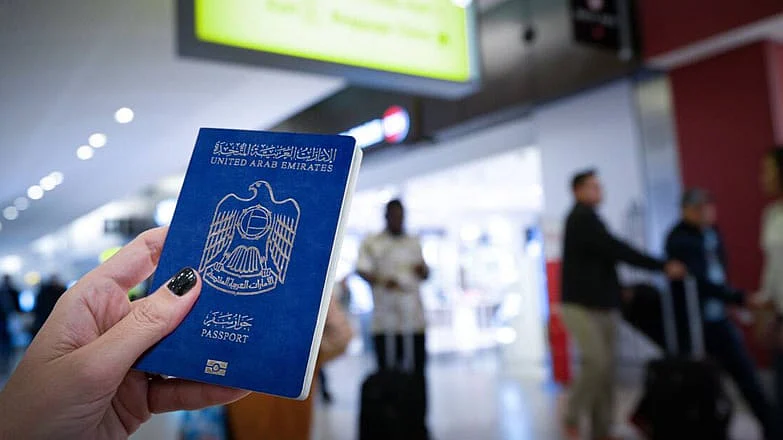
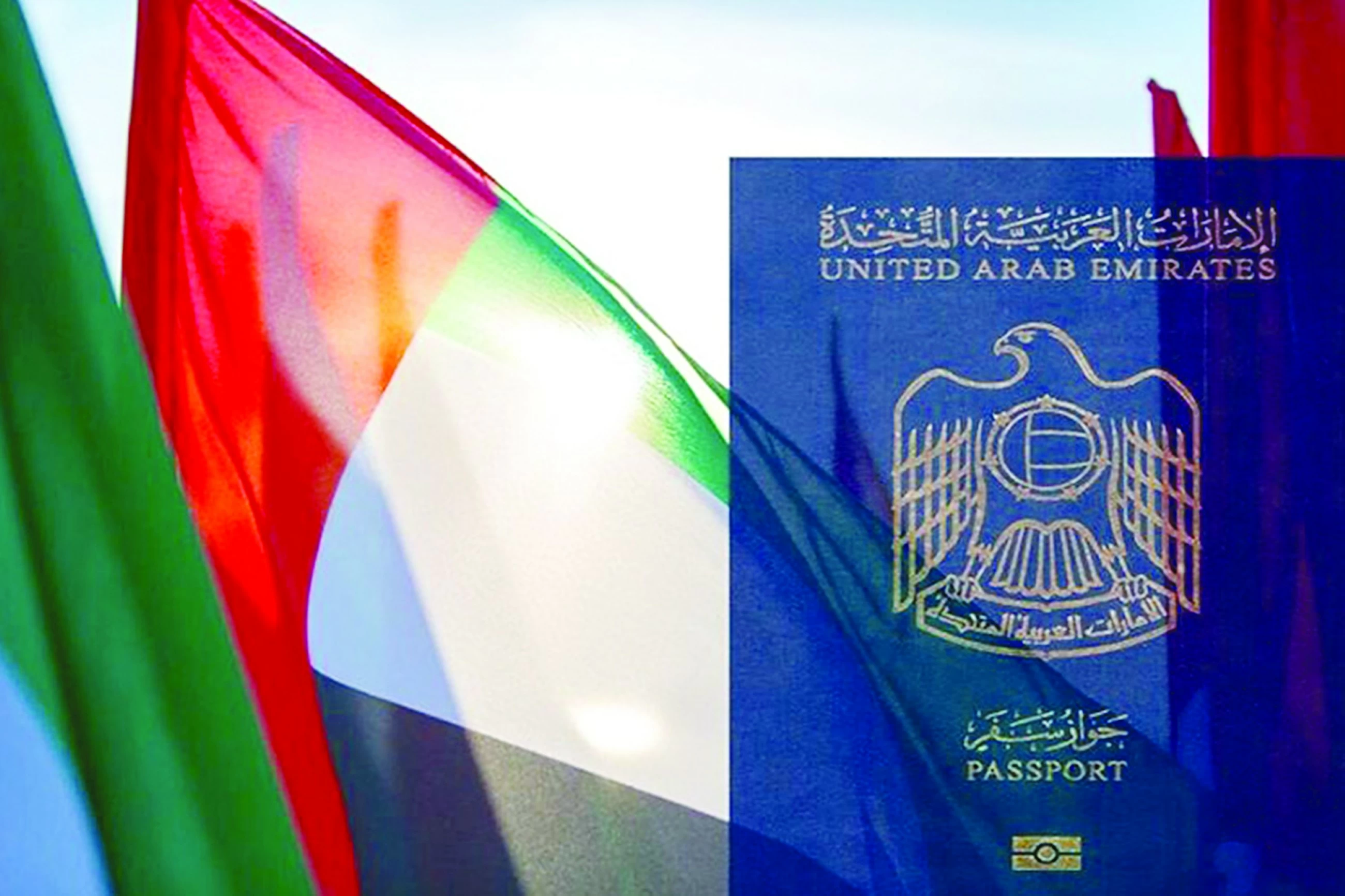
The UAE’s passport is the world’s fifth strongest passport in 2026 in the latest Henley & Partners index, rising five positions over last year.
In this index, the UAE passport is stronger than New Zealand, Australia, the United Kingdom, Canada, Iceland, and the United States, among others.
In the fifth position, the UAE is placed along with Hungary, Portugal, Slovakia, and Slovenia, giving access to visa-free and visa-on-arrival access to 184 countries to UAE passport holders. Singapore topped the list as its passport gives access to 192 countries, followed by Japan and South Korea, which were placed second, while Denmark, Luxembourg, Spain, and Sweden came third.
Stay up to date with the latest news. Follow KT on WhatsApp Channels.
Top visa-free destinations for UAE passport holders:
Austria
Belgium
UK
Thailand
Switzerland
Singapore
South Korea
Spain
Sweden
Norway
New Zealand
Maldives
Germany
Source: Henley & Partners
The UAE stands out as the strongest performer on the Henley Passport Index over the past 20 years, adding 149 visa-free destinations since 2006 and climbing 57 places to fifth on the rankings with access to 184 destinations visa-free, driven by sustained diplomatic engagement and visa liberalisation.
UAE passport holders require a visa for 42 destinations.
UAE passport journey
Year Ranking
2016 38
2017 38
2018 21
2019 15
2020 18
2021 16
2022 15
2023 15
2024 11
2025 10
2026 5
Source: Henley & Partners
“What we are seeing is a fundamental shift in how globally mobile individuals think about access and security,” said Dr Juerg Steffen, CEO at Henley & Partners.
“In an era of geopolitical uncertainty and increasingly fragmented travel regimes, residence and citizenship planning has evolved into an essential strategy for building resilience, optionality, and mobility certainty across multiple jurisdictions,” added Steffen.
“Passport power ultimately reflects political stability, diplomatic credibility, and the ability to shape international rules,” said Misha Glenny, Rector of the Institute for Human Sciences in Vienna.
“As transatlantic relations strain and domestic politics grow more volatile, the erosion of mobility rights for countries like the US and UK is less a technical anomaly than a signal of deeper geopolitical recalibration,” said Glenny.
Prof. Peter J. Spiro, professor at Temple University Law School, said Americans are continuing their scramble for alternative residence and citizenship amid ongoing political turbulence, with interest now at an all-time high.
“What was once seen as an extreme contingency has become a mainstream form of risk management — a durable Plan B that offers security, mobility, and peace of mind in an increasingly unpredictable world,” added Spiro.
What's Your Reaction?