






















UAE residents face cold weather snap but it will be short-lived: NCM expert
UAE residents will get a reprieve from the winter chill, as it is expected to be short-lived and sporadic, according to an expert at the country's National Centre of Meteorology (NCM).The country has been experiencing a sharp dip in temperatures, with some areas recording their coldest winter mornings so far this season. Early Thursday, the mercury fell to a chilling 0.2ºC in Jebel Jais.Despite the brief chill, residents are being advised to take standard precautions, particularly early in the morning and after sunset, when temperatures can drop sharply in exposed areas.Stay up to date with the latest news. Follow KT on WhatsApp Channels.Speaking to Khaleej Times, Mohammed Al Abri, Director of the Meteorology Department at NCM, said the cold snap would be brief. “This cold spell will only last a couple of days—it will come and go rather than being continuous. Overall, the weather is generally cold and pleasant, but during this period, temperatures will fluctuate,” he explained.Shamal windsAl Abri said the drop in temperatures is being influenced by strong north-westerly winds, locally known as shamal. “The high pressure over the southern Arabian Gulf creates a low-pressure gradient in the east, resulting in fresh to strong north-westerly winds that bring colder temperatures.”“While Jebel Jais, the UAE’s highest peak, registered 0.2ºC at 5:45am, other inland areas also felt the chill. Raknah, located in Al Ain, recorded 4ºC—unusually cold for a non-mountainous region.”Notably, the unique, low-lying, basin-like topography of areas like Raknah acts as a natural refrigerator. During winter nights and early mornings, cold, dense air flows down from higher elevations and gets trapped in these valleys, keeping temperatures lower than surrounding areas.The expert explains that coastal cities, on the other hand, remain relatively milder due to humidity. Thursday morning temperatures in Al Buteen, Dubai Corniche, Dubai Airport, Sharjah, and Ajman ranged between 17ºC and 17.3ºC, making the chill feel less intense.Passing weather systemsAl Abri added, “Winds are expected to gradually ease starting Thursday, though on Wednesday they were strong enough to add a noticeable bite to the morning air. The characteristics of UAE winters can vary year to year, influenced by global climate patterns such as El Niño and La Niña.”For the unversed, El Niño and La Niña are opposite weather patterns in the Pacific Ocean that affect climate worldwide. El Niño happens when the central and eastern Pacific waters become warmer than usual, bringing more rain to the Americas but causing droughts in Asia and Australia. La Niña is the opposite, when those waters are cooler than normal, often causing dry conditions in the Americas and heavy rains in Asia and Australia.“La Niña periods usually bring colder and drier conditions, while El Niño tends to make winters hotter and rainier,” added Al Abri.UAE temperatures to drop by up to 8°C as coldest winter stretch begins soonUAE records lowest temperature of 0.2°C this winter in coldest dip yet1.6°C recorded in UAE: Temperatures to fall slightly, but it will feel colder
UAE residents will get a reprieve from the winter chill, as it is expected to be short-lived and sporadic, according to an expert at the country's National Centre of Meteorology (NCM).
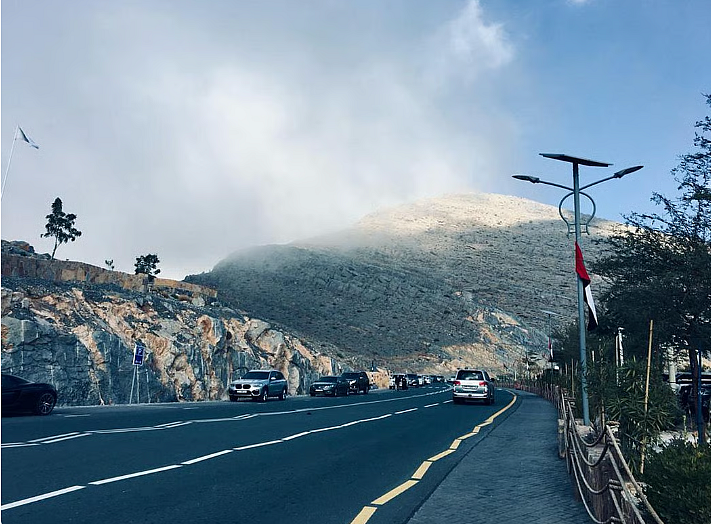
The country has been experiencing a sharp dip in temperatures, with some areas recording their coldest winter mornings so far this season. Early Thursday, the mercury fell to a chilling 0.2ºC in Jebel Jais.
Despite the brief chill, residents are being advised to take standard precautions, particularly early in the morning and after sunset, when temperatures can drop sharply in exposed areas.
Stay up to date with the latest news. Follow KT on WhatsApp Channels.
Speaking to Khaleej Times, Mohammed Al Abri, Director of the Meteorology Department at NCM, said the cold snap would be brief. “This cold spell will only last a couple of days—it will come and go rather than being continuous. Overall, the weather is generally cold and pleasant, but during this period, temperatures will fluctuate,” he explained.
Shamal winds
Al Abri said the drop in temperatures is being influenced by strong north-westerly winds, locally known as shamal. “The high pressure over the southern Arabian Gulf creates a low-pressure gradient in the east, resulting in fresh to strong north-westerly winds that bring colder temperatures.”
“While Jebel Jais, the UAE’s highest peak, registered 0.2ºC at 5:45am, other inland areas also felt the chill. Raknah, located in Al Ain, recorded 4ºC—unusually cold for a non-mountainous region.”
Notably, the unique, low-lying, basin-like topography of areas like Raknah acts as a natural refrigerator. During winter nights and early mornings, cold, dense air flows down from higher elevations and gets trapped in these valleys, keeping temperatures lower than surrounding areas.
The expert explains that coastal cities, on the other hand, remain relatively milder due to humidity. Thursday morning temperatures in Al Buteen, Dubai Corniche, Dubai Airport, Sharjah, and Ajman ranged between 17ºC and 17.3ºC, making the chill feel less intense.
Passing weather systems
Al Abri added, “Winds are expected to gradually ease starting Thursday, though on Wednesday they were strong enough to add a noticeable bite to the morning air. The characteristics of UAE winters can vary year to year, influenced by global climate patterns such as El Niño and La Niña.”
For the unversed, El Niño and La Niña are opposite weather patterns in the Pacific Ocean that affect climate worldwide. El Niño happens when the central and eastern Pacific waters become warmer than usual, bringing more rain to the Americas but causing droughts in Asia and Australia. La Niña is the opposite, when those waters are cooler than normal, often causing dry conditions in the Americas and heavy rains in Asia and Australia.
“La Niña periods usually bring colder and drier conditions, while El Niño tends to make winters hotter and rainier,” added Al Abri.
What's Your Reaction?