
























UAE sees rise in pet relocation demand, private charter costs amid Iran war
When the US-Israel-Iran war broke out on February 28, Dubai resident Rahul Sethuram’s wife was already on a trip to the US. Instead of asking her to return to the UAE amid flight cancellations and uncertainties, Rahul decided to fly out himself to reunite with his wife.The catch? He needed to take his two-year-old pet dog, Leo, with him. “I was stuck in Dubai for a couple of weeks, before I decided to travel to Germany, where my company headquarter is. I asked my wife to fly from the US to Germany, so that we could be together. But the issue was finding a way to fly with my dog,” the software engineer told Khaleej Times over the phone from Berlin.Stay up to date with the latest news. Follow KT on WhatsApp channels.Sethuram looked for commercial flights initially, but had no luck as they refused to take pet cargo. He even tried for a seat on one of the evacuation flights from the US as he is an American citizen, but they weren't allowing pets on board, either.“Leaving Leo behind wasn’t even an option. I was either going to stay with him, or find a way to take him with me. So, the only option I was left with was booking a charter flight,” he said. Sethuram managed to fly out with Leo last week on a private charter from DWC to Munich.Rahul Sethuram with Leo Pet relocation options: Fly private or commercial?Sethuram is among the many worried pet parents who have had to make some desperate calls in order to travel with their pets out of the UAE at this time. While some have managed to find commercial flights that are taking pets as well, others, like Sethuram, had to choose the private route, even if that meant paying a premium.“Many pet owners are worried about how to leave the UAE with their animals, especially when travelling with large dogs. Unlike normal passenger travel, relocating with pets involves documentation, veterinary procedures and available airline capacity, which makes the process much more complex,” said Jacqueline Luebke, co-founder of Jetcircle, a luxury pet travel service.The cost of flying private has also gone up at this time. “Aircraft charter prices have increased significantly and it can be difficult to find aircraft operators that allow pets in the cabin while still offering reasonable pricing. It is also currently difficult to secure aircraft that are able to operate in the Middle East, as many common European operators are not permitted to enter the region due to insurance restrictions. This reduces the number of available aircraft in the market and is driving prices significantly higher,” Luebke said.Under normal circumstances, prices for a shared private jet seat between the UAE and Europe start at around €7,000 (Dh29,785) per passenger including one pet. “Due to the current demand and limited aircraft availability, we are now seeing offers in the market as high as €20,000 (Dh85,102) per seat,” Luebke said.Sethuram shelled out about €12,500 (Dh53,226) for his trip with Leo to Munich via Jetcircle. “I think it was 30-40% more than what I’d have paid normally, but given that this ended up being the only reliable option for me, I didn’t mind the cost,” he said.“The main benefit is that pets stay with their owners inside the cabin instead of being transported in cargo. Dogs remain on a leash next to their owner and smaller animals such as cats or rabbits usually stay in their crates. The environment is much calmer compared to commercial cargo transport and pets are able to stay close to their owners throughout the journey. This makes the journey significantly less stressful for animals. Passengers also benefit from private terminals, minimal waiting times and a smoother overall travel experience,” Luebke explained.Flying commercial with petsChristy McHale, a property consultant based in Dubai, managed to travel back to London with her two dogs, a Maltese and a Toy Poodle. But her journey was far from simple. She first took an Emirates flight from Dubai to Madrid, hired a car to Calais in France and then took the Eurotunnel across to the UK.“We had bookings with two other airlines, but unfortunately, the space for our dogs wasn’t approved. In contrast, booking with Emirates was much more straightforward. They have a clear process and were extremely helpful throughout,” she said.Although her dogs had to fly in cargo, McHale said she didn’t have to worry about them at all. “During our journey, three flights were cancelled while we were at the airport, but they handled everything seamlessly, including transferring our dogs each time without requiring us to re-check them. By the time we arrived, our dogs had been in Emirates’ care for over 30 hours, and they came out in excellent condition — happy and healthy,” she said.Christy McHale's pets Rooney and Peanut Both Emirates and Etihad are continuing to transport pets, but the method of travel depends on the airline and the size of the pet, according to Shannon Nulty, relocation manager at The Petshop.“Emirates generally transports pets as ca
When the US-Israel-Iran war broke out on February 28, Dubai resident Rahul Sethuram’s wife was already on a trip to the US. Instead of asking her to return to the UAE amid flight cancellations and uncertainties, Rahul decided to fly out himself to reunite with his wife.
The catch? He needed to take his two-year-old pet dog, Leo, with him.
“I was stuck in Dubai for a couple of weeks, before I decided to travel to Germany, where my company headquarter is. I asked my wife to fly from the US to Germany, so that we could be together. But the issue was finding a way to fly with my dog,” the software engineer told Khaleej Times over the phone from Berlin.
Stay up to date with the latest news. Follow KT on WhatsApp channels.
Sethuram looked for commercial flights initially, but had no luck as they refused to take pet cargo. He even tried for a seat on one of the evacuation flights from the US as he is an American citizen, but they weren't allowing pets on board, either.
“Leaving Leo behind wasn’t even an option. I was either going to stay with him, or find a way to take him with me. So, the only option I was left with was booking a charter flight,” he said. Sethuram managed to fly out with Leo last week on a private charter from DWC to Munich. Rahul Sethuram with Leo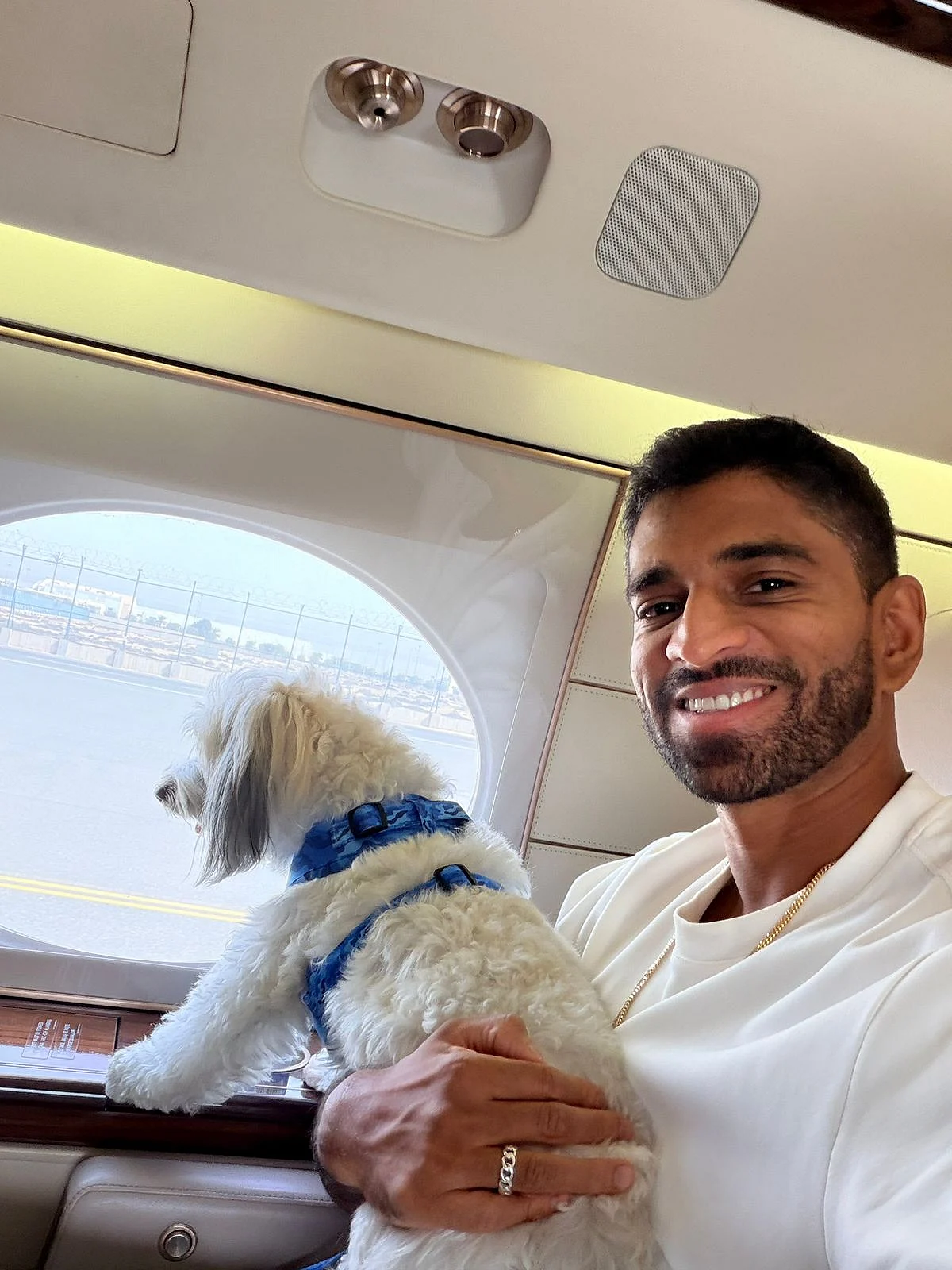
Pet relocation options: Fly private or commercial?
Sethuram is among the many worried pet parents who have had to make some desperate calls in order to travel with their pets out of the UAE at this time. While some have managed to find commercial flights that are taking pets as well, others, like Sethuram, had to choose the private route, even if that meant paying a premium.
“Many pet owners are worried about how to leave the UAE with their animals, especially when travelling with large dogs. Unlike normal passenger travel, relocating with pets involves documentation, veterinary procedures and available airline capacity, which makes the process much more complex,” said Jacqueline Luebke, co-founder of Jetcircle, a luxury pet travel service.
The cost of flying private has also gone up at this time. “Aircraft charter prices have increased significantly and it can be difficult to find aircraft operators that allow pets in the cabin while still offering reasonable pricing. It is also currently difficult to secure aircraft that are able to operate in the Middle East, as many common European operators are not permitted to enter the region due to insurance restrictions. This reduces the number of available aircraft in the market and is driving prices significantly higher,” Luebke said.
Under normal circumstances, prices for a shared private jet seat between the UAE and Europe start at around €7,000 (Dh29,785) per passenger including one pet. “Due to the current demand and limited aircraft availability, we are now seeing offers in the market as high as €20,000 (Dh85,102) per seat,” Luebke said.
Sethuram shelled out about €12,500 (Dh53,226) for his trip with Leo to Munich via Jetcircle. “I think it was 30-40% more than what I’d have paid normally, but given that this ended up being the only reliable option for me, I didn’t mind the cost,” he said.
“The main benefit is that pets stay with their owners inside the cabin instead of being transported in cargo. Dogs remain on a leash next to their owner and smaller animals such as cats or rabbits usually stay in their crates. The environment is much calmer compared to commercial cargo transport and pets are able to stay close to their owners throughout the journey. This makes the journey significantly less stressful for animals. Passengers also benefit from private terminals, minimal waiting times and a smoother overall travel experience,” Luebke explained.
Flying commercial with pets
Christy McHale, a property consultant based in Dubai, managed to travel back to London with her two dogs, a Maltese and a Toy Poodle. But her journey was far from simple. She first took an Emirates flight from Dubai to Madrid, hired a car to Calais in France and then took the Eurotunnel across to the UK.
“We had bookings with two other airlines, but unfortunately, the space for our dogs wasn’t approved. In contrast, booking with Emirates was much more straightforward. They have a clear process and were extremely helpful throughout,” she said.
Although her dogs had to fly in cargo, McHale said she didn’t have to worry about them at all. “During our journey, three flights were cancelled while we were at the airport, but they handled everything seamlessly, including transferring our dogs each time without requiring us to re-check them. By the time we arrived, our dogs had been in Emirates’ care for over 30 hours, and they came out in excellent condition — happy and healthy,” she said. Christy McHale's pets Rooney and Peanut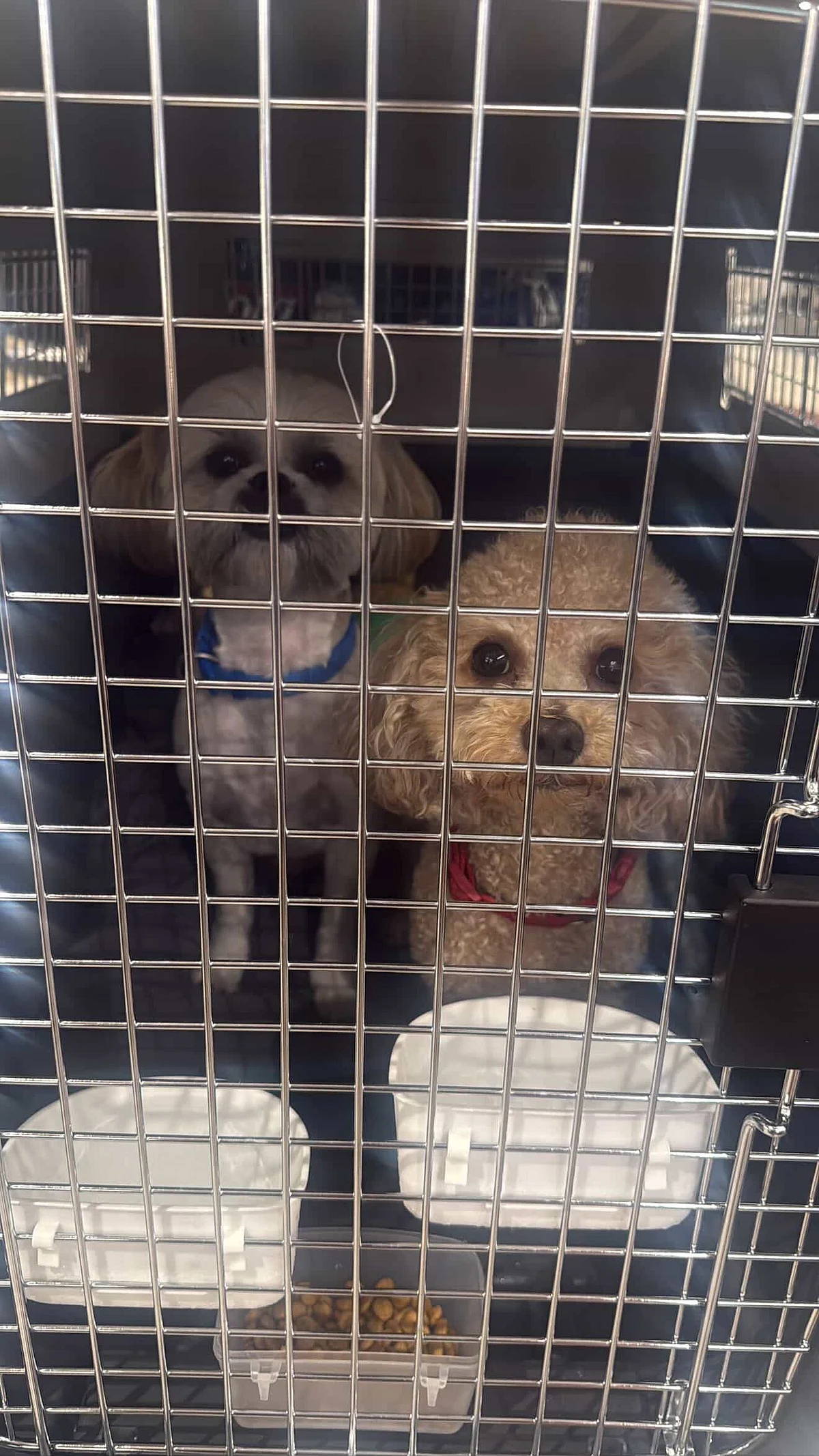
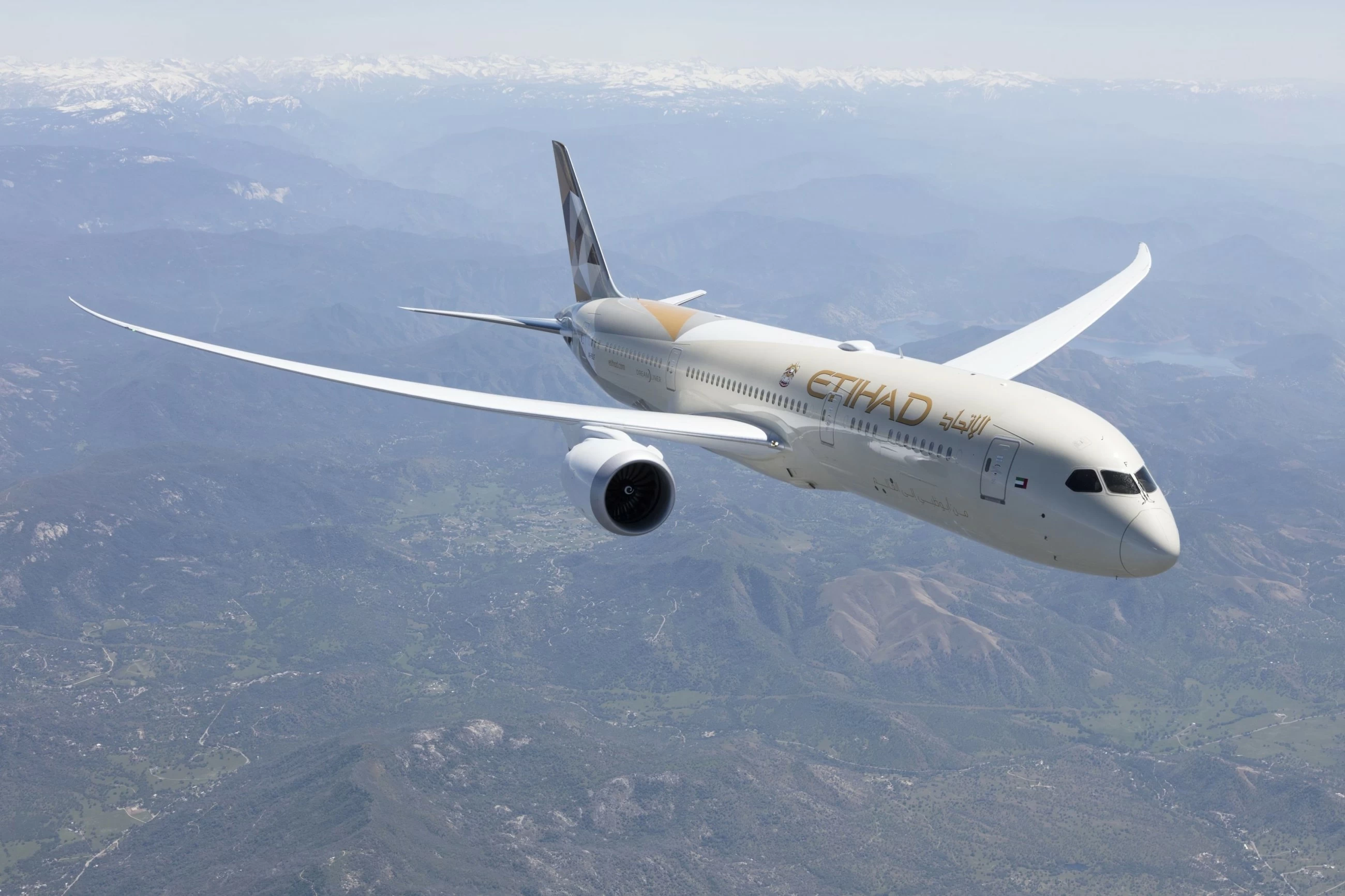
Both Emirates and Etihad are continuing to transport pets, but the method of travel depends on the airline and the size of the pet, according to Shannon Nulty, relocation manager at The Petshop.
“Emirates generally transports pets as cargo, which means they travel in a temperature-controlled and pressurised section of the aircraft hold designed for animals. Etihad allows cats and small dogs in the cabin on some routes if the combined weight of the pet and carrier is under 8kg and the pet fits comfortably in an airline-approved carrier,” Nulty said.
“The main challenge at the moment is flight availability and schedule changes, which means relocation teams sometimes need to plan alternative routes or work with slightly longer timelines. However, airlines, vets and relocation specialists in the UAE are quite experienced with pet transport, and animals are still moving safely every day,” she added.
Emirates SkyCargo has now established a dedicated team to handle all pet-related bookings starting in the UAE. "We will support you throughout the entire process, and every booking will be treated with importance and sensitivity," the airline said on Tuesday.
Pet relocation agencies in high demand
Mariam, a Dubai resident since 2023, and a proud parent of a dog and two cats, is waiting and watching, preparing for eventualities but hasn’t booked tickets yet.
“We’ve got the vaccines for the two cats and our dog all up to date. Next step is getting the health certificate and titer test (a blood test that measures antibody levels to determine if a dog has protective immunity against diseases like distemper, parvovirus, and hepatitis). I’ll have to go to the Cargo Village Veterinary Inspection Center at Dubai airport to get the health certificate stamped. All this, while working full time, is a lot,” she said.
This is where pet relocation agencies come in, providing end-to-end services so that pet parents do not have to do the running around. Since the war began, most of them have been inundated with requests from anxious residents who want to travel with their fur babies.
“We have seen an unprecedented surge in enquiries. We are currently receiving around 15 calls per hour and between 175 to 200 emails per day, volumes we have never experienced before,” said Karyna from Furry Travel, a Dubai-based boutique pet relocation service.
“Some of the clients reaching out to us are rational, prepared individuals who want to be ready to leave at short notice if the situation escalates. They are asking the right questions and planning ahead. But there are others who are panicking and looking to leave immediately, often with very limited knowledge of the process involved,” she said. Pet transportation by Furry Travel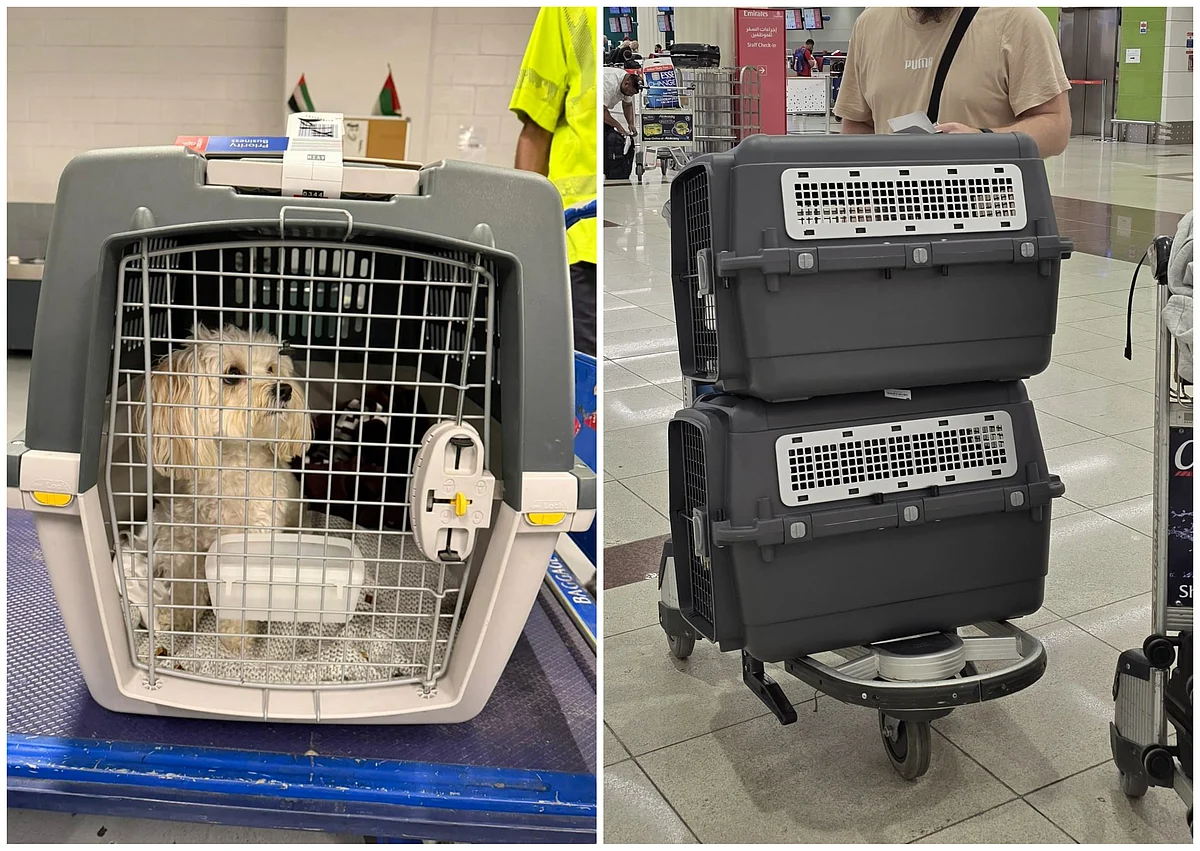
Documents required
Karyna explained that the standard documentation set includes:
A valid pet passport with microchip record,
Up-to-date vaccination records with rabies universally required and other vaccines potentially applying depending on destination
An official export permit from MOCCAE
The destination country's Export Health Certificate endorsed by the MOCCAE official veterinarian
A fit-to-fly certificate from a licensed veterinarian for hold and cargo travel
Proof of anti-parasitic treatments where required by the destination country
Titer test results for countries that require it
How are airlines selected?
“In normal circumstances, we select airlines based on their reputation, their specific pet policies, the conditions they offer in the hold, and our own direct experience working with them. Some airlines are significantly better than others when it comes to handling pets. In the current situation, however, choices are limited. Many international carriers have suspended or reduced services. We are currently recommending clients to travel only with airlines that are actively and reliably operating routes out of the UAE, including Emirates and Etihad, as well as road travel or private jet charter,” Karyna explained.
Arina from DeloroPets, another pet relocation service provider in Dubai, said, “Currently, the most realistic way to export a pet from the UAE is either as accompanied excess baggage or as cargo with Emirates Airlines, especially since Emirates has resumed a large portion of its flights from the UAE. As for Etihad Airways, pets can either travel in the cabin (if they meet the airline’s requirements) or as cargo, although cargo bookings often need to be reviewed and approved on a case-by-case basis."
The bulk of requests Furry Travel has been receiving are for Western Europe, particularly the UK, France, Belgium, and the Netherlands. The Pet Shop has been receiving queries mostly for mainland Europe, UK, Ireland, Oman, South Korea, Philippines, Malaysia, Japan and Canada.
In a bid to assure anxious pet parents, Nulty said, “The most important thing to know is that pets travel safely around the world every day, and the UAE has one of the most experienced pet relocation industries in the region. Even when travel conditions change, there are usually safe alternatives and experienced professionals who can help guide the process."
What's Your Reaction?