






















UAE sharpens role as pharma innovation hub
UAE is steadily positioning itself as a global reference point for pharmaceutical innovation, backed by regulatory maturity, public-private collaboration and an explicit policy commitment to advancing healthcare, senior executives at Novartis say. The assessment reflects a broader shift in how multinational drugmakers view the Gulf state, not merely as a sales market but as a base for development, manufacturing and clinical collaboration. Valued at about $4.15bn, the […] The article UAE sharpens role as pharma innovation hub appeared first on Arabian Post.
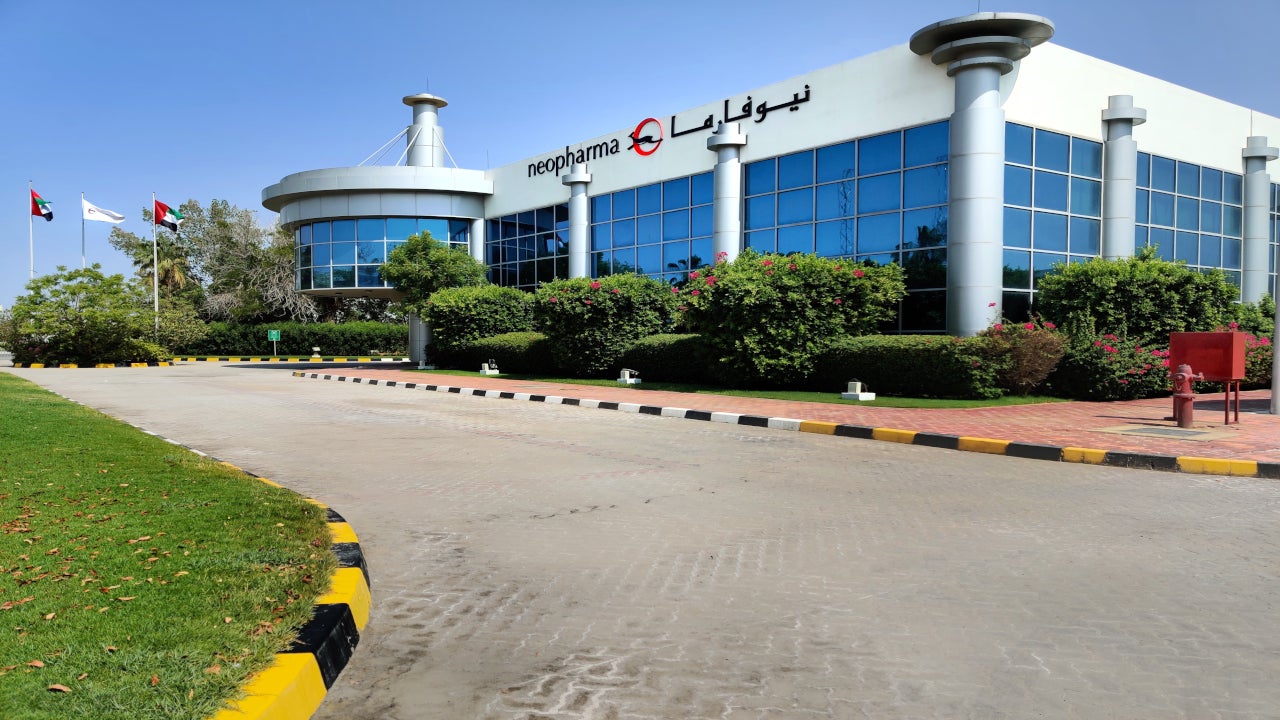
UAE is steadily positioning itself as a global reference point for pharmaceutical innovation, backed by regulatory maturity, public-private collaboration and an explicit policy commitment to advancing healthcare, senior executives at Novartis say. The assessment reflects a broader shift in how multinational drugmakers view the Gulf state, not merely as a sales market but as a base for development, manufacturing and clinical collaboration.
Valued at about $4.15bn, the domestic pharmaceutical market is projected to double by 2033, according to estimates from the Emirates Drug Establishment. Industry leaders argue that headline growth figures tell only part of the story. The deeper attraction lies in the predictability of regulation, clarity on intellectual property and a policy environment designed to draw long-term investment rather than short-term trading activity.
Executives point to a regulatory framework that has matured rapidly over the past decade. Faster approval pathways, alignment with international standards and an increasingly sophisticated pharmacovigilance system have reduced uncertainty for global companies accustomed to operating across multiple jurisdictions. For innovators, that consistency is often as important as market size, particularly when decisions involve multi-year commitments to research or local production.
Public-private collaboration has emerged as a defining feature of the UAE’s healthcare strategy. Government agencies have actively partnered with multinational companies, academic institutions and local manufacturers to accelerate access to advanced therapies while building domestic capability. These partnerships range from technology transfer agreements to joint training programmes aimed at strengthening the local life sciences workforce.
For Novartis, which maintains a long-standing presence in the country, the UAE’s approach signals an ambition to move up the pharmaceutical value chain. Company executives have highlighted the willingness of regulators and policymakers to engage in early dialogue on innovative treatments, including cell and gene therapies, areas that demand both regulatory flexibility and robust oversight. Such engagement, they argue, shortens timelines without compromising patient safety.
Manufacturing is another pillar of the strategy. While the UAE has traditionally relied on imports for a large share of its medicines, policy incentives have encouraged global and regional players to consider local production. This includes support for advanced manufacturing technologies and quality systems that meet export standards, positioning the country as a potential supply hub for the wider Middle East, Africa and parts of Asia.
Clinical research capacity has also expanded. The growth of well-regulated clinical trial centres, coupled with a diverse population base, has made the UAE more attractive for late-stage trials. Industry participants say this development is critical for embedding the country within global research networks, allowing patients earlier access to novel therapies while contributing data that supports international approvals.
The investment-friendly environment extends beyond healthcare policy. Broader economic reforms, including streamlined business licensing, strong infrastructure and ease of capital movement, have reinforced confidence among multinational firms. For life sciences companies managing complex supply chains and regulatory obligations, these factors reduce operational friction and support long-term planning.
Competition within the region is intensifying as other markets seek to attract pharmaceutical investment. What differentiates the UAE, executives argue, is the coherence between healthcare objectives and industrial policy. Rather than treating pharmaceuticals solely as a cost centre within public health spending, authorities have framed the sector as a strategic industry capable of driving knowledge transfer, skilled employment and export growth.
The article UAE sharpens role as pharma innovation hub appeared first on Arabian Post.
What's Your Reaction?