

































Unemployment In India Rose For The Third Consecutive Month In January 2026
By Dr. Gyan Pathak The year 2026 began with worsening of unemployment scenario in India, which rose for the third consecutive month in January and stood at 5 per cent in Current Weekly Status (CWS). Youth (15-29 years) unemployment is urban areas rose more sharply in the last five months to 18.6 per cent, with […] The article Unemployment In India Rose For The Third Consecutive Month In January 2026 appeared first on Latest India news, analysis and reports on Newspack by India Press Agency). The article Unemployment In India Rose For The Third Consecutive Month In January 2026 appeared first on Arabian Post.
By Dr. Gyan Pathak
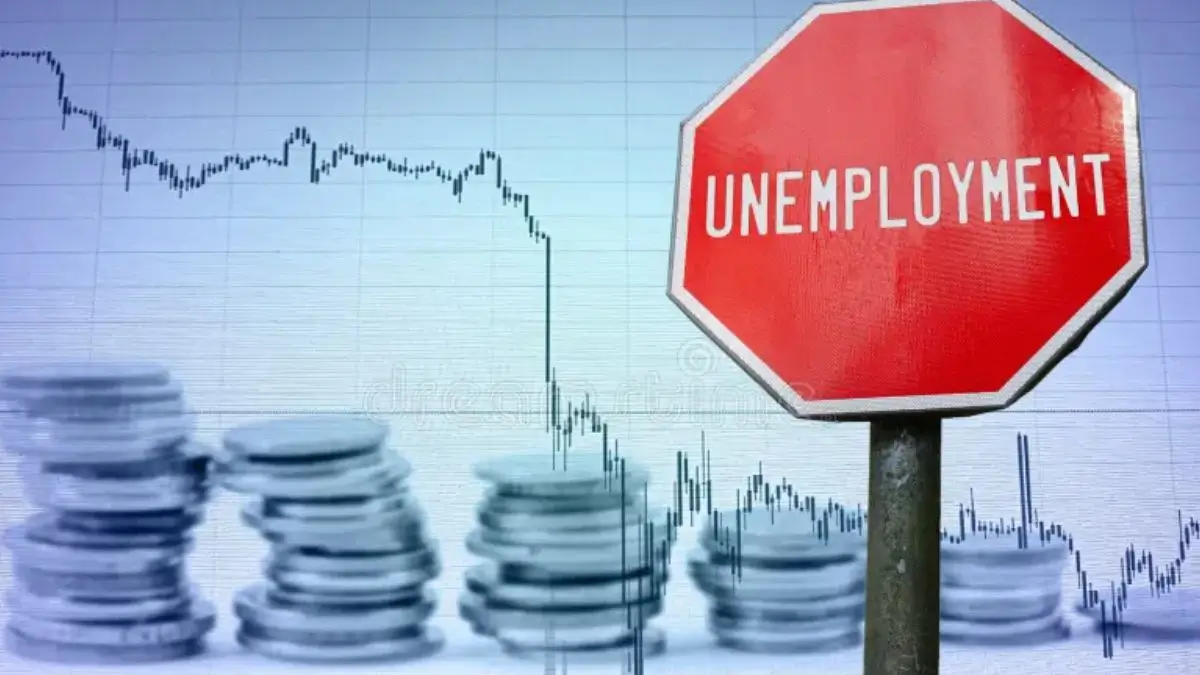
The year 2026 began with worsening of unemployment scenario in India, which rose for the third consecutive month in January and stood at 5 per cent in Current Weekly Status (CWS). Youth (15-29 years) unemployment is urban areas rose more sharply in the last five months to 18.6 per cent, with overall unemployment rate of 7 per cent for urban India. Even in rural India, unemployment rate among youth rose for the third consecutive month to 12.8 per cent, while overall unemployment in rural areas rose for the second consecutive month to 4.2 per cent.
The data of the latest Periodic Labour Force Survey (PLFS) for the month of January 2026 shows that all India unemployment rate for all age group was 4.7 per cent in November 2025, which rose to 4.8 per cent in December 2025, and then to 5 per cent in January 2025. The reason of worsening the situation is obvious, because of the decline in the agricultural activities in the rural areas, while there was no improvement in the employment opportunities in the urban areas, which has been worsening more rapidly than in the rural areas.
Major concern is the sharply rising youth unemployment. At all India level, the youth unemployment was 14.1 per cent in November 2025, which rose to 14.4 per cent in December 2025, and then to 14.7 per cent in January 2026.
Youth unemployment in urban areas was five months high for which data is available in the January bulletin. In September 2025, youth employment in urban areas was 18.5 per cent, which came down to 17.8 per cent in November, probably because of festival season but started rising again, to 18.1 per cent in December 2025 and then to 18.6 per cent in January 2026.
All India urban unemployment has also been rising since November 2025, when it was 6.5 per cent for all age groups. It rose to 6.7 per cent in December 2025, and then again rose to 7 per cent in January 2026.
Youth unemployment in rural India has also been showing disturbing trend. It was 12.4 per cent in November 2025, which rose to 12.6 per cent in December 2025, and then again rose to 12.8 per cent in January 2026. All India rural unemployment for all age groups even rose from 3.9 per cent in December to 4.2 per cent, which is likely to rise more with decline in agriculture activities.
Women are suffering more due to high level of unemployment among them compared to males. At all India level for women of all age group, unemployment rate was highest in the last five months since September 2025 when it was 5.5 per cent and against male unemployment of 5.1 per cent. The gender gap widened more sharply by January 2026 when female unemployment rose to 5.6 per cent as against the male unemployment rate of 4.8 per cent.
Both male and female unemployment rate has worsened for the last three consecutive months. Male unemployment rate in November 2025 was 4.6 per cent, which rose to 4.7 per cent in December 2025 and 4.8 per cent in January 2026. During this period female unemployment rates stood at 4.8 per cent in November, 2025, 4.9 per cent in December 2025, and 5.6 per cent in January 2026.
Youth unemployment rate among women is four months high. From 17.1 per cent in October 2025, it rose to 17.8 per cent in January 2026. Male youth unemployment is little less but as high as 13.6 per cent in January 2026.
There is very wide gender gap in youth male and youth female unemployment in urban areas. The PLFS data shows that the urban youth female unemployment rate in January 2026 was 26.4 per cent as against 16 per cent among youth males. In December 2025, urban youth female unemployment was 24.9 per cent. Urban youth male unemployment has risen for the third consecutive month from 15.3 per cent in November 2025 to 15.8 per cent in December 2025 and then 16 per cent in January 2026.
Unemployment among rural female of all age group was little higher at 4.3 per cent that males at 4.1 per cent. Similar is the case for rural youth female unemployment which stood at 14.2 per cent in January 2026 as against 12.3 per cent among rural youth males. Rural female youth unemployment was highest in five months in January 2026, which rose sharply from 12.5 per cent in November 2025 to 14.2 per cent in January 2026.
Worker Population Ratio (WPR), that is who actually worked for at least one hour in a week, also gives distressing picture. At all India level WPR in CWS declined from 40.4 per cent in November 2025 and 40.5 in December 2025 to 40.1 per cent. A wide gender gap persists. WPR for female was just 25.4 per cent as against 55.1 for male. WPR declined for both male and female for the second consecutive month, from 55.4 per cent and 25.9 per cent respectively in December 2025. Youth WPR was just 36 percent in January 2026, only 19.1 per cent among female and 53 per cent among male.
Urban WPR for all age group was worse at 37 per cent compared to all India WPR at 40 per cent in January 2026. Female urban WPR stood at only 18.4 per cent as against 55.1 per cent among urban males. Urban youth WPR was even less at 33.9 per cent – 16.1 per cent for urban youth female and 50.2 per cent for urban youth male.
Rural WPR stood at 41.6 per cent for all age groups – 28.7 per cent for females and 55 per cent for males. For rural youths it was 37.1 per cent – 20.5 per cent for females and 54.4 per cent for youth males.
Labour Force Participation Rate (LFPR), that is those actually worked and those who were seeking works, in January 2026 stood at 42.3 per cent for all age groups – 26.9 per cent for females and 57.8 per cent for males. LFPR for urban areas was 39.8 per cent – 20.4 per cent for females and 58.7 per cent for males. It is a major concern that among urban youth it stood LFPR stood at 41.6 per cent – 21.9 per cent among females and 59.8 percent among males. Gender gap is obviously very wide. Rural LFPR for all age group stood at 43.4 per cent – 30 per cent among females and 57.4 per cent among males. (IPA Service)
The article Unemployment In India Rose For The Third Consecutive Month In January 2026 appeared first on Latest India news, analysis and reports on Newspack by India Press Agency).
The article Unemployment In India Rose For The Third Consecutive Month In January 2026 appeared first on Arabian Post.
What's Your Reaction?