






















US-China Rivalry Suddenly Intensifies In Bangladesh As Tarique Takes Over As PM
By Nitya Chakraborty Only a week has passed since the BNP supremo Tarique Rahman has taken over as the Prime Minister of Bangladesh after the resounding victory of his party in the February 12 national elections. The 60 year old PM who is back to the country after an exile of 17 years in Britain, […] The article US-China Rivalry Suddenly Intensifies In Bangladesh As Tarique Takes Over As PM appeared first on Latest India news, analysis and reports on Newspack by India Press Agency). The article US-China Rivalry Suddenly Intensifies In Bangladesh As Tarique Takes Over As PM appeared first on Arabian Post.

Only a week has passed since the BNP supremo Tarique Rahman has taken over as the Prime Minister of Bangladesh after the resounding victory of his party in the February 12 national elections. The 60 year old PM who is back to the country after an exile of 17 years in Britain, is supposed to give all priority to the rebuilding the tattered economy and the administration in the country, but his focus has shifted as all on a sudden, the US administration has got overactive and intervening in the internal affairs of Bangladesh by asking the new government to take a position against China.
Such an open assertion by the US has not been seen in the recent months. In fact, the US embassy officials were not so much active in the first half of the tenure of the interim government, but the situation changed as the February 12 election was approaching. There was a sudden change in Trump administration’s approach to Bangladesh. The new U.S. ambassador Brent Christensen joined his duty in Dhaka on January 12 this year, just one month before the February 12 elections. Since then, US officials including Brent have been cultivating both the BNP and the Jamaat leaders in an effort to outsmart the Chinese envoy Yo Wen who has been active in Dhaka for the last three years establishing wide contacts at every level of the government and the political parties.
After the taking over as the Prime Minister, Tarique Rahman and his foreign minister Khalilur Rahman, a highly experienced foreign service officer reviewed as usual the relationship with the three major countries India, USA and China and what steps should be taken in the interests of Bangladesh. A review of the just announced US-Bangladesh trade deal was also under discussion. Issues about the balancing of the relationship with all the three major countries were under radar.
When all the initial discussions were going on, on Saturday February 21, the US ambassador Brent Christensen in a harsh statement said that he was concerned at the broader Chinese influence in South Asia without naming Bangladesh. The letter sent by Trump to Tarique also mentioned that US-Bangladesh partnership is based on mutual respect and a shared interest in fostering a free and open Indo-Pacific. This virtually means that the US wants Bangladesh as a partner in its Indo-Pacific security strategy against China, just as Trump has roped in India as a partner in its anti-China security strategy.
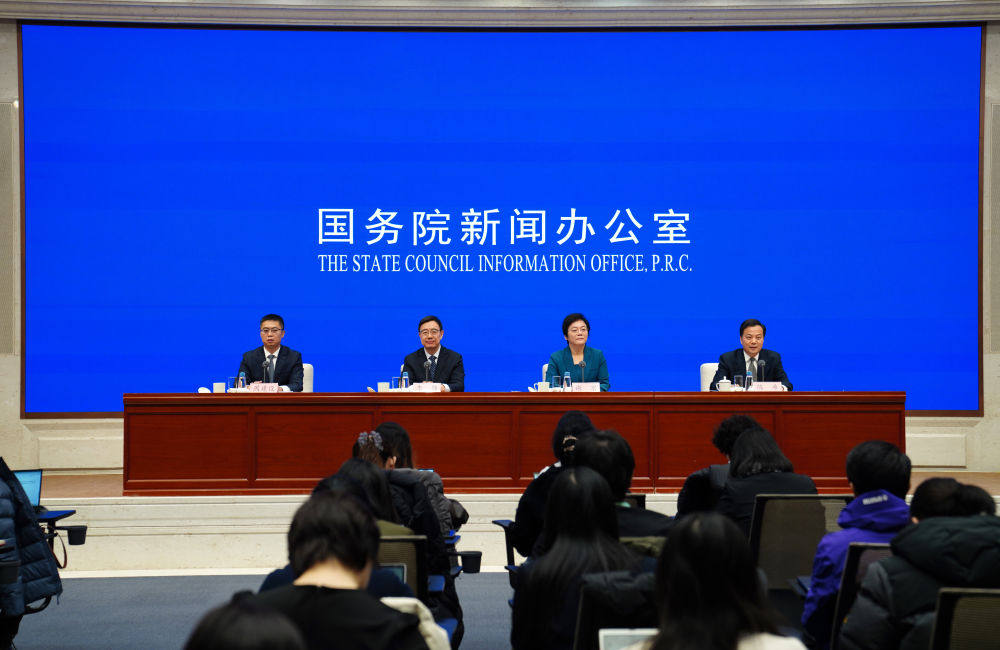
So for Tarique Rahman, even before he has stabilized his position, he is under a threat by the U.S that the new Bangladesh government has to be a part of the US strategy against China if the new government wants to foster better relations with the USA. Naturally, China also reacted vehemently next day as the Chinese envoy Yo Wen met the Bangladesh foreign minister and mentioned that China appreciates Bangladesh declaration of following Bangladesh First policy and China’s cooperation to Dhaka will be all pervasive and it is not targeted against any third country.
Tarique government is very embarrassed at the anti-China slant of the US embassy from the soil of Dhaka but the government can do precious little to prevent the U.S from playing its big brother role. Political sources in Dhaka say that the US is worried at the last defence pact between Bangladesh and China. The US wants that Bangladesh should not pursue its future talks with China for defence cooperation.
As per as perception is concerned, Bangladesh people mostly nurse sentiments against both the India and the US. In the last eighteen months since the fall of the Hasina government on August 5, 2024, the influence of China has increased among the people compared to the decline in sentiments for US. In the last visit of interim head Dr. Yunus to China early 2025, a big breakthrough was made in China’s investment in establishing industrial estates in different districts of Bangladesh. There was an agreement of a factory for drones near the Indian border within Bangladesh. Tarique government is now asked by the US to review the agreements afresh.
Onesided terms of a recently signed U.S. trade deal have highlighted how new Bangladeshi Prime Minister Tarique Rahman faces a delicate balancing act when it comes to ties with Washington and Beijing as the two vie for influence in his country. On one side, the U.S. is touting market access, security cooperation and regulatory leverage, while China is offering infrastructure, industrial integration and defense supplies.
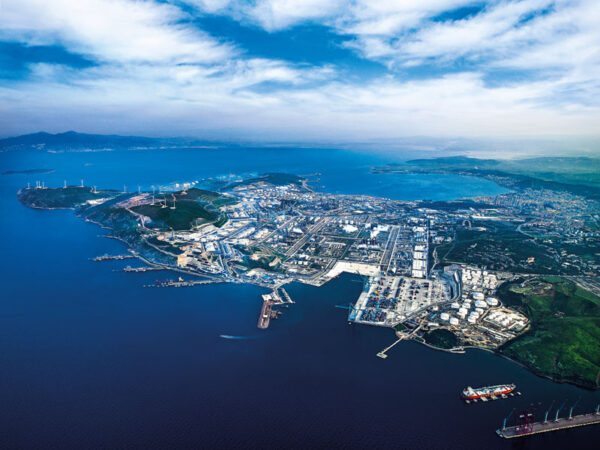
China remains Bangladesh’s largest trading partner and a dominant infrastructure investor, financing projects from port modernization to industrial zones. The U.S. is Bangladesh’s largest export market and had for a long time been its biggest foreign investor, though foreign direct investment (FDI) stock has fallen sharply — from roughly $4 billion in the fiscal year through June 2023 to about $1 billion as of September 2025, due to the political turmoil and weak investor confidence during Yunus regime.
Chinese FDI stock in Bangladesh had reached about $3 billion as of September 2025. Beijing has also extended zero-tariff access to Bangladeshi exports alongside several other least developed countries, first granting duty-free access to 98% of products in 2022 and later expanding the offer. China is very keen to maintain its position as a major defence system supplier to Bangladesh. This is now being objected to by the Trump administration. This was not the situation in the earlier years.
Beijing is closely monitoring the developments in Bangladesh. President Xi Jinping himself met Dr. Yunus at his meeting and took personal interest in expanding ties with Bangladesh so that the South Asian country can create substantial jobs with Chinese assistance. China will not like its agreements to be nullified due to US pressure. Tarique Rahman is under tremendous pressure from his advisers as also think tank to stick to Bangladesh First policy and act taking into account strategic autonomy of Bangladesh as per the BNP manifesto. Next few days will show whether Tarique has the guts to defy US pressure and act taking into account the interests of Bangladesh only. (IPA Service)
The article US-China Rivalry Suddenly Intensifies In Bangladesh As Tarique Takes Over As PM appeared first on Latest India news, analysis and reports on Newspack by India Press Agency).
The article US-China Rivalry Suddenly Intensifies In Bangladesh As Tarique Takes Over As PM appeared first on Arabian Post.
What's Your Reaction?