Weaponising the Strait of Hormuz is an act of economic terrorism, says UAE minister
[Editor's Note: Follow Khaleej Times live blog amid US-Israel-Iran war for the latest regional developments.]Weaponising the Strait of Hormuz is an act of economic terrorism, and no country should be allowed to hold Hormuz hostage, said Dr Sultan Ahmed Al Jaber, the UAE’s minister of industry and advanced technology.He warned that when the Strait of Hormuz is threatened, its human cost is exponential, and its consequences reach factories, farms and families around the world.Stay up to date with the latest news. Follow KT on WhatsApp channels.Al Jaber, who is also managing director and group CEO of Adnoc, was speaking at the global energy conference CERAWeek, taking place in Texas, US.He stressed that the world’s critical arteries must remain open, and the Strait of Hormuz is one of those arteries.“Twenty-one miles wide. Twenty million barrels a day. Nearly a fifth of the world’s oil and gas. Over a third of the world’s fertiliser. Almost a quarter of the world’s petrochemicals and significant amounts of industrial metals. In short, much of the oxygen of the global economy runs through a single throat. Yet, Iran believes that choking it is an acceptable strategy,” Al Jaber said in a stark warning to the world after Iran closed the Strait of Hormuz after a US-Israel attack.As a result of its closure, oil, gas, fertiliser and other goods prices have jumped over the past three weeks.The regional conflict and closure of the Strait of Hormuz have reduced supply by around 10–12 million barrels per day.Dr Sultan Al Jaber“When Hormuz is squeezed, the pressure is immediately felt around the world. In just three weeks, the price of oil has risen by 50 per cent. This is raising the cost of living for those who can least afford it and slowing economic growth everywhere.“So let me be absolutely clear. Weaponising the Strait of Hormuz is not an act of aggression against one nation. It is economic terrorism against every nation. And no country should be allowed to hold Hormuz hostage, not now, not ever. And while we appreciate all efforts to stabilise markets and reduce prices, this is not a supply issue. It is a security issue, and it has only one durable answer: keeping the Strait open. We cannot trade our way out of this crisis,” he said during the speech.The UAE didn’t ask for conflict Many countries around the world have criticised Iran for threatening to close the Strait of Hormuz.Dr Al Jaber, who is also chairman of Masdar and executive chairman of XRG, stressed the UAE did not ask for conflict and had taken every possible step to prevent it.“But when the moment came, we were ready. Our defences have been tested. Our resilience has been tested. Our character has been tested. And we withstood,” he said.“We will continue to defend our nation and our way of life. In fact, this experience has only reinforced our model of pragmatic progress, rooted in realism, not ideology, steady in its course, practical in its approach, and relentlessly focused on results,” said the UAE’s minister of industry and advanced technology.‘Our word is our currency’Dr Al Jaber revealed during the speech that the UAE companies Adnoc, XRG and Masdar have invested more than $85 billion (Dh311 billion) in US energy assets, supporting power generation, advanced chemicals and jobs across 19 states.“For the UAE, partnership is not just something we do. It is who we are. Our commitments are concrete. Our word is our currency. And when it really matters, we step up and show up.”He elaborated that the UAE companies are “actively exploring opportunities across the whole value chain, especially in hard infrastructure – from storage to liquefaction to regasification plants.Al Jaber flays attacks on energy facilties as ‘economic warfare’UAE, global allies slam Iran over Strait of Hormuz attacks, warn of energy crisis'We will keep you safe': UAE minister reassures citizens, residents, tourists amid Iran attack
[Editor's Note: Follow Khaleej Times live blog amid US-Israel-Iran war for the latest regional developments.]
Weaponising the Strait of Hormuz is an act of economic terrorism, and no country should be allowed to hold Hormuz hostage, said Dr Sultan Ahmed Al Jaber, the UAE’s minister of industry and advanced technology.
He warned that when the Strait of Hormuz is threatened, its human cost is exponential, and its consequences reach factories, farms and families around the world.
Stay up to date with the latest news. Follow KT on WhatsApp channels.
Al Jaber, who is also managing director and group CEO of Adnoc, was speaking at the global energy conference CERAWeek, taking place in Texas, US.
He stressed that the world’s critical arteries must remain open, and the Strait of Hormuz is one of those arteries.
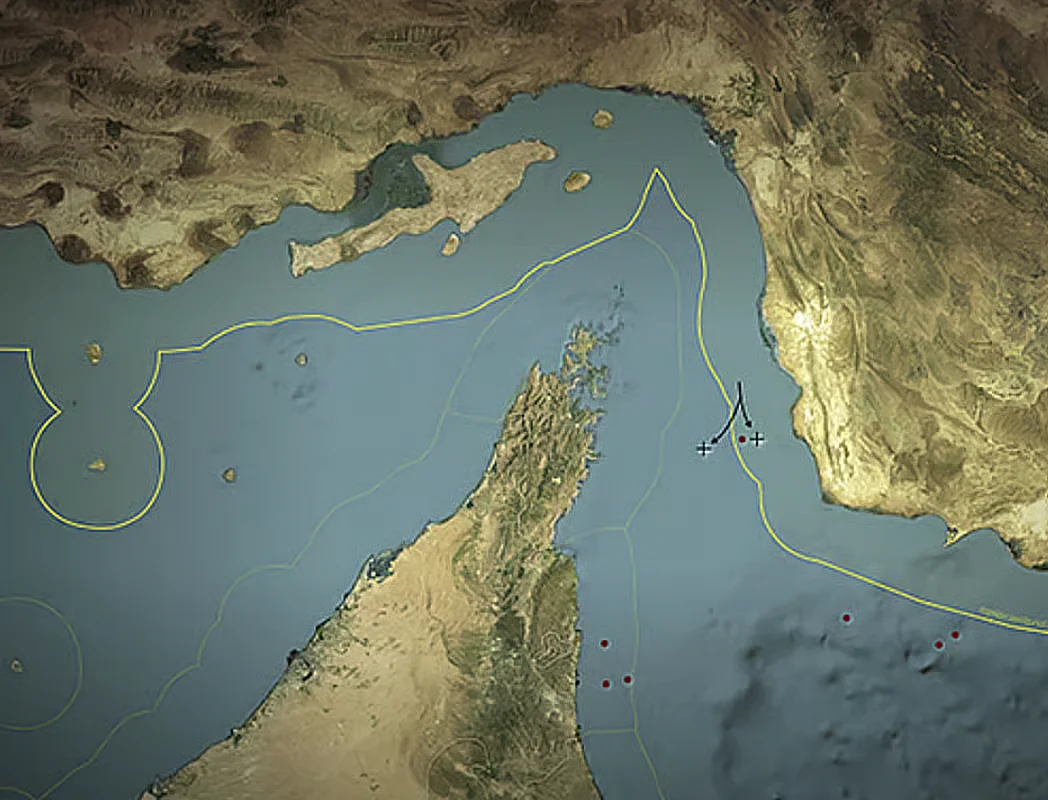
“Twenty-one miles wide. Twenty million barrels a day. Nearly a fifth of the world’s oil and gas. Over a third of the world’s fertiliser. Almost a quarter of the world’s petrochemicals and significant amounts of industrial metals. In short, much of the oxygen of the global economy runs through a single throat. Yet, Iran believes that choking it is an acceptable strategy,” Al Jaber said in a stark warning to the world after Iran closed the Strait of Hormuz after a US-Israel attack.
As a result of its closure, oil, gas, fertiliser and other goods prices have jumped over the past three weeks.
The regional conflict and closure of the Strait of Hormuz have reduced supply by around 10–12 million barrels per day. Dr Sultan Al Jaber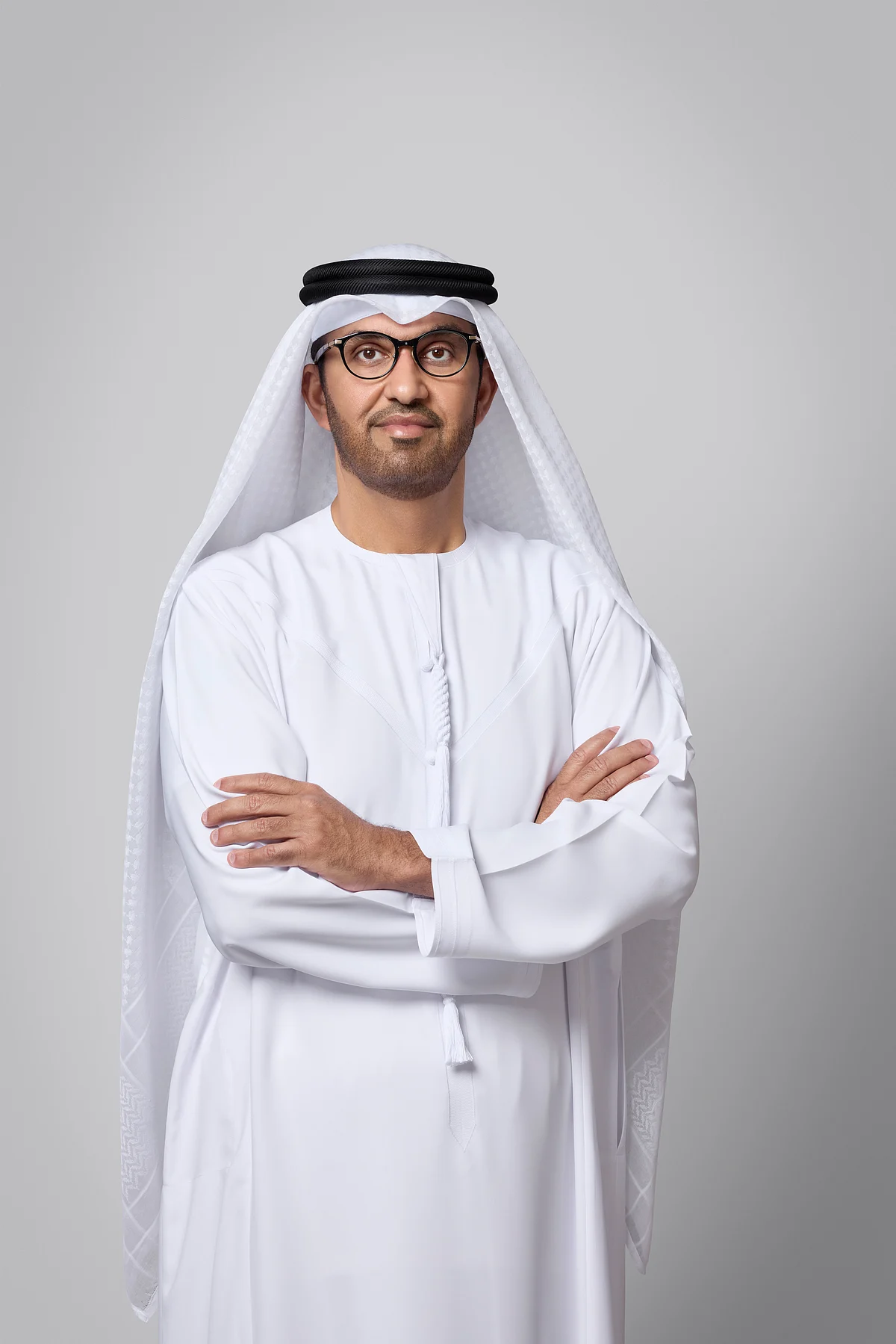
“When Hormuz is squeezed, the pressure is immediately felt around the world. In just three weeks, the price of oil has risen by 50 per cent. This is raising the cost of living for those who can least afford it and slowing economic growth everywhere.
“So let me be absolutely clear. Weaponising the Strait of Hormuz is not an act of aggression against one nation. It is economic terrorism against every nation. And no country should be allowed to hold Hormuz hostage, not now, not ever. And while we appreciate all efforts to stabilise markets and reduce prices, this is not a supply issue. It is a security issue, and it has only one durable answer: keeping the Strait open. We cannot trade our way out of this crisis,” he said during the speech.
The UAE didn’t ask for conflict
Many countries around the world have criticised Iran for threatening to close the Strait of Hormuz.
Dr Al Jaber, who is also chairman of Masdar and executive chairman of XRG, stressed the UAE did not ask for conflict and had taken every possible step to prevent it.
“But when the moment came, we were ready. Our defences have been tested. Our resilience has been tested. Our character has been tested. And we withstood,” he said.
“We will continue to defend our nation and our way of life. In fact, this experience has only reinforced our model of pragmatic progress, rooted in realism, not ideology, steady in its course, practical in its approach, and relentlessly focused on results,” said the UAE’s minister of industry and advanced technology.
‘Our word is our currency’
Dr Al Jaber revealed during the speech that the UAE companies Adnoc, XRG and Masdar have invested more than $85 billion (Dh311 billion) in US energy assets, supporting power generation, advanced chemicals and jobs across 19 states.
“For the UAE, partnership is not just something we do. It is who we are. Our commitments are concrete. Our word is our currency. And when it really matters, we step up and show up.”
He elaborated that the UAE companies are “actively exploring opportunities across the whole value chain, especially in hard infrastructure – from storage to liquefaction to regasification plants.
What's Your Reaction?