


































Will UAE petrol prices rise in February after increase last month?
Petrol prices in the UAE could rise for the month of February 2026 following an increase in global oil prices in January.The average closing price for Brent oil was $63.47 per barrel this month, compared to $61.51 in December 2025, due to supply disruption fears from Iran and Venezuela amidst geopolitical tensions.Brent saw the highest close at $66.52 per barrel during the first three weeks of this month. On Tuesday morning, Brent and WTI were steady at $65.5 and $60.6 a barrel, respectively.Stay up to date with the latest news. Follow KT on WhatsApp Channels.In the UAE, the three variants of petrol Super 98, Special 95 and E-Plus were priced at Dh2.53, Dh2.42 and Dh2.34 per litre, respectively, for the month of January, slightly down when compared to the previous month.The growing number of vehicles in the UAE is fuelling more demand for petrol and diesel. According to Adnoc Distribution, the UAE’s largest fuel retailer, it achieved the highest nine-month fuel volumes in its history, totalling 11.7 billion litres as it added 85 new service stations during the January-September 2026 period, bringing its total network size to 977.Vijay Valecha, chief investment officer of Century Financial, said energy markets have repriced crude higher amid renewed US focus on Iran.“The deployment of American naval assets to the Middle East is raising concerns over potential escalation and supply disruption. This geopolitical risk premium, combined with recent operational uncertainty at the Caspian Pipeline Consortium (CPC), prompted hedge funds to increase bullish crude positions to their highest level since August in the week through January 20,” he said.However, Fitch Ratings noted that the geopolitical oil risk premium is likely to remain capped due to global market oversupply, despite increased oil-price volatility.“Any possible supply disruptions in Iran can be absorbed by an oversupplied market. Potential short-term supply increases from Venezuela are likely to be small, while a more material rise in the long term would be quite challenging. Opec’s future strategic stance on volume versus value will be important in shaping the oil market,” it said in a research report.UAE fuel rates: Will petrol prices drop in January 2026?UAE petrol, diesel prices for January 2026 announced
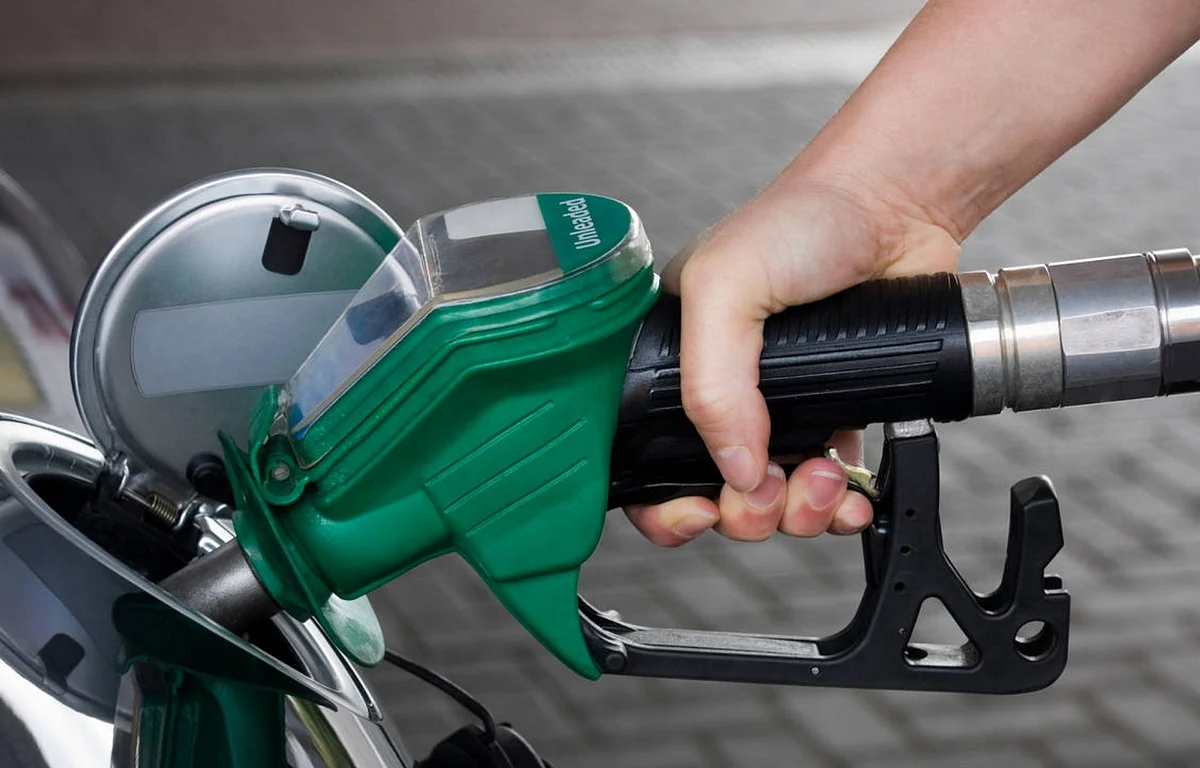
Petrol prices in the UAE could rise for the month of February 2026 following an increase in global oil prices in January.
The average closing price for Brent oil was $63.47 per barrel this month, compared to $61.51 in December 2025, due to supply disruption fears from Iran and Venezuela amidst geopolitical tensions.
Brent saw the highest close at $66.52 per barrel during the first three weeks of this month. On Tuesday morning, Brent and WTI were steady at $65.5 and $60.6 a barrel, respectively.
Stay up to date with the latest news. Follow KT on WhatsApp Channels.
In the UAE, the three variants of petrol Super 98, Special 95 and E-Plus were priced at Dh2.53, Dh2.42 and Dh2.34 per litre, respectively, for the month of January, slightly down when compared to the previous month.
The growing number of vehicles in the UAE is fuelling more demand for petrol and diesel. According to Adnoc Distribution, the UAE’s largest fuel retailer, it achieved the highest nine-month fuel volumes in its history, totalling 11.7 billion litres as it added 85 new service stations during the January-September 2026 period, bringing its total network size to 977.
Vijay Valecha, chief investment officer of Century Financial, said energy markets have repriced crude higher amid renewed US focus on Iran.
“The deployment of American naval assets to the Middle East is raising concerns over potential escalation and supply disruption. This geopolitical risk premium, combined with recent operational uncertainty at the Caspian Pipeline Consortium (CPC), prompted hedge funds to increase bullish crude positions to their highest level since August in the week through January 20,” he said.
However, Fitch Ratings noted that the geopolitical oil risk premium is likely to remain capped due to global market oversupply, despite increased oil-price volatility.
“Any possible supply disruptions in Iran can be absorbed by an oversupplied market. Potential short-term supply increases from Venezuela are likely to be small, while a more material rise in the long term would be quite challenging. Opec’s future strategic stance on volume versus value will be important in shaping the oil market,” it said in a research report.
What's Your Reaction?