


































ABP Live Budget Traveller: Explore India’s Serene Wetlands This World Wetlands Day
World Wetlands Day is observed to highlight the importance of wetlands and their role in maintaining ecological balance. The day traces its origin to February 2, 1971, when environmentalists came together to adopt the Ramsar Convention in the Iranian city of Ramsar, reaffirming the need to protect wetlands across the world. India, home to a diverse range of water ecosystems, boasts some of the most scenic and ecologically rich wetlands. From high-altitude lakes to mangrove forests and wildlife reserves, these wetlands not only support countless species but also offer unforgettable travel experiences. On World Wetlands Day, here’s a look at some of the most beautiful wetlands in India worth exploring. ALSO READ: ABP Live Budget Traveller | Dreaming Of Visiting Jibhi? Here’s How To Travel Under ₹10,000 Loktak Lake, Manipur (Image Source: Canva) Located in Manipur, Loktak Lake is the largest freshwater wetland in Northeast India and is known for its unique floating islands called phumdis. These drifting masses of vegetation create a constantly changing landscape and support rich wildlife, including the endangered sangai deer found in the world’s only floating national park, Keibul Lamjao. Chandratal Lake, Himachal Pradesh (Image Source: Canva) Nestled near Kunzum Pass in Spiti Valley, Chandratal Lake feels almost unreal with its striking blue waters and silent mountain surroundings. As night falls, the lake reflects a sky full of stars, creating a serene and otherworldly experience that stays etched in memory. Sundarbans, West Bengal (Image Source: Canva) One of the most iconic wetlands in India, the Sundarbans is also the world’s largest mangrove forest. Known for its rich biodiversity and as a natural habitat of the Royal Bengal tiger, this Ramsar site showcases nature in its raw, untamed form. Chilika Lake, Odisha (Image Source: Canva) Asia’s largest saltwater lake, Chilika, is a paradise for bird lovers. Renowned for its stable ecosystem, the lake attracts numerous migratory birds and offers breathtaking views of thriving flora and fauna in a calm, expansive setting. Sambhar Salt Lake, Rajasthan (Image Source: Canva) Set amid the arid landscape of Rajasthan, Sambhar Salt Lake is a vast saline wetland known for its striking white sheen, especially during full moon nights. Seasonal waters attract thousands of migratory birds, including pink flamingos, while its open terrain and scenic horizons make it a visually captivating natural space. Tso Kar Lake, Ladakh (Image Source: Canva) Located in the Rupshu Valley, Tso Kar is a fluctuating salt lake often called the White Lake due to the salt deposits along its shores. Surrounded by stark mountain landscapes, its tranquil atmosphere makes it one of Ladakh’s most peaceful natural wonders. Keoladeo Ghana National Park, Rajasthan (Image Source: x/ my_rajasthan) Previously known as Bharatpur National Park, this wetland is among the finest bird-watching destinations in the country. Home to a wide variety of birds, reptiles, amphibians, and fish, it has earned a reputation as one of India’s lushest wetland ecosystems.

World Wetlands Day is observed to highlight the importance of wetlands and their role in maintaining ecological balance. The day traces its origin to February 2, 1971, when environmentalists came together to adopt the Ramsar Convention in the Iranian city of Ramsar, reaffirming the need to protect wetlands across the world.
India, home to a diverse range of water ecosystems, boasts some of the most scenic and ecologically rich wetlands. From high-altitude lakes to mangrove forests and wildlife reserves, these wetlands not only support countless species but also offer unforgettable travel experiences.
On World Wetlands Day, here’s a look at some of the most beautiful wetlands in India worth exploring.
ALSO READ: ABP Live Budget Traveller | Dreaming Of Visiting Jibhi? Here’s How To Travel Under ₹10,000
Loktak Lake, Manipur

Located in Manipur, Loktak Lake is the largest freshwater wetland in Northeast India and is known for its unique floating islands called phumdis. These drifting masses of vegetation create a constantly changing landscape and support rich wildlife, including the endangered sangai deer found in the world’s only floating national park, Keibul Lamjao.
Chandratal Lake, Himachal Pradesh
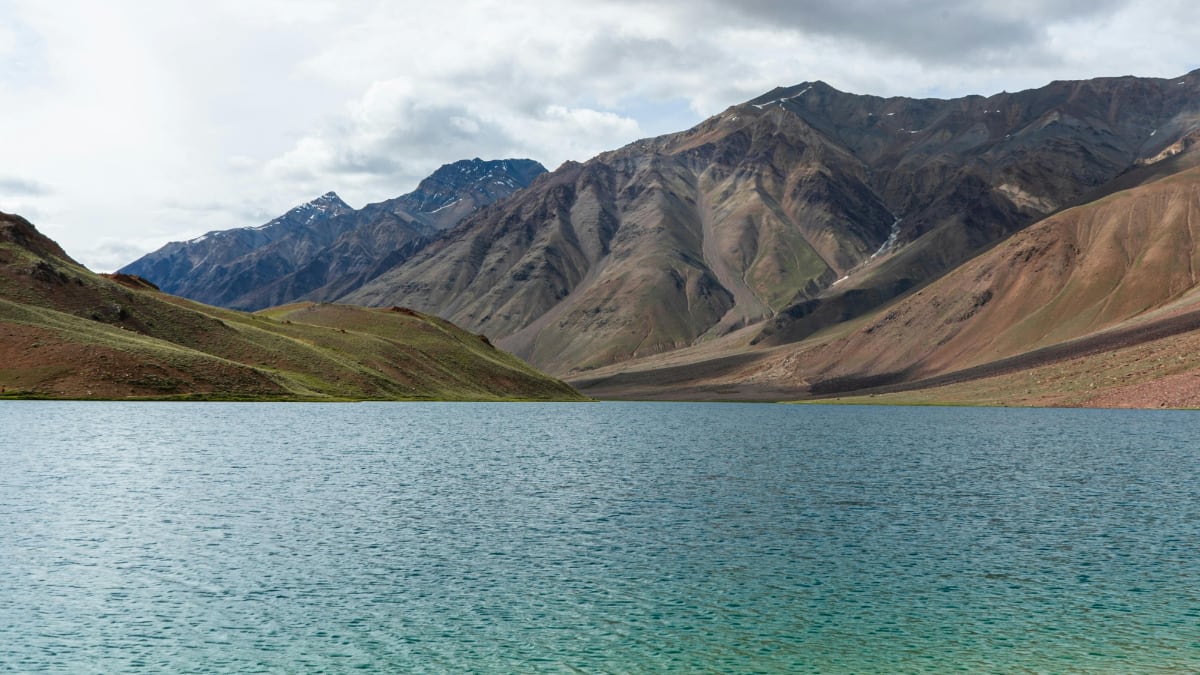
Nestled near Kunzum Pass in Spiti Valley, Chandratal Lake feels almost unreal with its striking blue waters and silent mountain surroundings. As night falls, the lake reflects a sky full of stars, creating a serene and otherworldly experience that stays etched in memory.
Sundarbans, West Bengal

One of the most iconic wetlands in India, the Sundarbans is also the world’s largest mangrove forest. Known for its rich biodiversity and as a natural habitat of the Royal Bengal tiger, this Ramsar site showcases nature in its raw, untamed form.
Chilika Lake, Odisha

Asia’s largest saltwater lake, Chilika, is a paradise for bird lovers. Renowned for its stable ecosystem, the lake attracts numerous migratory birds and offers breathtaking views of thriving flora and fauna in a calm, expansive setting.
Sambhar Salt Lake, Rajasthan
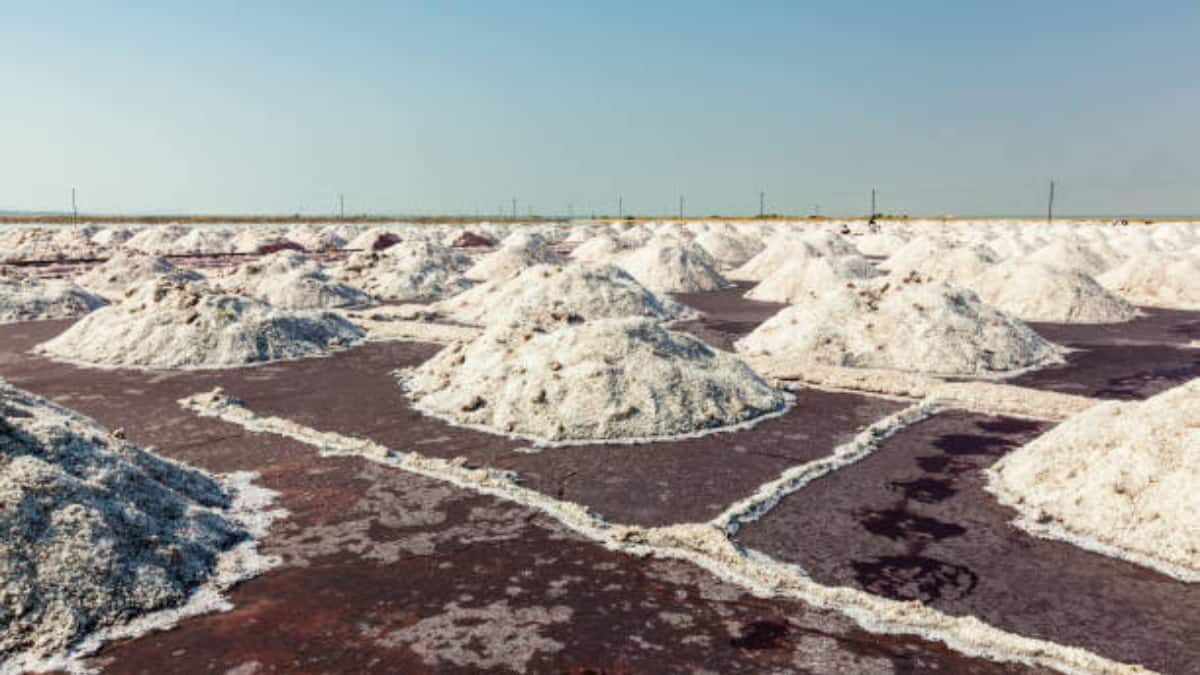
Set amid the arid landscape of Rajasthan, Sambhar Salt Lake is a vast saline wetland known for its striking white sheen, especially during full moon nights. Seasonal waters attract thousands of migratory birds, including pink flamingos, while its open terrain and scenic horizons make it a visually captivating natural space.
Tso Kar Lake, Ladakh

Located in the Rupshu Valley, Tso Kar is a fluctuating salt lake often called the White Lake due to the salt deposits along its shores. Surrounded by stark mountain landscapes, its tranquil atmosphere makes it one of Ladakh’s most peaceful natural wonders.
Keoladeo Ghana National Park, Rajasthan

Previously known as Bharatpur National Park, this wetland is among the finest bird-watching destinations in the country. Home to a wide variety of birds, reptiles, amphibians, and fish, it has earned a reputation as one of India’s lushest wetland ecosystems.
What's Your Reaction?