

































Abu Dhabi expands Murban crude exports for April markets
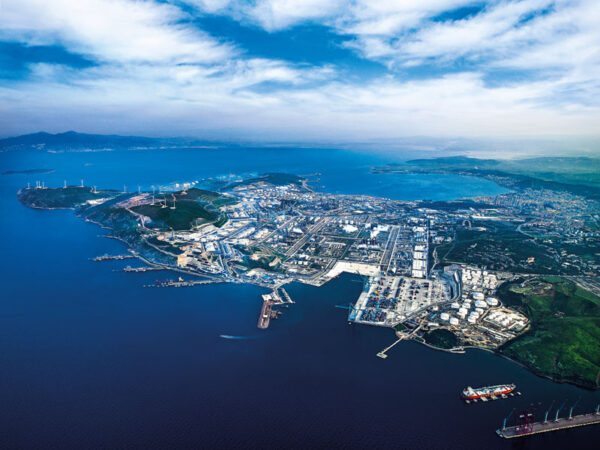
Abu Dhabi is preparing to export increased volumes of its flagship Murban crude for April delivery as part of a broader effort by Gulf producers to strengthen supply ahead of a pivotal OPEC+ gathering and amidst mounting geopolitical uncertainties. The state-owned Abu Dhabi National Oil Company has offered additional barrels to its partners in the onshore concession that produces the light, low-sulphur grade, traders said. It remains […] The article Abu Dhabi expands Murban crude exports for April markets appeared first on Arabian Post.
Abu Dhabi is preparing to export increased volumes of its flagship Murban crude for April delivery as part of a broader effort by Gulf producers to strengthen supply ahead of a pivotal OPEC+ gathering and amidst mounting geopolitical uncertainties. The state-owned Abu Dhabi National Oil Company has offered additional barrels to its partners in the onshore concession that produces the light, low-sulphur grade, traders said. It remains unclear how large the incremental volumes will be, though the move signals a willingness by major Middle Eastern producers to keep barrels flowing even as market fundamentals tighten.
The expanded offer comes from the ADNOC Onshore concession, where international majors including BP, TotalEnergies, China National Petroleum Corp, Inpex of Japan, Zhenhua Oil and South Korea’s GS Energy hold equity interests and are entitled to roughly 40 per cent of production from fields capable of around 2 million barrels per day. ADNOC holds the balance. Some of the extra volume is understood to already be finding its way into the spot market through partner sales, according to industry sources.
Market participants said the additional supply may help temper some volatility in crude benchmarks that have seen premiums narrow. Murban, a grade increasingly used as a physical benchmark in Asia, had been trading softer against regional benchmarks for April-loading cargoes as extra barrels have been slated for export.
The strategy reflects a wider recalibration among top exporters in the Gulf Cooperation Council that are balancing the need to support global oil market stability with longer-term demand trends. Saudi Arabia, OPEC’s largest producer, has also signalled plans to increase shipments and maintain robust export levels, reflecting a contingency posture as geopolitical risk premiums have risen on concerns about possible supply disruptions through key chokepoints such as the Strait of Hormuz.
Analysts pointed to the broader context of rising tensions between the United States and Iran, which have elevated risk perceptions in energy markets. This has contributed to Brent crude prices trading above key psychological levels, reinforcing the impetus for producers to ensure adequate flows. The Iranian situation has seen Tehran escalate tanker movements as it seeks to maximise exports under shifting diplomatic and economic pressures.
The planned uptick in ADNOC’s Murban exports dovetails with discussions within OPEC+ about production policy for April. Delegates and industry observers have anticipated that the group may consider modest increases to oil output to accommodate seasonal demand and manage inventories following a quarter in which production hikes had been mostly paused.
Murban crude, prized for its light gravity and low sulphur content that make it suitable for refinery processes geared towards high-value fuels, plays an increasingly strategic role in Middle Eastern export portfolios. Its integration into global trading and pricing mechanisms, including developments in physical futures delivery, has enhanced transparency and demand visibility among refiners in Asia and beyond.
Some shipping and trading sources emphasise that the broader supply surge from Gulf producers acts as a stabilising force for global markets, particularly if geopolitical flashpoints escalate. Higher shipments now could mitigate the impact of potential disruptions later, smoothing crude availability for major importers.
Despite these supply moves, maintenance activities at onshore fields in the UAE scheduled later in the year are expected to constrain export availability at times, underscoring the intricate balance producers must maintain between maximising output and managing operational reliability.
Equity partners in the Murban concession, which include a mix of Western, Asian and Middle Eastern firms, have largely declined to comment publicly on the expanded offers. ADNOC and its partners have not issued statements confirming the scale of extra volumes, reflecting typical market practice around strategic export adjustments.
The expanded supply prospects arrive as oil markets continue to adapt to shifting demand patterns, with strong consumption in major centres like China and India driving import strategies even as alternative sources and pricing differentials shape trade flows. Producers are closely watching inventory data and freight trends, which have at times reflected heightened activity as traders pre-position cargoes.
The article Abu Dhabi expands Murban crude exports for April markets appeared first on Arabian Post.
What's Your Reaction?