




















Trump says US begins combat operations in Iran
Arabian Post Staff -Dubai President Donald Trump announced early on Saturday that the United States military had launched “major combat operations” in Iran, marking a dramatic escalation in long-running tensions between Washington and Tehran. Trump said the strikes were intended to target what he described as imminent threats posed by the Iranian regime, and declared that American forces were acting to protect the United States, its military […] The article Trump says US begins combat operations in Iran appeared first on Arabian Post.
Arabian Post Staff -Dubai
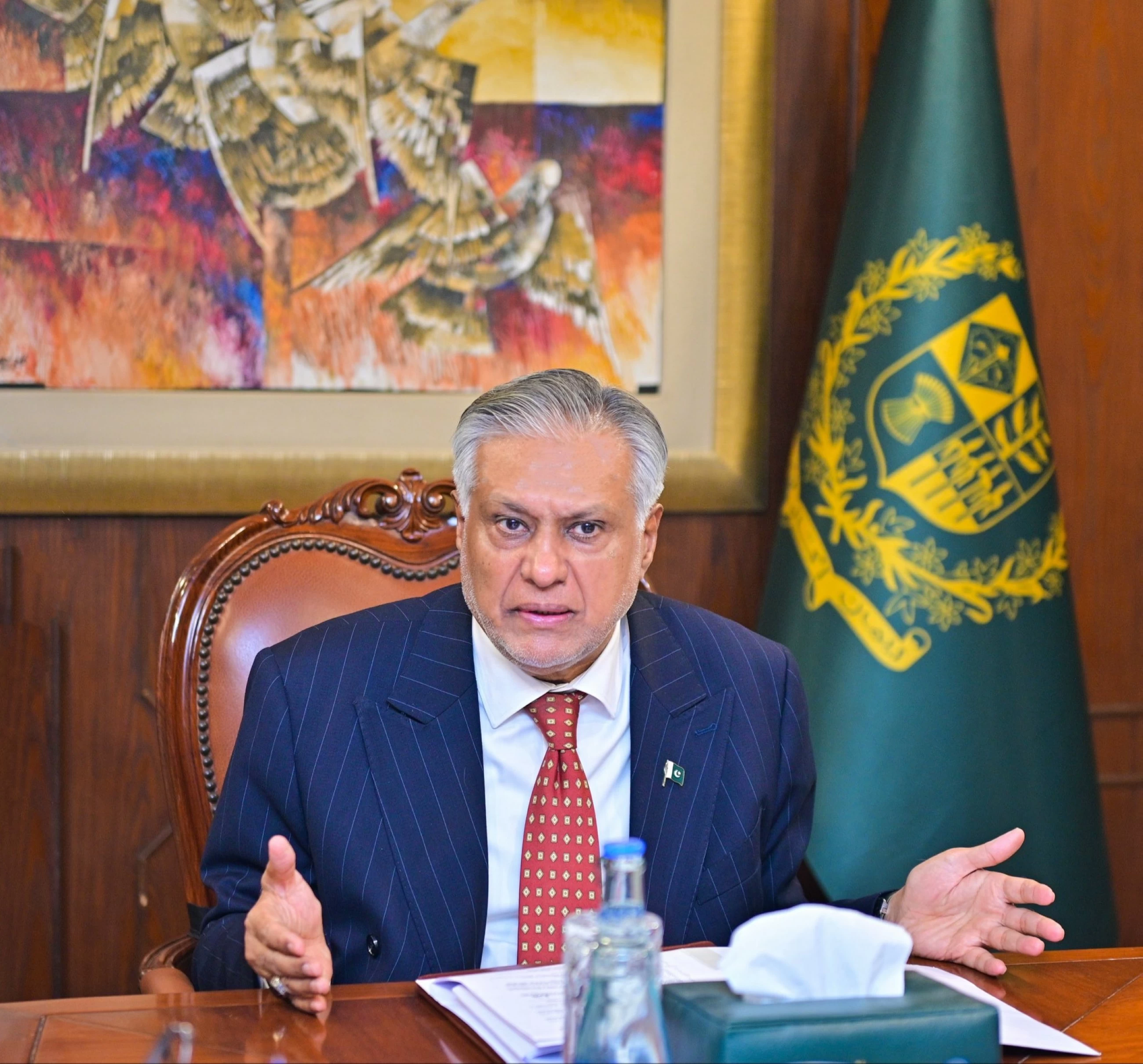
President Donald Trump announced early on Saturday that the United States military had launched “major combat operations” in Iran, marking a dramatic escalation in long-running tensions between Washington and Tehran.
Trump said the strikes were intended to target what he described as imminent threats posed by the Iranian regime, and declared that American forces were acting to protect the United States, its military personnel and allied interests. The announcement came as coordinated Israeli strikes were reported in Iran’s capital, with explosions heard across Tehran and other cities.
Trump delivered his message in a video posted to his social media platform, asserting that the military action was necessary to disrupt Iran’s missile infrastructure and naval capabilities. He acknowledged that American casualties were likely and urged Iranian armed forces to surrender, offering “complete immunity” to those who laid down their weapons. Those who resisted, he warned, would “face certain death”. The strikes follow months of mounting hostility over Tehran’s nuclear programme and ballistic missile activities.
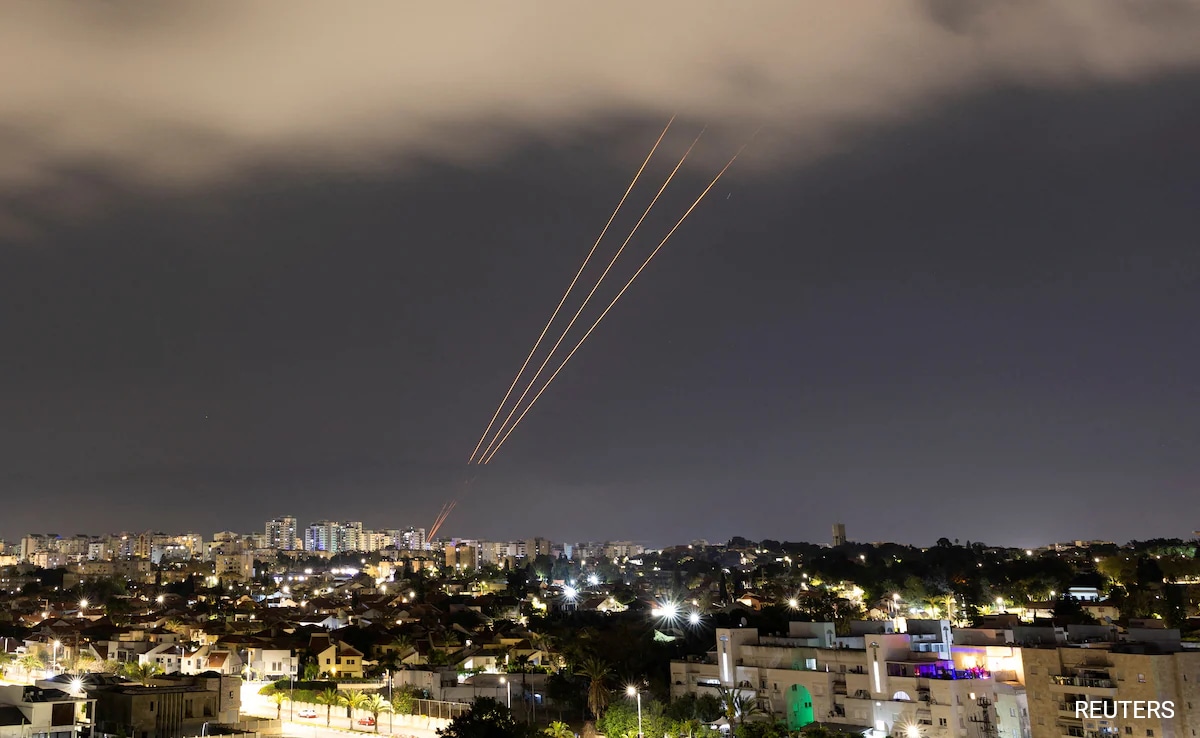
The United States operation appears to have been carried out alongside Israeli military action, with Israel’s Defence Minister describing the assault as a “pre-emptive attack” on Iranian targets and warning that it was essential to neutralise threats to Israeli security. Air-raid sirens were activated across Israel in anticipation of potential Iranian retaliation, and civilian flights were cancelled as the nation braced for escalation. Observers report columns of smoke rising over Tehran, with mobile phone services disrupted and Iran’s airspace temporarily closed.
The sudden outbreak of hostilities represents a significant deviation from the diplomatic engagements that had been ongoing. In January, indirect talks between the United States and Iran had been held in an effort to curb Tehran’s nuclear enrichment activities and to avert military confrontation. Oman’s foreign minister had described those negotiations as making progress, with proposals for expanded International Atomic Energy Agency access to Iranian facilities, but substantive agreement remained elusive. Iranian officials strenuously rejected demands to curtail enriched uranium stockpiles beyond their own stated peaceful purposes, contributing to the breakdown of diplomacy.
Military planning in Washington had been underway for weeks, with a notable buildup of U. S. forces in the Middle East. Two aircraft carrier strike groups and accompanying warships had been repositioned to the region in anticipation of potential conflict, part of the largest American military deployment there since the early 2000s. Analysts cited the concentration of air and naval power as both a strategic deterrent and a preparatory measure for direct action against Iranian targets.
The backdrop to this confrontation includes a series of violent episodes over the past year. In June last year, the United States and Israel jointly carried out strikes on three Iranian nuclear facilities, an assault that significantly damaged enrichment sites but did not extinguish the programme. Iran retaliated with a missile barrage against a key American base in Qatar, underscoring the volatility of the wider conflict. Subsequent diplomatic efforts aimed at reviving constraints on Tehran’s nuclear activities had faltered.
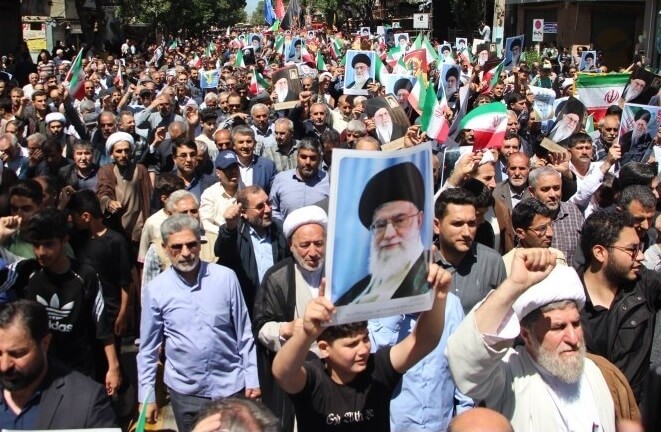
Within Tehran, state media acknowledged explosions and intermittent power cuts as residents reported widespread blasts in the city. Government officials have not yet issued a comprehensive formal statement on the strikes, but Iranian military sources have vowed to respond. Supreme Leader Ayatollah Ali Khamenei, who has maintained an infrequent public presence in recent weeks, previously warned that any attack on Iranian soil would spark a broader regional war, a declaration that has now been tested by unfolding events.
International reactions have been swift, with a range of capitals expressing deep concern at the intensification of conflict. European and Middle Eastern governments urged restraint and called for an immediate cessation of hostilities, stressing that escalation could destabilise energy markets and exacerbate humanitarian suffering. Global markets reacted nervously to the news, with oil prices fluctuating sharply as traders weighed the implications of a wider Middle East confrontation.
Analysts warn that the United States and its allies face a complex operational environment, with potential involvement from Iranian proxy groups in Lebanon and Iraq. Hezbollah’s leadership has signalled they would abstain from entering the conflict unless key red lines, such as threats to Iran’s supreme leadership, were crossed. Still, the risk of a protracted and multifront conflict persists, particularly as cross-border tensions could draw in other regional actors.
The article Trump says US begins combat operations in Iran appeared first on Arabian Post.
What's Your Reaction?