

















Beyond Burj Khalifa: Dubai tour guides reveal hidden attractions, authentic tourism experiences
For many visitors, a trip to Dubai isn’t complete without a photo of the Burj Khalifa. But beyond the glittering facade of the world’s tallest building lies a rich tapestry of history, culture, and hidden attractions that a new generation of tour guides is determined to reveal. These cultural ambassadors are steering tourists away from the familiar spectacle and towards authentic experiences that tell the true story of the emirate.This shift towards authentic tourism is championed by guides like Mohammed Kazim, an Emirati from a family with deep roots in the Al Fahidi Historical Neighbourhood. Mohammed KazimFor him, guiding is not just a profession but a responsibility. “My journey as a tour guide began in 2018, after overhearing a guide in an old Dubai market sharing inaccurate information about Emiratis and our culture,” said Kazim, co-founder of the cultural platform Tamashee. “I realised that if we don’t take ownership of our narrative, even well-intentioned people may misrepresent our history and values.”Kazim now guides VVIPs and institutions through heritage districts, archaeological sites, and old agricultural systems, focusing on how the mindset of old Dubai paved the way for its current success. “This city did not emerge overnight because of oil,” he explained. “It is the result of a long, thoughtful process rooted in trade, openness, and adaptation.”Mohammed KazimUnderstanding Dubai’s true heritageDubai was historically called Al-Wasl, meaning “the meeting place,” a name that reflected a reality where people from mountains, deserts, coasts, oases, and distant shores converged. “Diversity was not a slogan, it was a necessity,” he noted. “The ability to manage difference became a cultural skill.”This historical mindset shaped everything from the souks to the urban fabric and architecture. “I try to show how this mindset shaped everything: the souks, the urban fabric, the architecture, and eventually the birth of modern Dubai,” he said. “I focus on the functionality and mindset of people in earlier times and the struggles they faced. How did they make survival possible in such harsh landscapes? How did they build systems of trust, trade, and coexistence?”Correcting myths, building bridgesPriyanka Zielinski, founder of Dubai by Foot, echoes this sentiment. An Indian-American who moved to Dubai over a decade ago, she was inspired to share the “hidden stories that most visitors may never discover.” She frequently encounters misconceptions, particularly the idea that all Emiratis are wealthy and don’t need to work. Priyanka Zielinski“This often prevents visitors from seeing Emiratis as the hardworking, ambitious people they truly are,” Zielinski said. “I make it a point to clarify that Emiratis don’t get handouts; they work full-time jobs across every sector, and they’ve built successful careers through education and dedication, not just oil wealth.”Another common myth she addresses is gender equality. “Many are surprised to learn that the UAE government ensures equal representation with 20 seats allocated for women out of 40 in the Federal National Council, reflecting the nation’s genuine commitment to empowering women in leadership,” she added.Zielinski emphasises the importance of understanding Emirati resilience and grit. “What I find most crucial to share with visitors is the extraordinary resilience and grit of the Emirati people,” she explained.“From the harsh realities of Bedouin desert life to the dangerous depths of pearl diving, Emiratis have always demonstrated remarkable adaptability and determination in the face of adversity. When the pearl industry diminished, they pivoted to trade; when oil was discovered, they had the foresight not to depend on it forever, but instead to diversify and build a future-ready economy in education, tourism, technology, and innovation.” Hidden gems beyond the mainstreamBeyond the iconic attractions, Zielinski loves taking visitors to Alserkal Avenue, Dubai’s thriving arts district where contemporary creativity meets local and international talent. “One of my most cherished experiences is bringing guests to Wadi Al Amardi, an authentic Emirati farm run by the inspiring Ghazal Saeed, where visitors can connect with traditional agricultural practices, taste fresh local produce, and understand the deep relationship Emiratis have with the land despite the desert environment,” she said.For culinary immersion, Al Fanar restaurant is her go-to for introducing guests to genuine Emirati cuisine in a nostalgic 1960s setting that beautifully honours the pre-oil era. “These experiences are special because they reveal the soul of Dubai, not only its ambition and modernity, but its deep commitment to culture, heritage, and bringing people together,” Pri noted.Culture through foodFor Arva Ahmed, founder of Frying Pan Adventures, food is the ultimate bridge to understanding. “Food plays a huge role in this because it’s the most immediate and relatable way for people to connec
For many visitors, a trip to Dubai isn’t complete without a photo of the Burj Khalifa. But beyond the glittering facade of the world’s tallest building lies a rich tapestry of history, culture, and hidden attractions that a new generation of tour guides is determined to reveal. These cultural ambassadors are steering tourists away from the familiar spectacle and towards authentic experiences that tell the true story of the emirate.
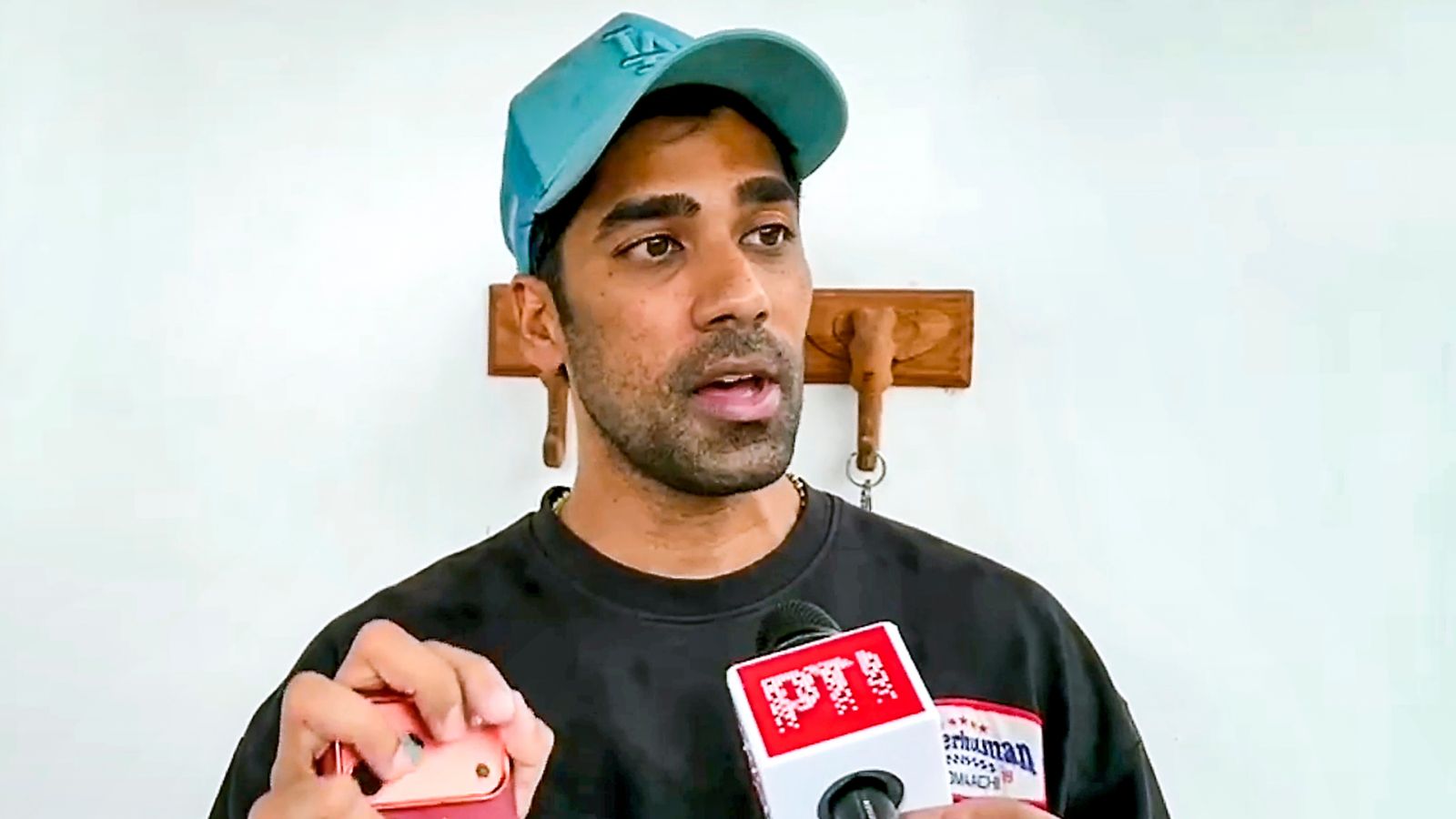
This shift towards authentic tourism is championed by guides like Mohammed Kazim, an Emirati from a family with deep roots in the Al Fahidi Historical Neighbourhood. Mohammed Kazim
For him, guiding is not just a profession but a responsibility. “My journey as a tour guide began in 2018, after overhearing a guide in an old Dubai market sharing inaccurate information about Emiratis and our culture,” said Kazim, co-founder of the cultural platform Tamashee. “I realised that if we don’t take ownership of our narrative, even well-intentioned people may misrepresent our history and values.”
Kazim now guides VVIPs and institutions through heritage districts, archaeological sites, and old agricultural systems, focusing on how the mindset of old Dubai paved the way for its current success. “This city did not emerge overnight because of oil,” he explained. “It is the result of a long, thoughtful process rooted in trade, openness, and adaptation.” Mohammed Kazim
Understanding Dubai’s true heritage
Dubai was historically called Al-Wasl, meaning “the meeting place,” a name that reflected a reality where people from mountains, deserts, coasts, oases, and distant shores converged. “Diversity was not a slogan, it was a necessity,” he noted. “The ability to manage difference became a cultural skill.”
This historical mindset shaped everything from the souks to the urban fabric and architecture. “I try to show how this mindset shaped everything: the souks, the urban fabric, the architecture, and eventually the birth of modern Dubai,” he said. “I focus on the functionality and mindset of people in earlier times and the struggles they faced. How did they make survival possible in such harsh landscapes? How did they build systems of trust, trade, and coexistence?”
Correcting myths, building bridges
Priyanka Zielinski, founder of Dubai by Foot, echoes this sentiment. An Indian-American who moved to Dubai over a decade ago, she was inspired to share the “hidden stories that most visitors may never discover.” She frequently encounters misconceptions, particularly the idea that all Emiratis are wealthy and don’t need to work. Priyanka Zielinski
“This often prevents visitors from seeing Emiratis as the hardworking, ambitious people they truly are,” Zielinski said. “I make it a point to clarify that Emiratis don’t get handouts; they work full-time jobs across every sector, and they’ve built successful careers through education and dedication, not just oil wealth.”
Another common myth she addresses is gender equality. “Many are surprised to learn that the UAE government ensures equal representation with 20 seats allocated for women out of 40 in the Federal National Council, reflecting the nation’s genuine commitment to empowering women in leadership,” she added.
Zielinski emphasises the importance of understanding Emirati resilience and grit. “What I find most crucial to share with visitors is the extraordinary resilience and grit of the Emirati people,” she explained.
“From the harsh realities of Bedouin desert life to the dangerous depths of pearl diving, Emiratis have always demonstrated remarkable adaptability and determination in the face of adversity. When the pearl industry diminished, they pivoted to trade; when oil was discovered, they had the foresight not to depend on it forever, but instead to diversify and build a future-ready economy in education, tourism, technology, and innovation.”
Hidden gems beyond the mainstream
Beyond the iconic attractions, Zielinski loves taking visitors to Alserkal Avenue, Dubai’s thriving arts district where contemporary creativity meets local and international talent. “One of my most cherished experiences is bringing guests to Wadi Al Amardi, an authentic Emirati farm run by the inspiring Ghazal Saeed, where visitors can connect with traditional agricultural practices, taste fresh local produce, and understand the deep relationship Emiratis have with the land despite the desert environment,” she said.
For culinary immersion, Al Fanar restaurant is her go-to for introducing guests to genuine Emirati cuisine in a nostalgic 1960s setting that beautifully honours the pre-oil era. “These experiences are special because they reveal the soul of Dubai, not only its ambition and modernity, but its deep commitment to culture, heritage, and bringing people together,” Pri noted.
Culture through food
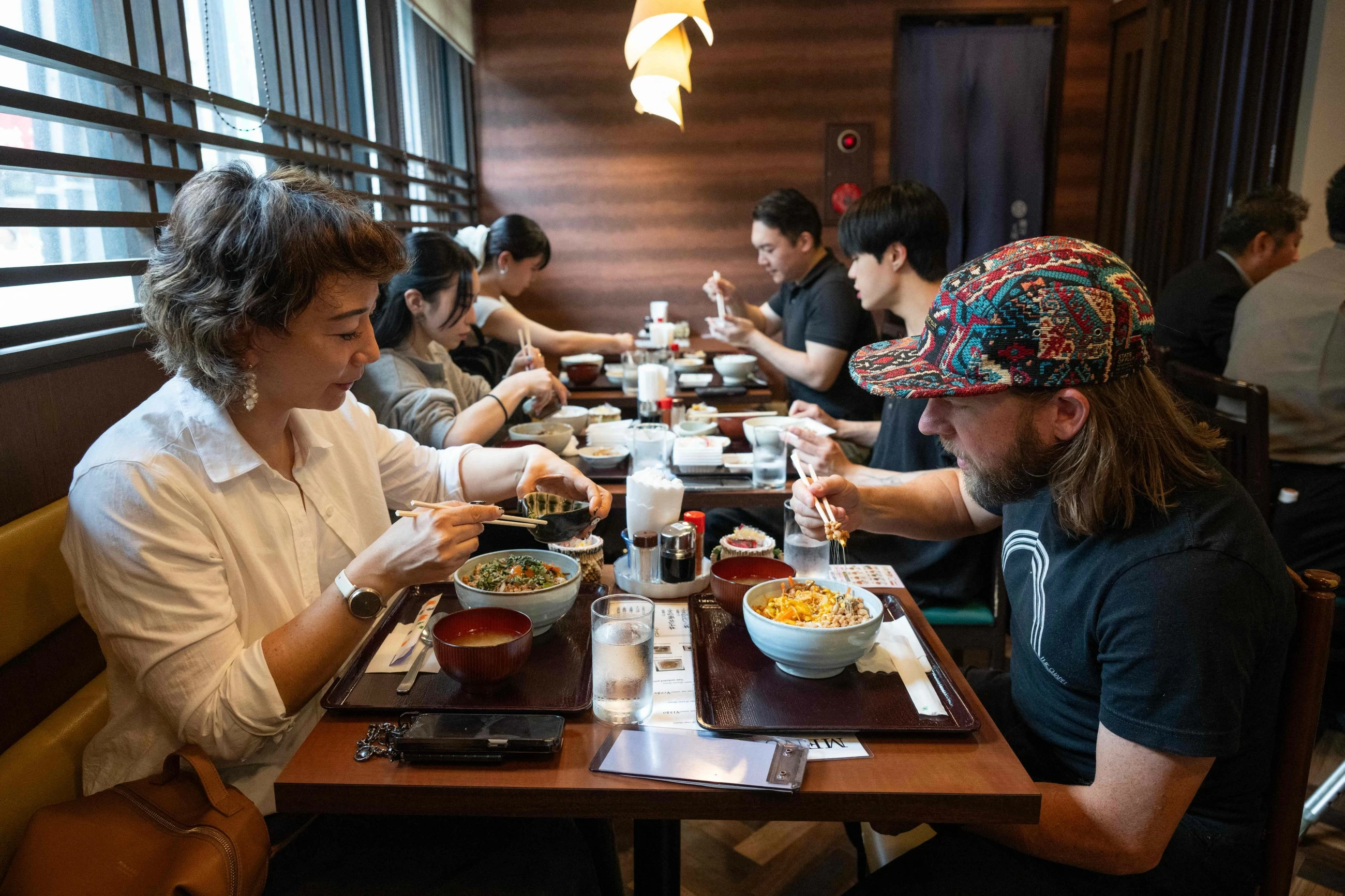
For Arva Ahmed, founder of Frying Pan Adventures, food is the ultimate bridge to understanding. “Food plays a huge role in this because it’s the most immediate and relatable way for people to connect,” said Ahmed, who specialises in food tours through the city’s lesser-known culinary landscapes. “It’s often the first point of understanding, because food is a universal language.” Arva Ahmed
Ahmed focuses on celebrating the food stories of the lesser-known parts of the city. “What inspired me was the sheer diversity of food cultures in Dubai. We are truly at the crossroads of different cultures, and as a tour guide, that’s the story I wanted to showcase,” she explained.
Through food, Ahmed addresses misconceptions about Emirati culture. “Many visitors assume all Emiratis are wealthy, detached, or living in an ivory-tower reality. Viewing the culture through food helps dismantle that quickly. It makes the culture more accessible and human. There’s also a misconception that women are not respected. When visitors see the role women play in government, business, and everyday life, it’s often a real eye-opener,” Ahmed said.
A new generation of guides
Behind this movement is a robust training framework. The Dubai College of Tourism (DCT) is celebrating five years of its online Dubai Tour Guide Programme, which has licensed over 2,400 guides from more than 50 nationalities.
The 100 per cent online, flexible course, available in English and Mandarin, equips residents with the knowledge to become official cultural ambassadors.
“Tour guides play an important role in bringing Dubai’s character to life,” said Mariam Sultan Al Maeeni, Vice President at DCT.
The program aligns with the D33 economic agenda to make Dubai the world’s best city to visit, live, and work in. It has proven crucial in supporting the city’s booming tourism sector, which welcomed 17.55 million international visitors from January to November 2025.
The challenge of depth
The biggest challenge for these guides remains time and perception. “Depth requires slowing down,” Kazim noted. “Many visitors are conditioned to consume cities quickly. Taking them beyond the surface requires unlearning that rhythm.”
Another challenge is perception. “Heritage is often marketed as secondary to spectacle. Convincing people that an old irrigation system or a forgotten settlement can be as powerful as a skyline takes careful patience and storytelling,” Kazim explained.
Zielinski acknowledges the challenge of gaining visitor trust and managing time constraints. “Honestly, I feel incredibly blessed because the biggest challenge, gaining visitor trust, has been largely overcome through the reputation we’ve built over the years” she said.
She added, “Time constraints are another reality — most visitors have limited days in Dubai, so we need to strategically balance their must-see list with those authentic, off-the-beaten-path moments without making them feel rushed or like they’re missing out. The third challenge is simply awareness. Many people don’t even know that places like traditional Emirati farms, local art districts, or heritage neighbourhoods exist, so part of our role is to educate and inspire them before they even book.”
Yet, the rewards are profound. By reframing expectations from spectacle to structure, these guides are fostering a deeper, more meaningful connection between visitors and the city. “When it works, it changes how people see not just Dubai, but the region as a whole,” Kazim said. “That is why I like doing this work, helping them discover and understand Dubai as a wonderful, dynamic ecosystem that is constantly evolving while being firmly rooted in its past.”
What's Your Reaction?