



























Ramadan in India: Hyderabad comes alive with the aroma of Haleem
In the vast sprawling area around Charminar, there are large gatherings and the roads are off limits for vehicles. The illuminated Charminar, of course, dominates the night, but other areas are also vibrant. The aroma of food spreads in the neighbourhood and the most popular is ‘Hyderabadi Haleem’.A dish that takes nearly 12 hours to prepare, Haleem is the favourite during Ramadan. There are long queues outside many of the restaurants that offer Haleem. Many visitors also stand by the roadside eateries, enjoying the food at night.Several ingredients go into the making of Haleem; they include almonds, basmati rice, black pepper, cardamom, cinnamon, cloves, cumin, dals, garlic, green chillies, ghee, onions, wheat and of course, mutton.Stay up to date with the latest news. Follow KT on WhatsApp Channels. The entire process of churning out Haleem takes almost 12 hours. Chefs can be seen working on ‘bhattis’ (brick and mud ovens) in several places across Hyderabad during Ramadan, busy preparing the delicious dish in massive vessels, which are kept on traditional ovens.Perfect bite. Hyderabadi Haleem takes nearly 12 hours to prepareOriginally an Arabic dish, it became popular in India over the past few hundred years. The addition of spices, dry fruits and other locally-sourced ingredients has transformed Haleem, especially in Hyderabad, to a legendary status.During the holy month, Haleem is available everywhere in Hyderabad – from small eateries, to restaurants and even in starred hotels. Cooks start preparing the much-sought-after (while breaking the fast) delicacy from early morning in Hyderabad. And as afternoon approaches, the employees prepare haleem in packets.In 2010, the Hyderabadi Haleem emerged as the first meat product in India to get the Geographical Indication status by the India GI registry office. Sanjeev Kapoor, the eminent chef and TV show host, in his book ‘Royal Hyderabadi Cooking’ said the preparation of haleem has become an art form.Moving around HyderabadAs the sun sets during Ramadan, there’s a dramatic change in the city. Temperatures dip and walking around the iconic Charminar monument is an experience all by itself. It’s the most favourite spot even during the rest of the year, but during Ramadan it comes alive.Other neighbourhoods in Hyderabad also turn colourful, as shops sell interesting stuff till well past midnight. Laad (or Choodi) bazaar is a historic market near Charminar. It was established in the 1590s and is renowned for its lacquer bangles, pearls, bridal wear and attar (perfumes). People also throng the several historic mosques in Hyderabad, many of which are within walking distance from the bazaars and crowded areas. Mohammed Sibghatullah KhanMohammed Sibghatullah Khan is just 25, and over the past five years, he has been actively moving around the various spots in Hyderabad, the capital of the southern Indian state of Telangana, during Ramadan at night.‘We do a lot of walking tours during Ramadan, and taking our guests around interesting places for nearly three hours till early morning,” he told Khaleej Times.An architect, researcher and writer, Khan explores the history, architecture, and urban heritage in Hyderabad and the Deccan region. He shared: “My research engages with the ways cities evolve over time, the pressures of modern development, and the preservation— and often erasure —of historic urban landscapes.”Khan is founder of The Deccan Archive, a public history initiative that documents, interprets, and shares the cultural and architectural legacy of the Deccan.Among the guests who join him on these walks around Hyderabad at night are Indians from across the country, Gulf-based and other NRIs, besides many foreigners. Khan has also been invited to present and collaborate with academic and cultural institutions in India and abroad, with interests spanning Islamic art and architecture, urban history, and public engagement with heritage.Other areas that attract a lot of people include Old City, Tolichowki, Mallepally, Nampally and other neighbourhoods. Tolichowki has its old-world charm and the shops have on offer a range of products from traditional ethnic wear to modern dresses. Shoppers look for bangles, burqas, cosmetics, clothes and footwear at Mallepally.
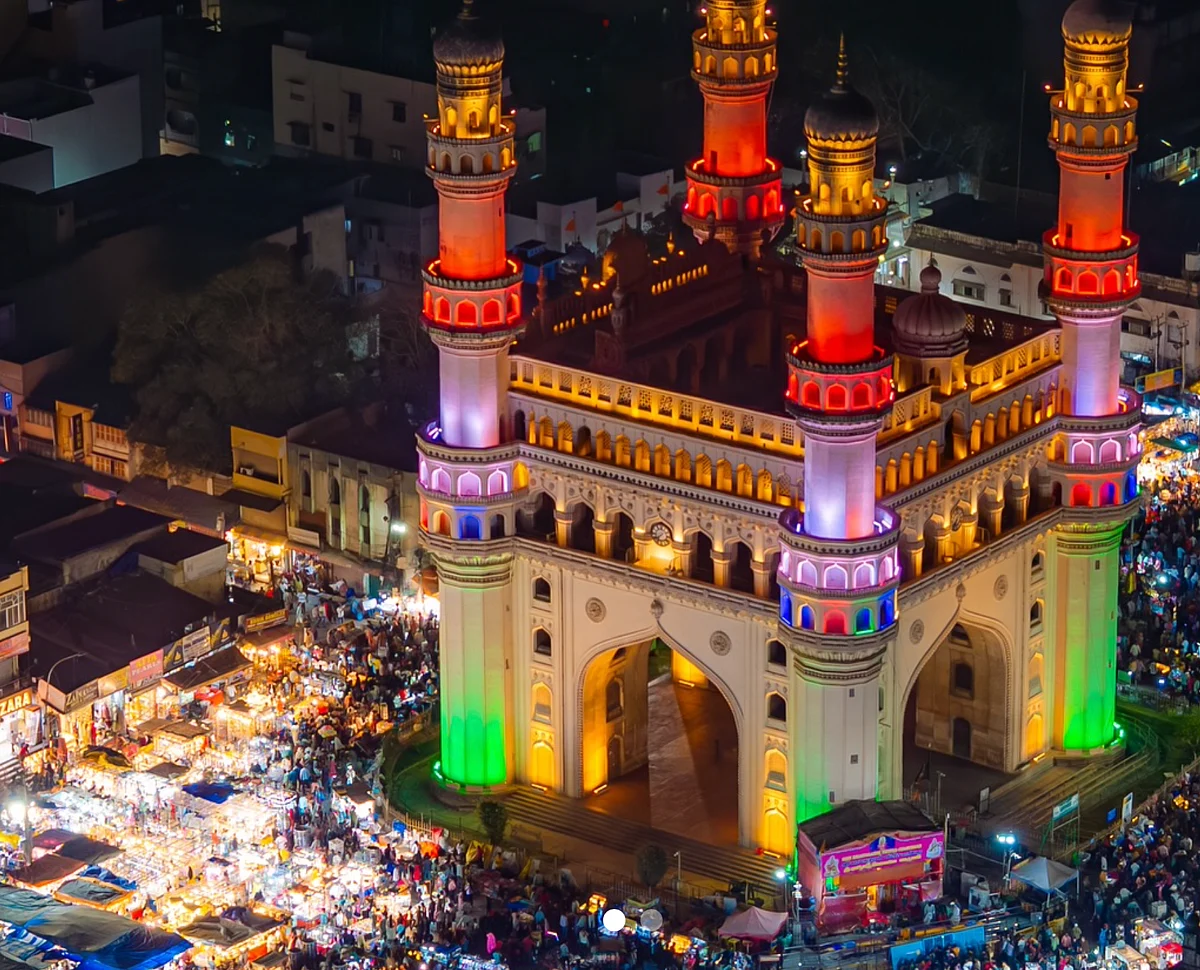
In the vast sprawling area around Charminar, there are large gatherings and the roads are off limits for vehicles. The illuminated Charminar, of course, dominates the night, but other areas are also vibrant. The aroma of food spreads in the neighbourhood and the most popular is ‘Hyderabadi Haleem’.
A dish that takes nearly 12 hours to prepare, Haleem is the favourite during Ramadan. There are long queues outside many of the restaurants that offer Haleem. Many visitors also stand by the roadside eateries, enjoying the food at night.
Several ingredients go into the making of Haleem; they include almonds, basmati rice, black pepper, cardamom, cinnamon, cloves, cumin, dals, garlic, green chillies, ghee, onions, wheat and of course, mutton.
Stay up to date with the latest news. Follow KT on WhatsApp Channels.
The entire process of churning out Haleem takes almost 12 hours. Chefs can be seen working on ‘bhattis’ (brick and mud ovens) in several places across Hyderabad during Ramadan, busy preparing the delicious dish in massive vessels, which are kept on traditional ovens. Perfect bite. Hyderabadi Haleem takes nearly 12 hours to prepare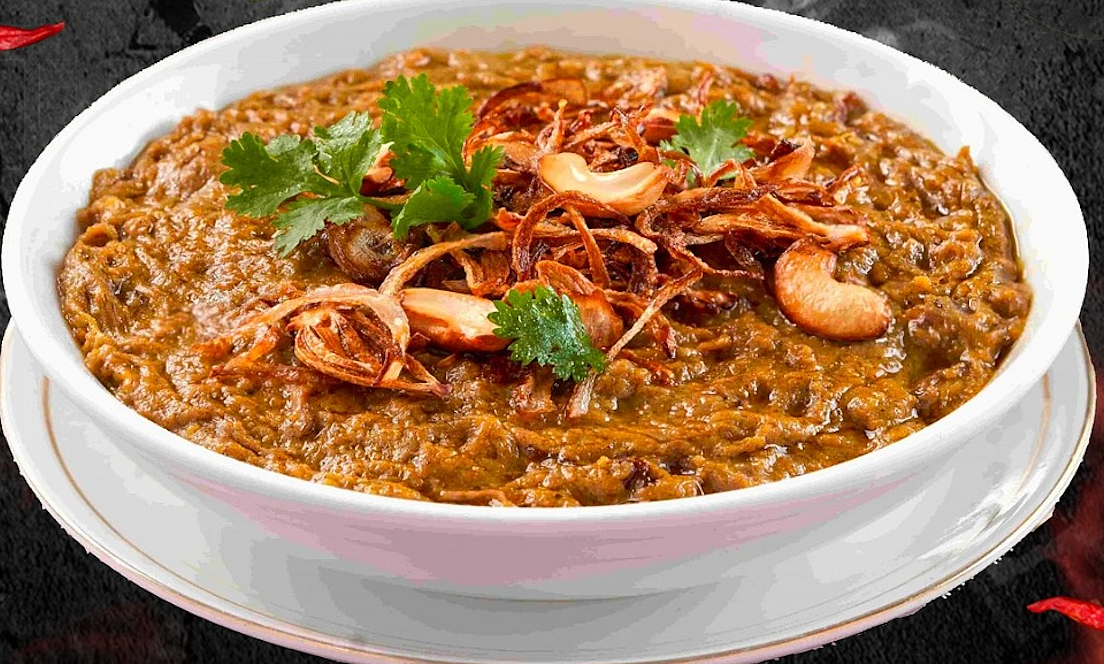
Originally an Arabic dish, it became popular in India over the past few hundred years. The addition of spices, dry fruits and other locally-sourced ingredients has transformed Haleem, especially in Hyderabad, to a legendary status.
During the holy month, Haleem is available everywhere in Hyderabad – from small eateries, to restaurants and even in starred hotels. Cooks start preparing the much-sought-after (while breaking the fast) delicacy from early morning in Hyderabad. And as afternoon approaches, the employees prepare haleem in packets.
In 2010, the Hyderabadi Haleem emerged as the first meat product in India to get the Geographical Indication status by the India GI registry office. Sanjeev Kapoor, the eminent chef and TV show host, in his book ‘Royal Hyderabadi Cooking’ said the preparation of haleem has become an art form.
Moving around Hyderabad
As the sun sets during Ramadan, there’s a dramatic change in the city. Temperatures dip and walking around the iconic Charminar monument is an experience all by itself. It’s the most favourite spot even during the rest of the year, but during Ramadan it comes alive.
Other neighbourhoods in Hyderabad also turn colourful, as shops sell interesting stuff till well past midnight. Laad (or Choodi) bazaar is a historic market near Charminar. It was established in the 1590s and is renowned for its lacquer bangles, pearls, bridal wear and attar (perfumes). People also throng the several historic mosques in Hyderabad, many of which are within walking distance from the bazaars and crowded areas. Mohammed Sibghatullah Khan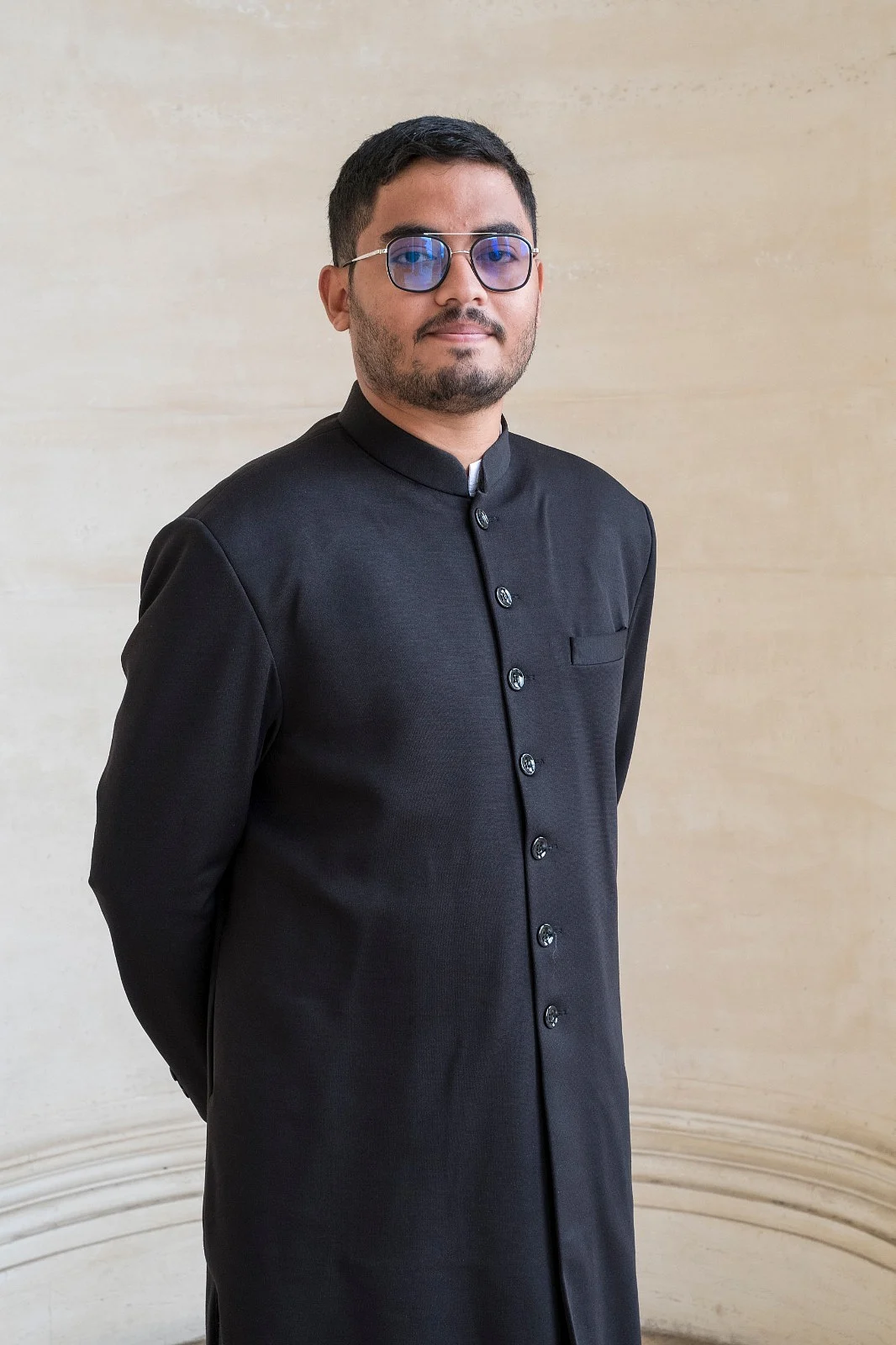
Mohammed Sibghatullah Khan is just 25, and over the past five years, he has been actively moving around the various spots in Hyderabad, the capital of the southern Indian state of Telangana, during Ramadan at night.
‘We do a lot of walking tours during Ramadan, and taking our guests around interesting places for nearly three hours till early morning,” he told Khaleej Times.
An architect, researcher and writer, Khan explores the history, architecture, and urban heritage in Hyderabad and the Deccan region. He shared: “My research engages with the ways cities evolve over time, the pressures of modern development, and the preservation— and often erasure —of historic urban landscapes.”
Khan is founder of The Deccan Archive, a public history initiative that documents, interprets, and shares the cultural and architectural legacy of the Deccan.
Among the guests who join him on these walks around Hyderabad at night are Indians from across the country, Gulf-based and other NRIs, besides many foreigners. Khan has also been invited to present and collaborate with academic and cultural institutions in India and abroad, with interests spanning Islamic art and architecture, urban history, and public engagement with heritage.
Other areas that attract a lot of people include Old City, Tolichowki, Mallepally, Nampally and other neighbourhoods. Tolichowki has its old-world charm and the shops have on offer a range of products from traditional ethnic wear to modern dresses. Shoppers look for bangles, burqas, cosmetics, clothes and footwear at Mallepally.
What's Your Reaction?