



























Cubans battle deepening crisis amid worsening shortages
Daily life across Cuba has become increasingly precarious as prolonged power cuts, dwindling fuel supplies and unreliable access to water combine to strain households already grappling with a fragile economy. Residents in Havana and provincial cities describe a routine shaped by uncertainty, with electricity outages stretching for hours and, in some regions, extending through entire days. The disruptions have intensified following tighter constraints on oil shipments, a […]The article Cubans battle deepening crisis amid worsening shortages appeared first on Arabian Post.
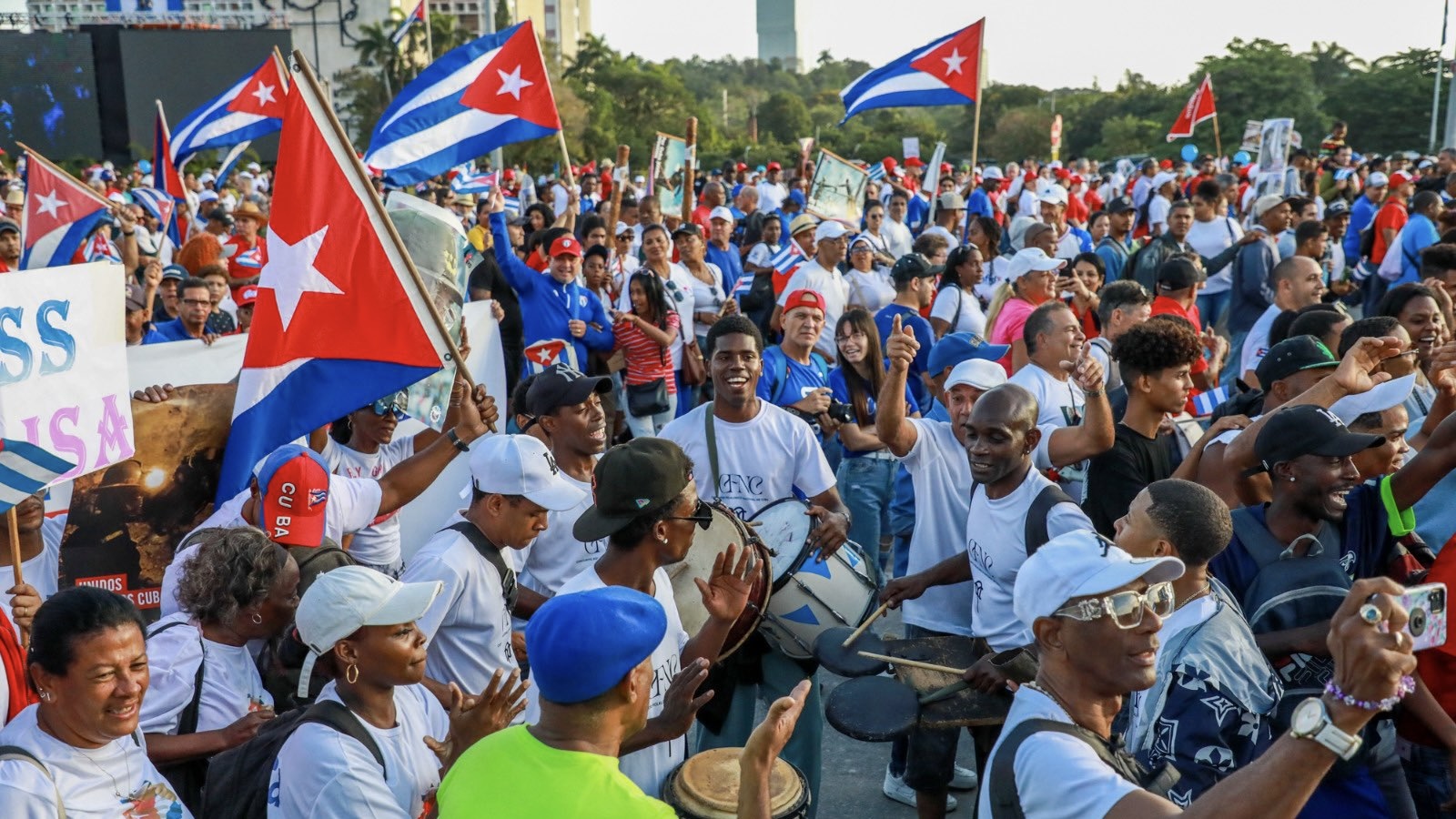
Daily life across Cuba has become increasingly precarious as prolonged power cuts, dwindling fuel supplies and unreliable access to water combine to strain households already grappling with a fragile economy.
Residents in Havana and provincial cities describe a routine shaped by uncertainty, with electricity outages stretching for hours and, in some regions, extending through entire days. The disruptions have intensified following tighter constraints on oil shipments, a development that has further weakened the island’s already stressed energy infrastructure and left authorities scrambling to maintain basic services.
Government officials have acknowledged that fuel shortages are constraining electricity generation, forcing the state utility to implement rolling blackouts. These outages have disrupted food storage, healthcare services and transport systems, amplifying public frustration. For many families, daily schedules now revolve around brief windows of electricity, used to charge phones, pump water or cook meals before the next outage.
Water scarcity has compounded the hardship. In several neighbourhoods, supply interruptions have left residents reliant on irregular tanker deliveries or improvised storage systems. Ageing infrastructure, combined with power cuts affecting pumping stations, has worsened distribution challenges. Households have reported going days without running water, forcing them to queue for limited supplies or depend on neighbours.
Fuel shortages have also rippled across the economy, affecting public transport and agricultural production. Buses have been reduced or cancelled, leaving commuters stranded or reliant on informal transport at higher costs. Farmers, meanwhile, face difficulties accessing diesel needed for machinery and irrigation, raising concerns about food output and availability in local markets.
Economic pressures have been building over several years, but tighter restrictions on oil imports have accelerated the deterioration. Analysts note that Cuba’s reliance on imported fuel makes it particularly vulnerable to external shocks. Reduced shipments have constrained electricity generation capacity, exposing the fragility of an energy system already burdened by outdated plants and limited investment.
Authorities have sought to manage the crisis through energy-saving measures and appeals for public cooperation. State media has urged citizens to reduce consumption during peak hours, while officials have outlined plans to expand renewable energy capacity. Solar projects and small-scale generation initiatives have been highlighted as part of a longer-term strategy to reduce dependence on imported fuel.
Despite these efforts, implementation remains slow and constrained by financial limitations. Cuba’s access to international financing is restricted, complicating efforts to modernise infrastructure or secure alternative energy sources. Experts point out that while renewable projects offer potential, they cannot immediately offset the shortfall in conventional fuel supplies.
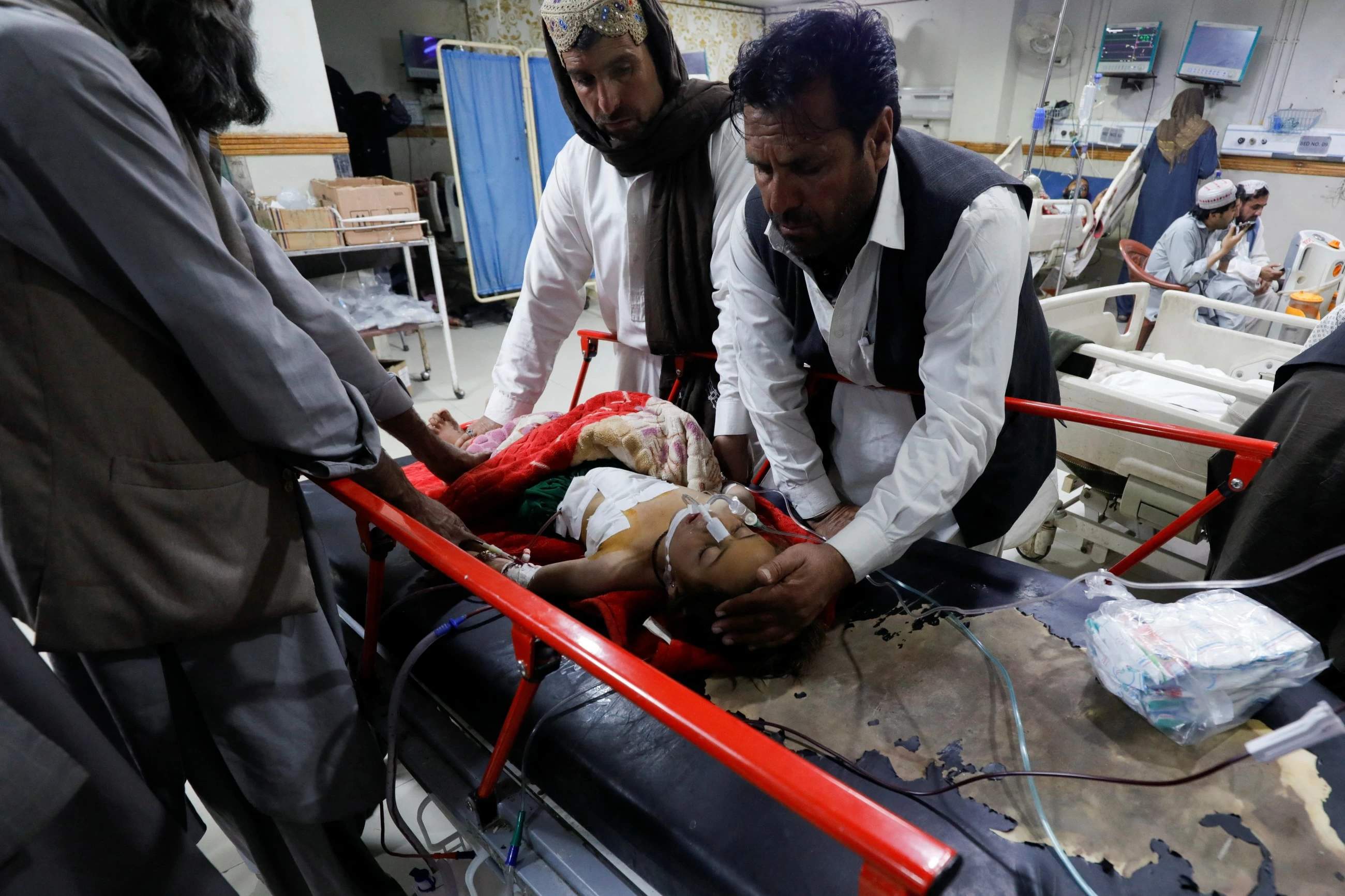
Healthcare services have also felt the impact. Hospitals have faced intermittent power disruptions, requiring backup generators to maintain critical operations. While emergency services have been prioritised, the strain on facilities has raised concerns about continuity of care, particularly in rural areas where resources are more limited.
Small businesses, which have emerged as a key component of the economy, are struggling to adapt. Owners of restaurants and shops report losses due to spoiled goods and reduced operating hours. The unpredictability of electricity supply has made it difficult to maintain consistent service, discouraging customers and increasing costs.
Public sentiment reflects a mix of resilience and fatigue. Many residents have adapted by storing water, cooking in advance and investing in alternative lighting or cooking methods where possible. However, these coping mechanisms often require resources that are not accessible to all, deepening inequalities between households.
Migration pressures have also intensified as economic conditions worsen. The combination of limited opportunities, persistent shortages and declining living standards has prompted many to seek options abroad, contributing to demographic shifts and labour shortages within the country.
The broader geopolitical context continues to shape the crisis. Restrictions affecting fuel supplies have tightened external constraints, limiting the government’s ability to stabilise energy provision. At the same time, domestic structural challenges, including inefficiencies in state-run enterprises and infrastructure decay, have compounded the impact.
The article Cubans battle deepening crisis amid worsening shortages appeared first on Arabian Post.
What's Your Reaction?