

















Indian LPG carriers steer close to Iran
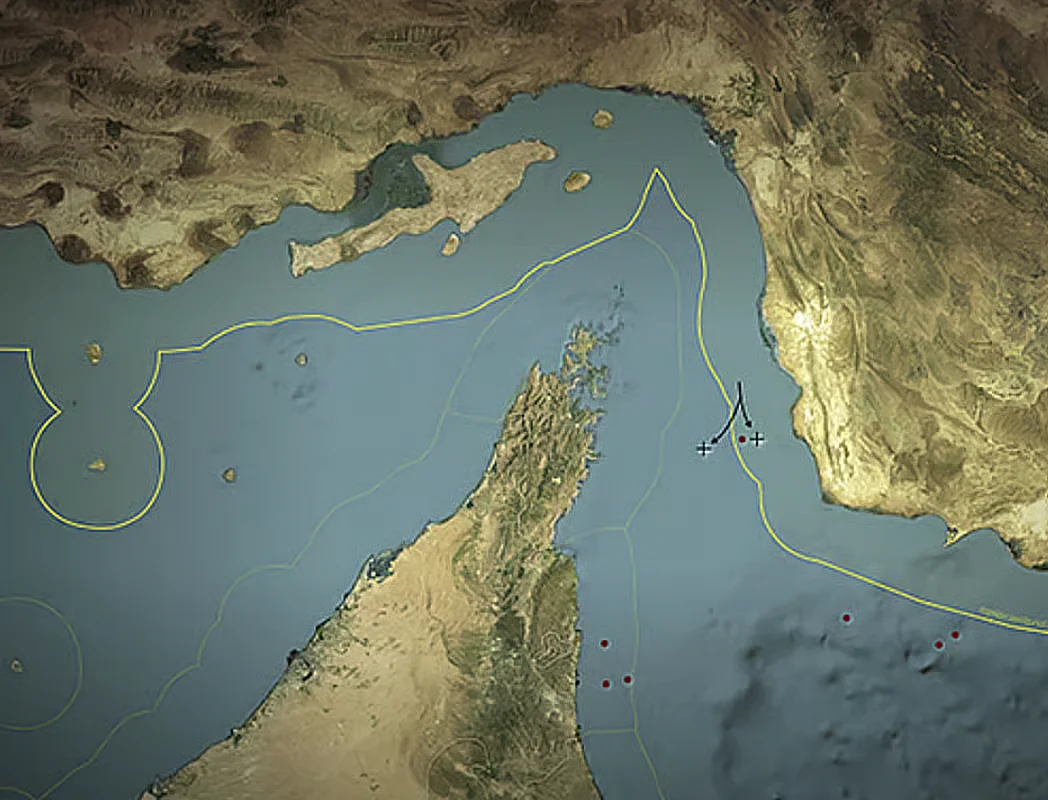
Two Indian-flagged liquefied petroleum gas carriers are navigating the Strait of Hormuz along a route close to Iran’s coastline, according to ship-tracking data, underscoring a cautious approach by operators as geopolitical tensions continue to shape shipping decisions in one of the world’s most critical energy corridors.The vessels, loaded with LPG cargoes, are following a path similar to that taken by earlier ships that received clearance to transit the narrow waterway. Industry observers say hugging the Iranian side of the strait may reflect efforts to minimise exposure to potential risks amid heightened scrutiny of maritime movements in the region. The Strait of Hormuz, through which a significant share of global oil and gas exports passes, has long been vulnerable to disruption during periods of political friction.Shipping analysts note that the altered routing strategy has become more visible as operators weigh safety considerations against the need to maintain steady energy flows. The decision to steer closer to Iran’s coast does not necessarily indicate a change in official navigation guidelines but highlights the adaptability of commercial shipping in response to perceived threats. Maritime insurers and charterers have been closely monitoring developments, with premiums and risk assessments adjusting in line with evolving conditions.India’s reliance on imported LPG has grown steadily over the past decade, driven by expanding domestic consumption and government-backed programmes aimed at increasing access to cleaner cooking fuels. As a result, uninterrupted maritime supply chains are critical for meeting demand. The movement of Indian-flagged vessels through Hormuz carries added significance given the country’s position as a major energy importer and its exposure to volatility in global shipping lanes.The route taken by these vessels follows earlier transits that were understood to have been cleared through established maritime coordination channels. While no formal restrictions have been imposed on passage through the strait, heightened alert levels in surrounding waters have prompted shipowners to adopt precautionary measures. These include adjustments to sailing speeds, increased onboard vigilance, and coordination with naval authorities in the region.Tensions in West Asia have periodically raised concerns about the security of shipping through Hormuz. Episodes involving vessel seizures, drone activity, and naval manoeuvres have reinforced the strategic sensitivity of the waterway. Although large-scale disruptions have been avoided, even limited incidents can have ripple effects across global energy markets, influencing freight rates, insurance costs, and delivery schedules.Market participants indicate that LPG shipments have remained largely uninterrupted, but logistical complexities have increased. Charter rates for gas carriers have shown signs of volatility, reflecting both demand dynamics and risk premiums associated with transiting high-risk zones. Traders and refiners are factoring in longer voyage times and potential delays when planning cargo movements.Officials and industry executives emphasise that international maritime law guarantees freedom of navigation through straits used for international transit, including Hormuz. However, the practical execution of that principle often depends on the prevailing security environment. Naval patrols by regional and international forces continue to play a role in deterring threats and ensuring safe passage for commercial vessels.Energy analysts point out that India sources LPG from multiple suppliers, including producers in West Asia and beyond, making the Hormuz route indispensable. Any sustained disruption could have implications for domestic supply chains, pricing, and inventory management. At the same time, diversification strategies, including alternative sourcing and storage capacity expansion, are being explored to mitigate potential risks.The movement of the two LPG carriers also reflects broader trends in global shipping behaviour, where operators increasingly rely on real-time intelligence and data analytics to inform routing decisions. Advances in vessel tracking and communication technologies have enhanced situational awareness, enabling more responsive navigation strategies in sensitive regions.Shipping companies have also strengthened coordination with flag states and port authorities to ensure compliance with safety advisories and regulatory requirements. Crew training and contingency planning have gained prominence, with a focus on preparedness for a range of scenarios, from mechanical issues to security incidents.The article Indian LPG carriers steer close to Iran appeared first on Arabian Post.

The vessels, loaded with LPG cargoes, are following a path similar to that taken by earlier ships that received clearance to transit the narrow waterway. Industry observers say hugging the Iranian side of the strait may reflect efforts to minimise exposure to potential risks amid heightened scrutiny of maritime movements in the region. The Strait of Hormuz, through which a significant share of global oil and gas exports passes, has long been vulnerable to disruption during periods of political friction.
Shipping analysts note that the altered routing strategy has become more visible as operators weigh safety considerations against the need to maintain steady energy flows. The decision to steer closer to Iran’s coast does not necessarily indicate a change in official navigation guidelines but highlights the adaptability of commercial shipping in response to perceived threats. Maritime insurers and charterers have been closely monitoring developments, with premiums and risk assessments adjusting in line with evolving conditions.
India’s reliance on imported LPG has grown steadily over the past decade, driven by expanding domestic consumption and government-backed programmes aimed at increasing access to cleaner cooking fuels. As a result, uninterrupted maritime supply chains are critical for meeting demand. The movement of Indian-flagged vessels through Hormuz carries added significance given the country’s position as a major energy importer and its exposure to volatility in global shipping lanes.
The route taken by these vessels follows earlier transits that were understood to have been cleared through established maritime coordination channels. While no formal restrictions have been imposed on passage through the strait, heightened alert levels in surrounding waters have prompted shipowners to adopt precautionary measures. These include adjustments to sailing speeds, increased onboard vigilance, and coordination with naval authorities in the region.
Tensions in West Asia have periodically raised concerns about the security of shipping through Hormuz. Episodes involving vessel seizures, drone activity, and naval manoeuvres have reinforced the strategic sensitivity of the waterway. Although large-scale disruptions have been avoided, even limited incidents can have ripple effects across global energy markets, influencing freight rates, insurance costs, and delivery schedules.
Market participants indicate that LPG shipments have remained largely uninterrupted, but logistical complexities have increased. Charter rates for gas carriers have shown signs of volatility, reflecting both demand dynamics and risk premiums associated with transiting high-risk zones. Traders and refiners are factoring in longer voyage times and potential delays when planning cargo movements.
Officials and industry executives emphasise that international maritime law guarantees freedom of navigation through straits used for international transit, including Hormuz. However, the practical execution of that principle often depends on the prevailing security environment. Naval patrols by regional and international forces continue to play a role in deterring threats and ensuring safe passage for commercial vessels.
Energy analysts point out that India sources LPG from multiple suppliers, including producers in West Asia and beyond, making the Hormuz route indispensable. Any sustained disruption could have implications for domestic supply chains, pricing, and inventory management. At the same time, diversification strategies, including alternative sourcing and storage capacity expansion, are being explored to mitigate potential risks.
The movement of the two LPG carriers also reflects broader trends in global shipping behaviour, where operators increasingly rely on real-time intelligence and data analytics to inform routing decisions. Advances in vessel tracking and communication technologies have enhanced situational awareness, enabling more responsive navigation strategies in sensitive regions.
Shipping companies have also strengthened coordination with flag states and port authorities to ensure compliance with safety advisories and regulatory requirements. Crew training and contingency planning have gained prominence, with a focus on preparedness for a range of scenarios, from mechanical issues to security incidents.
The article Indian LPG carriers steer close to Iran appeared first on Arabian Post.
What's Your Reaction?