






















Dubai Municipality to test for presence of insects in food products
Dubai Municipality to test for presence of insects in food products
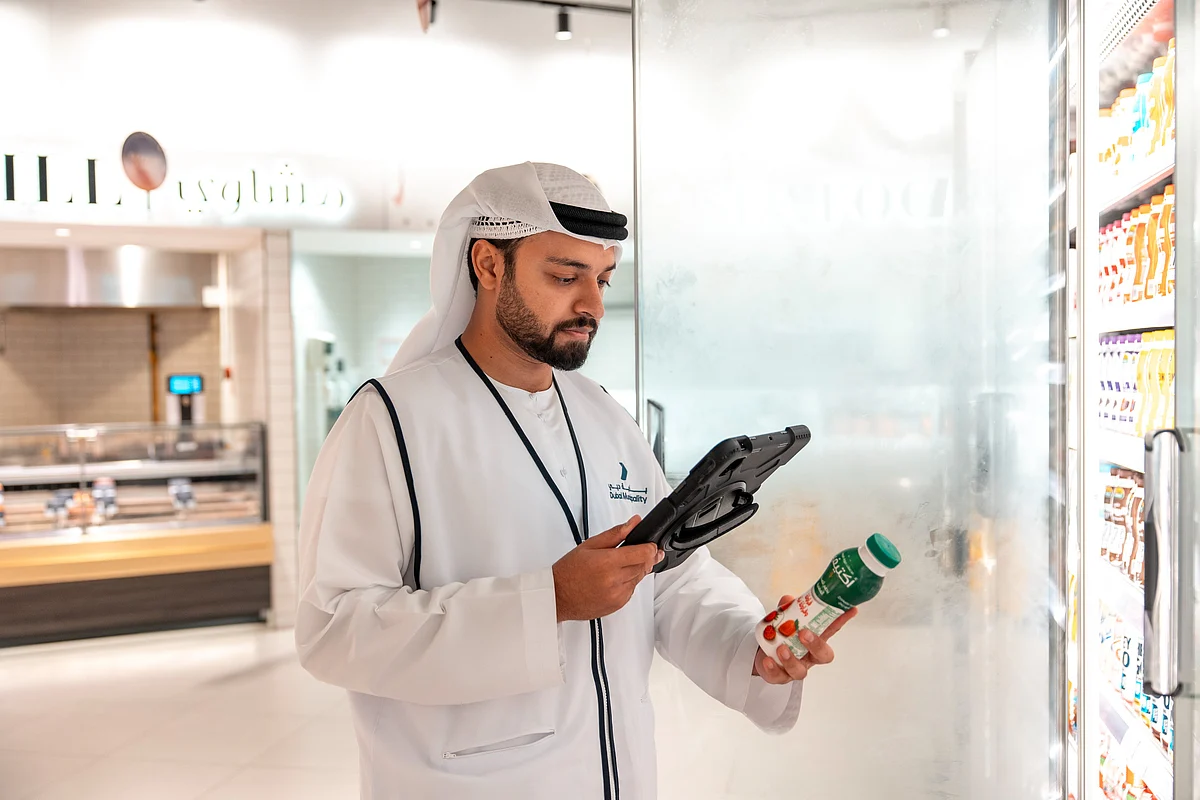
Dubai Municipality has expanded the capabilities of its laboratories to test for novel food products, including insects, which are increasingly being explored globally as alternative protein sources. This was one of the new initiatives unveiled by Dubai Municipality at Gulfood 2026. In addition to this, the civic body also unveiled more details about the Emirati honey fingerprint project as well as a future foresight map which will help in predicting issues that could impact import.
While the Food and Agriculture Organization (FAO) has identified insects as a promising and sustainable source of protein, Dubai Municipality said the new testing capability is aimed at ensuring transparency and protecting consumers’ right to clearly know what their food contains.
The testing will allow inspectors to detect, identify and report the presence of insects in food products, including non-halal varieties such as mealworms, crickets, beetles and worms. Officials said the initiative will help ensure accurate labelling, support food safety standards and uphold halal compliance in the local market.
Stay up to date with the latest news. Follow KT on WhatsApp Channels.
Dr Naseem Mohammed Rafee, CEO of the Environment, Health, and Safety Agency at Dubai Municipality, said that the main aim of the civic body was to support the food sector with the latest technologies. “We have released the pilot of the augmented reality glasses, which will help inspectors check goods at ports virtually,” she said. “The inspector will be in the office and the Person in Charge (PIC) can walk around the warehouse with the smart glasses. The inspector can check anything from temperature to certificates to the barcode using these smart glasses.”
Emirati honey fingerprint project
This initiative will establish a reference database for local honey to help verify the authenticity and quality of the honey. The agreement for this project was signed with the Hatta Traders Council at the Honey Festival last month.
It relies on collecting reference sample directly from apiaries and applying multiple analytical techniques, linking the results to an intelligent data system that supports traceability, verification, and decision-making. The database will be based on advanced scientific analysis to determine the physical, chemical, botanical, and biological characteristics of honey.
According to DM, this will enhance consumer protection, support producers, and establish a central laboratory reference in the field of honey accreditation.
Future foresight map
According to Dr. Naseem, the future foresight map allows the civic body to closely monitor all the food that is imported into the city. “For example, if we are importing a certain food item from only one country, then we know that we must expand our source countries,” she said.
The map also shows global conditions — like weather and geopolitics issues — which could impact the import of an item. “For example, when the war began in Ukraine, we were able to look for alternative source countries for some of our products from there,” she said. “This map helps us to stay ready to ensure that food import is not affected.”
What's Your Reaction?