






























Dubai Oman cargo corridor accelerates green trade
Arabian Post Staff -Dubai Dubai has activated a “Green Corridor” with ports in the Sultanate of Oman, aiming to streamline the movement of sea and air cargo while cutting transit times and reducing environmental impact across key Gulf trade routes. The initiative, announced by authorities overseeing logistics and customs operations in the emirate, is designed to enable faster clearance of goods through pre-approved procedures, digital documentation, and […]The article Dubai Oman cargo corridor accelerates green trade appeared first on Arabian Post.
Arabian Post Staff -Dubai
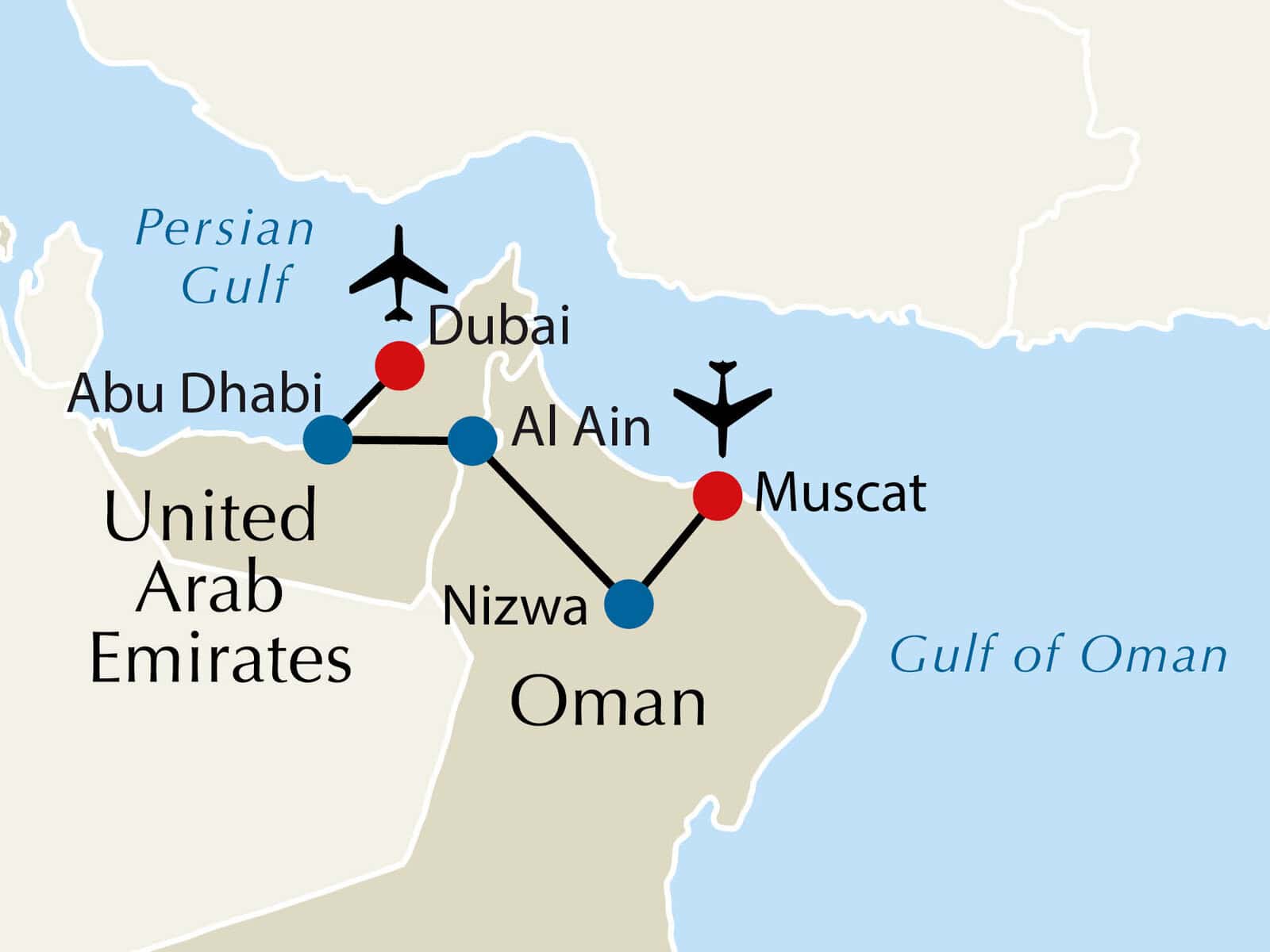
Dubai has activated a “Green Corridor” with ports in the Sultanate of Oman, aiming to streamline the movement of sea and air cargo while cutting transit times and reducing environmental impact across key Gulf trade routes.
The initiative, announced by authorities overseeing logistics and customs operations in the emirate, is designed to enable faster clearance of goods through pre-approved procedures, digital documentation, and coordinated inspections between ports and airports on both sides. Officials say the corridor will allow shipments to move with minimal stoppages, improving efficiency for exporters and importers operating between the two economies.
Dubai’s logistics ecosystem, anchored by Jebel Ali Port and Al Maktoum International Airport, has positioned itself as a regional gateway for trade linking Asia, Europe and Africa. Oman, with strategic ports such as Sohar, Duqm and Salalah, has been expanding its role as a maritime hub along global shipping lanes. The new arrangement brings these networks closer, reducing duplication in customs checks and aligning standards to ensure quicker cargo turnaround.
Authorities involved in the project indicated that the corridor integrates advanced digital platforms to share shipment data in real time. This includes pre-arrival processing, risk assessment systems and electronic verification of cargo manifests. By shifting procedures upstream, inspections can be completed before goods reach their destination, allowing shipments to pass through designated checkpoints without delay.
The environmental component of the initiative is central to its design. Officials described the corridor as part of broader efforts to promote sustainable logistics by reducing idle time for vessels and aircraft, lowering fuel consumption, and cutting emissions associated with prolonged cargo handling. The adoption of paperless trade systems is also expected to reduce administrative overheads and support environmental targets set by both governments.
Trade between Dubai and Oman has grown steadily, supported by geographic proximity and complementary economic sectors. Oman supplies minerals, petrochemicals and manufactured goods, while Dubai acts as a re-export centre for a wide range of products moving across the region. The corridor is expected to deepen this relationship by making supply chains more predictable and cost-efficient.
Logistics firms operating in the Gulf have welcomed the move, noting that time savings at ports can significantly reduce overall shipping costs. Freight forwarders say delays in documentation and inspection have long been a bottleneck in regional trade, and coordinated corridors could offer a model for wider adoption across the Gulf Cooperation Council. Some industry executives also pointed to the potential for integrating rail and road networks in future phases, linking ports more seamlessly with inland distribution centres.
Policy analysts view the development as part of a broader trend towards “green lanes” or “trusted trade corridors” seen in other global markets. These frameworks rely on mutual recognition of standards and compliance regimes, allowing low-risk shipments to move quickly while maintaining security oversight. For Gulf economies seeking to diversify beyond hydrocarbons, such measures are seen as critical to boosting non-oil trade and attracting investment in logistics and manufacturing.
Dubai has in recent years invested heavily in smart customs systems, automation and artificial intelligence to manage cargo flows. The emirate’s authorities have highlighted the role of predictive analytics in identifying high-risk shipments, enabling resources to be focused where needed while allowing compliant cargo to move freely. Oman has pursued similar modernisation efforts, particularly at Sohar Port, where public-private partnerships have driven infrastructure upgrades and digital transformation.
The corridor is also expected to support small and medium-sized enterprises by simplifying cross-border procedures. Businesses that previously faced administrative hurdles may benefit from standardised requirements and faster processing times, potentially expanding their reach into neighbouring markets. E-commerce operators, in particular, stand to gain from quicker delivery cycles and improved reliability.
Regional trade dynamics have been shaped by shifting supply chains and evolving geopolitical considerations, with Gulf states seeking to enhance resilience and reduce dependence on single routes. The Dubai-Oman corridor aligns with these objectives by offering an alternative pathway that can absorb fluctuations in global shipping patterns. It also complements ongoing efforts to strengthen intra-Gulf connectivity, including discussions around unified customs frameworks and integrated transport systems.
Officials signalled that the corridor could be expanded to include additional ports and logistics nodes, creating a network of green trade routes across the region. Such expansion would depend on further harmonisation of regulations, investment in digital infrastructure and continued cooperation between authorities.
The article Dubai Oman cargo corridor accelerates green trade appeared first on Arabian Post.
What's Your Reaction?