




























Qatar gas outage sends shockwaves through markets
Global energy markets are confronting a prolonged disruption after Qatar’s Ras Laffan liquefied natural gas complex, the largest of its kind, was forced offline following a series of strikes that analysts say could reshape supply dynamics for years. The shutdown, triggered by a drone attack attributed to Iran earlier this month and compounded by subsequent retaliatory exchanges linked to an Israeli strike on the South Pars gas […]The article Qatar gas outage sends shockwaves through markets appeared first on Arabian Post.

The shutdown, triggered by a drone attack attributed to Iran earlier this month and compounded by subsequent retaliatory exchanges linked to an Israeli strike on the South Pars gas field, has halted output from a facility central to global LNG flows. Industry estimates indicate that each week of lost production equates to energy volumes sufficient to power a major metropolitan area such as Sydney for a full year, underscoring the scale of the disruption.
Initial assessments from energy consultants and engineering firms suggest extensive structural and processing damage across key liquefaction trains, storage infrastructure and export terminals. Repair timelines are now being projected at up to five years, far exceeding earlier expectations of a shorter outage. The complexity of rebuilding cryogenic processing units, coupled with security concerns in the Gulf, is expected to delay any meaningful restoration of capacity.
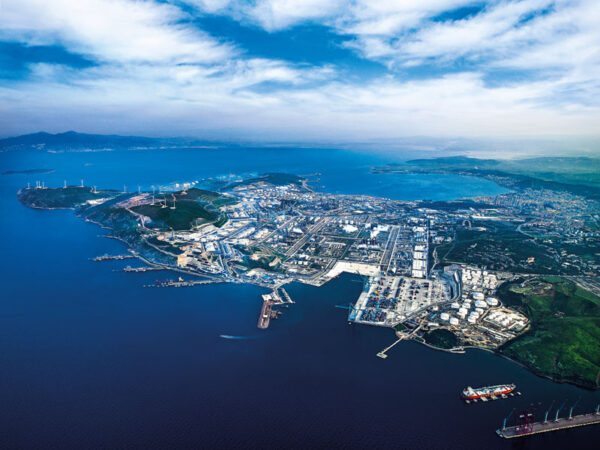
Qatar, long regarded as one of the most reliable suppliers in the LNG market, has not faced a comparable interruption in more than three decades of continuous operations. The Ras Laffan industrial city, which houses multiple LNG trains operated by state-backed entities and international partners, accounts for a substantial share of global seaborne gas exports. Its closure has already tightened supply conditions, particularly in Asia and Europe, where buyers rely heavily on Qatari cargoes to meet seasonal demand.
Market participants report that spot LNG prices have begun to reflect the tightening balance, with traders scrambling to secure alternative cargoes from the United States, Australia and West Africa. However, spare capacity remains limited, and logistical constraints are adding further strain. Shipping rates for LNG carriers have risen sharply, while regasification terminals in importing countries are facing scheduling bottlenecks.
European utilities, still navigating the aftermath of reduced pipeline supplies from Russia, are among the most exposed. Governments across the continent have accelerated contingency planning, including increased reliance on stored reserves and short-term procurement deals. Some policymakers have warned that sustained disruption could test energy security frameworks, particularly during peak winter demand periods.
Asian importers, including Japan, South Korea and emerging markets in South and Southeast Asia, are also bracing for heightened competition. Long-term contracts have provided some insulation, but the scale of the outage has raised concerns about contract fulfilment and the potential for force majeure declarations. Analysts note that any prolonged shortfall could push utilities toward more expensive spot purchases, feeding through to higher electricity costs for consumers.
Industry executives have emphasised that the situation marks a turning point in how geopolitical risk is priced into energy markets. The targeting of critical infrastructure in the Gulf has introduced a new layer of uncertainty, prompting calls for enhanced security measures and diversification of supply sources. Insurance premiums for energy assets and shipping routes in the region have already climbed, reflecting elevated risk perceptions.
At the same time, the disruption is likely to accelerate investment decisions in competing LNG projects. Developers in North America and Africa are expected to benefit from stronger price signals, while governments are reassessing the strategic importance of domestic production and storage capacity. Some analysts argue that the crisis could hasten the global shift toward alternative energy sources, though LNG is expected to remain a key transition fuel in the medium term.
Qatar’s authorities have indicated that damage assessments are ongoing, with international engineering firms being consulted on reconstruction plans. Efforts are also under way to stabilise remaining infrastructure and prevent further deterioration. Officials have not provided a definitive timeline for resuming exports, but have acknowledged the scale of the challenge.
The article Qatar gas outage sends shockwaves through markets appeared first on Arabian Post.
What's Your Reaction?