




















From underground classroom to Zayed Award: Afghan activist's fight for girls’ education
When Zarqa Yaftali speaks about education, she does so not as a distant advocate, but as someone who once sat on the floor of an underground classroom, learning in secret. “When I was a child, during 1996–2001, for the first time Taliban was in power in Afghanistan,” she told Khaleej Times. “At that time, I didn’t have the right to education, and I was at home for the time the Taliban were in Afghanistan.”What made the difference, she said, was her mother—a school principal who quietly set up an underground school for girls. “I was one of the students that I learned and my mother teached me,” Zarqa recalled. That experience would shape her life’s work.Now, decades later, Zarqa has been named one of the 2026 honourees of the Zayed Award for Human Fraternity, a global prize that recognises individuals and organisations advancing peace, dignity and coexistence through concrete action.Stay up to date with the latest news. Follow KT on WhatsApp Channels.Born in war, shaped by resistanceAfter the fall of the Taliban, Zarqa was able to accelerate her schooling and eventually attend Kabul University, where she studied law and political science. But the scars of that early deprivation stayed with her. “I was the witness of violation of women’s right during the Taliban period in Afghanistan,” she said. “All the time I thought I should be a women’s rights activist… I should provide the opportunity of education for girls in Afghanistan.”She began her career as a researcher at the Women and Children Legal Research Foundation, deliberately choosing research as a way to uncover overlooked social challenges. “I wanted to identify the challenge, the problem, that women and children are facing in Afghanistan—some kind of social challenge and problems that no one can see them, but these challenges have some kind of direct impact on the life of women and children,” she said. That research soon turned into action.100 schools, 100,000 chances for educationOver the past two decades, Zarqa has been involved in the establishment of around 100 schools across Afghanistan, providing access to education for more than 100,000 girls and young women. Her work also expanded to supporting women-led organisations and offering psychosocial support to girls and women coping with severe trauma. “Right now, because of the current situation they are facing severe kind of trauma, psychological trauma,” she said. Some of the most meaningful successes, she explained, are not measured in numbers but in leadership. “There are some close friends of mine—they were my students, they were intern in our organisation—but right now they are in a position that they are leading,” she said. “They are director of different organisation… providing the opportunity of education for girls who are inside of Afghanistan.”One story, in particular, still fills her with pride. “One of the schools, which is in a far village in one of the north provinces of Afghanistan — for the first time in this school, 10 young girls graduated and they passed the concord examination,” she said. “It was the first time in history that from this village, 10 young girls, they entered to the university.”Education under ban, hope onlineToday, with in-person education banned for girls beyond primary school, Zarqa’s work has shifted online. “These schools right now… this is online school because of the security and also because of the ban on girls’ education in Afghanistan,” she explained. “We want to build hope for the young girls who are inside of Afghanistan.”Her organisation now runs alternative online education programmes for girls from Grade 7 to Grade 12 across multiple provinces — a small but vital response to what she describes as a massive crisis. “Right now, in Afghanistan, 2.5 million girls, they are deprived from the right to education,” she said.Winning the Zayed Award, Zarqa said, is not a moment of rest — but a responsibility. “I have planned to expand the number of our online school students,” she said, adding that she also hopes to grow programmes focused on women, peace, security and leadership. Her longer-term goal is to help graduates access scholarships, fellowships and accreditation abroad. “I am sure that they are the leaders of tomorrow,” she said. “This is why I am thinking that it is very important to build the capacity of the young generation of Afghanistan.”Zarqa is one of several 2026 honourees recognised by the Zayed Award for Human Fraternity, which was established in Abu Dhabi in 2019 following the signing of the Document on Human Fraternity by Pope Francis and the Grand Imam of Al-Azhar.The award honours individuals and organisations whose work embodies compassion, solidarity and coexistence across borders.Also named among this year’s honourees is Taawon - a Palestinian non-profit organisation that has spent decades supporting education, culture, youth empowerment and community resilience. With thousands of projects implemented across Palestine, Taawon’s work,
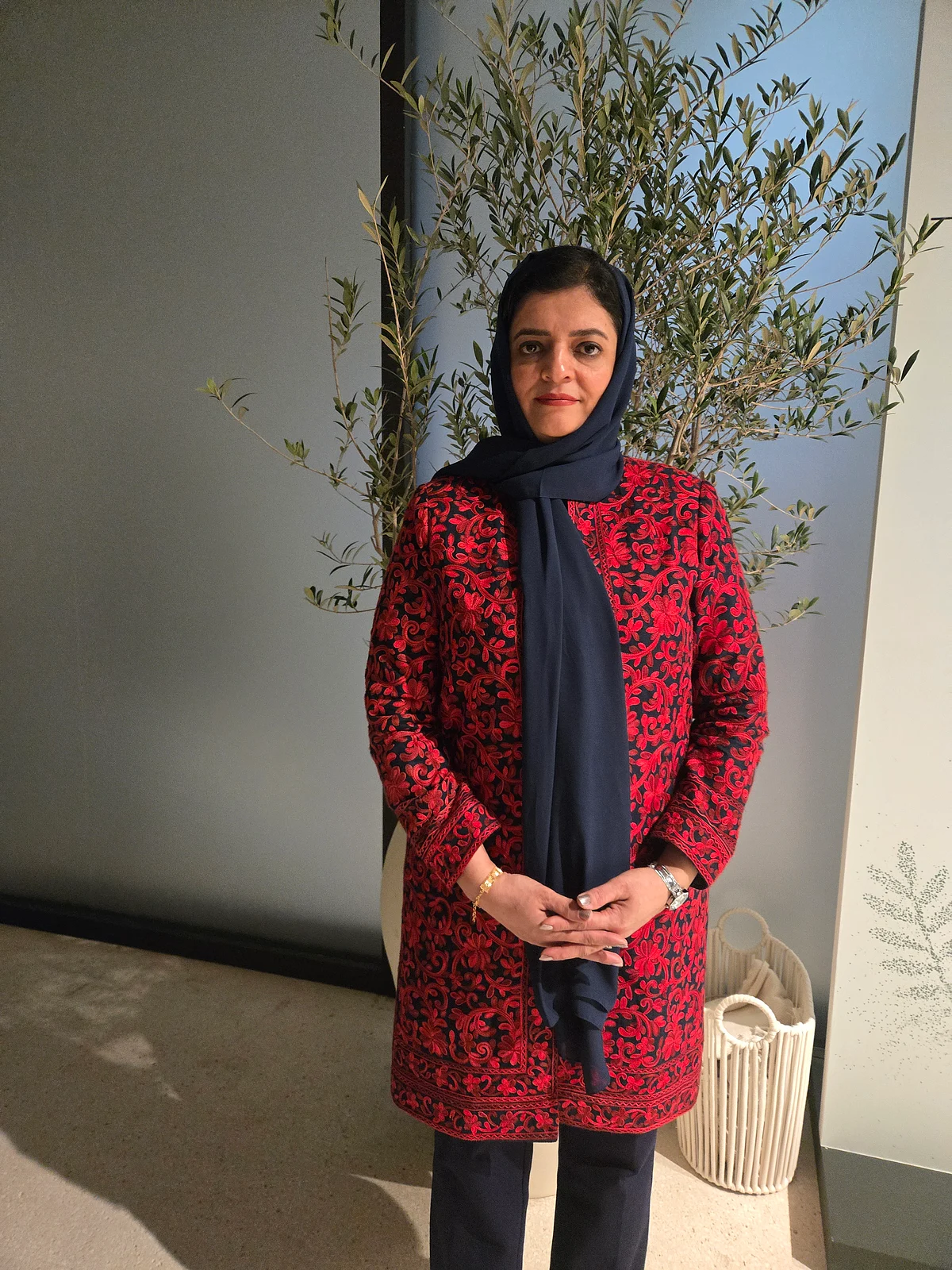
When Zarqa Yaftali speaks about education, she does so not as a distant advocate, but as someone who once sat on the floor of an underground classroom, learning in secret. “When I was a child, during 1996–2001, for the first time Taliban was in power in Afghanistan,” she told Khaleej Times. “At that time, I didn’t have the right to education, and I was at home for the time the Taliban were in Afghanistan.”
What made the difference, she said, was her mother—a school principal who quietly set up an underground school for girls. “I was one of the students that I learned and my mother teached me,” Zarqa recalled. That experience would shape her life’s work.
Now, decades later, Zarqa has been named one of the 2026 honourees of the Zayed Award for Human Fraternity, a global prize that recognises individuals and organisations advancing peace, dignity and coexistence through concrete action.
Stay up to date with the latest news. Follow KT on WhatsApp Channels.
Born in war, shaped by resistance
After the fall of the Taliban, Zarqa was able to accelerate her schooling and eventually attend Kabul University, where she studied law and political science. But the scars of that early deprivation stayed with her. “I was the witness of violation of women’s right during the Taliban period in Afghanistan,” she said. “All the time I thought I should be a women’s rights activist… I should provide the opportunity of education for girls in Afghanistan.”
She began her career as a researcher at the Women and Children Legal Research Foundation, deliberately choosing research as a way to uncover overlooked social challenges. “I wanted to identify the challenge, the problem, that women and children are facing in Afghanistan—some kind of social challenge and problems that no one can see them, but these challenges have some kind of direct impact on the life of women and children,” she said. That research soon turned into action.
100 schools, 100,000 chances for education
Over the past two decades, Zarqa has been involved in the establishment of around 100 schools across Afghanistan, providing access to education for more than 100,000 girls and young women.
Her work also expanded to supporting women-led organisations and offering psychosocial support to girls and women coping with severe trauma. “Right now, because of the current situation they are facing severe kind of trauma, psychological trauma,” she said. Some of the most meaningful successes, she explained, are not measured in numbers but in leadership. “There are some close friends of mine—they were my students, they were intern in our organisation—but right now they are in a position that they are leading,” she said. “They are director of different organisation… providing the opportunity of education for girls who are inside of Afghanistan.”
One story, in particular, still fills her with pride. “One of the schools, which is in a far village in one of the north provinces of Afghanistan — for the first time in this school, 10 young girls graduated and they passed the concord examination,” she said. “It was the first time in history that from this village, 10 young girls, they entered to the university.”
Education under ban, hope online
Today, with in-person education banned for girls beyond primary school, Zarqa’s work has shifted online. “These schools right now… this is online school because of the security and also because of the ban on girls’ education in Afghanistan,” she explained. “We want to build hope for the young girls who are inside of Afghanistan.”
Her organisation now runs alternative online education programmes for girls from Grade 7 to Grade 12 across multiple provinces — a small but vital response to what she describes as a massive crisis. “Right now, in Afghanistan, 2.5 million girls, they are deprived from the right to education,” she said.
Winning the Zayed Award, Zarqa said, is not a moment of rest — but a responsibility. “I have planned to expand the number of our online school students,” she said, adding that she also hopes to grow programmes focused on women, peace, security and leadership. Her longer-term goal is to help graduates access scholarships, fellowships and accreditation abroad. “I am sure that they are the leaders of tomorrow,” she said. “This is why I am thinking that it is very important to build the capacity of the young generation of Afghanistan.”
Zarqa is one of several 2026 honourees recognised by the Zayed Award for Human Fraternity, which was established in Abu Dhabi in 2019 following the signing of the Document on Human Fraternity by Pope Francis and the Grand Imam of Al-Azhar.
The award honours individuals and organisations whose work embodies compassion, solidarity and coexistence across borders.
Also named among this year’s honourees is Taawon - a Palestinian non-profit organisation that has spent decades supporting education, culture, youth empowerment and community resilience. With thousands of projects implemented across Palestine, Taawon’s work, like Zarqa’s, focuses on preserving dignity and opportunity in the face of prolonged hardship. Together, the 2026 honourees reflect different geographies, but a shared conviction: that education, care and human connection remain powerful acts of resistance — and hope.
What's Your Reaction?