

























Ramadan 2026 in UAE: Astronomer warns against false moon sighting information
UAE families are gearing up for Ramadan and preparing for a prayerful holy month. Many eagerly await the moon-sighting tradition to announce the start of the Islamic month. Engineer Odeh, a UAE astronomer and a trusted voice in the community, had issued a careful warning about inaccurate moon sightings.Most countries will watch the sky for the crescent of Ramadan on February 17. However, based on internationally recognised sighting criteria and astronomical calculations, the moon marking the beginning of Ramadan 1447 AH will not be visible on February 17 from any part of the Arab or Islamic world.According to scientific calculations and naked-eye observations, the crescent will not be visible in regions where the moon sets before or at the same time as the sun.Stay up to date with the latest news. Follow KT on WhatsApp Channels.On the evening of February 17, the moon will set before the sun in the eastern Islamic world, at the same time as the sun in central regions, and only a few minutes after sunset in western areas. This short interval is not enough for the moon to transition from conjunction to a visible crescent.Astronomical calculations show that in the UAE, the moon will set 1 minute before sunset. In Riyadh, the moon sets 42 seconds before sunset. While in Tabuk, the region in Saudi Arabia where the moon will be at its longest in the month, the moon will set exactly at sunset, with a surface age of just 1 hour and 49 minutes and an angular separation from the sun of only one degree.Following unverified sightings could lead to confusion among communities, with some starting fasting or prayers a day early."Such reports, if they do occur, definitively confirm the error some individuals may make in mistakenly believing they have sighted a crescent moon that is not present in the sky, Odeh said.According to the Astronomy Centre, many jurists and astronomers believe there is no need to search for the crescent moon after sunset on Tuesday in regions where the moon sets before or at the same time as the sun, since the moon is not visible at that time.Relying on unverified information can create confusion and disrupt worshippers preparing to begin fasting. Authorities urge the public to follow verified reports from recognised astronomical centres and religious authorities to avoid disruption in fasting schedules and community activities.Ramadan in UAE: What goes into an advent calendar? Ramadan 2026 likely to begin on February 19 in UAE, astronomers sayHow Dubai-based brothers feed 33,000 people an iftar meal every day of Ramadan
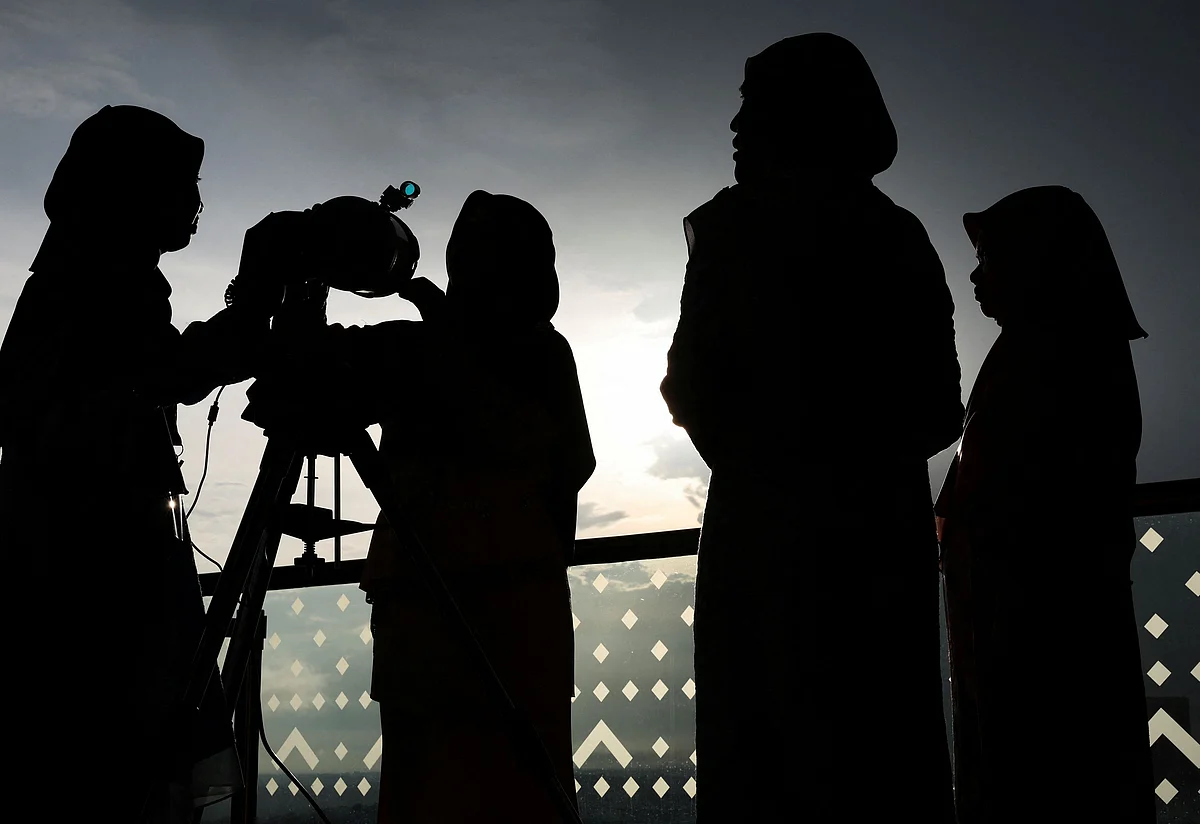
UAE families are gearing up for Ramadan and preparing for a prayerful holy month. Many eagerly await the moon-sighting tradition to announce the start of the Islamic month. Engineer Odeh, a UAE astronomer and a trusted voice in the community, had issued a careful warning about inaccurate moon sightings.
Most countries will watch the sky for the crescent of Ramadan on February 17. However, based on internationally recognised sighting criteria and astronomical calculations, the moon marking the beginning of Ramadan 1447 AH will not be visible on February 17 from any part of the Arab or Islamic world.
According to scientific calculations and naked-eye observations, the crescent will not be visible in regions where the moon sets before or at the same time as the sun.
Stay up to date with the latest news. Follow KT on WhatsApp Channels.
On the evening of February 17, the moon will set before the sun in the eastern Islamic world, at the same time as the sun in central regions, and only a few minutes after sunset in western areas. This short interval is not enough for the moon to transition from conjunction to a visible crescent.
Astronomical calculations show that in the UAE, the moon will set 1 minute before sunset. In Riyadh, the moon sets 42 seconds before sunset. While in Tabuk, the region in Saudi Arabia where the moon will be at its longest in the month, the moon will set exactly at sunset, with a surface age of just 1 hour and 49 minutes and an angular separation from the sun of only one degree.
Following unverified sightings could lead to confusion among communities, with some starting fasting or prayers a day early.
"Such reports, if they do occur, definitively confirm the error some individuals may make in mistakenly believing they have sighted a crescent moon that is not present in the sky, Odeh said.
According to the Astronomy Centre, many jurists and astronomers believe there is no need to search for the crescent moon after sunset on Tuesday in regions where the moon sets before or at the same time as the sun, since the moon is not visible at that time.
Relying on unverified information can create confusion and disrupt worshippers preparing to begin fasting. Authorities urge the public to follow verified reports from recognised astronomical centres and religious authorities to avoid disruption in fasting schedules and community activities.
What's Your Reaction?