



























Gulfood360 Africa set for Nairobi launch in 2027
Nairobi has been chosen to host the first Gulfood360 Africa in May 2027, marking a significant expansion of the global food and beverage platform into a continent whose food economy is valued at about $567 billion. The decision, announced on the sidelines of Gulfood 2026 in Dubai, formalises Kenya as the official African host and positions the East African hub at the centre of a strategy to […] The article Gulfood360 Africa set for Nairobi launch in 2027 appeared first on Arabian Post.
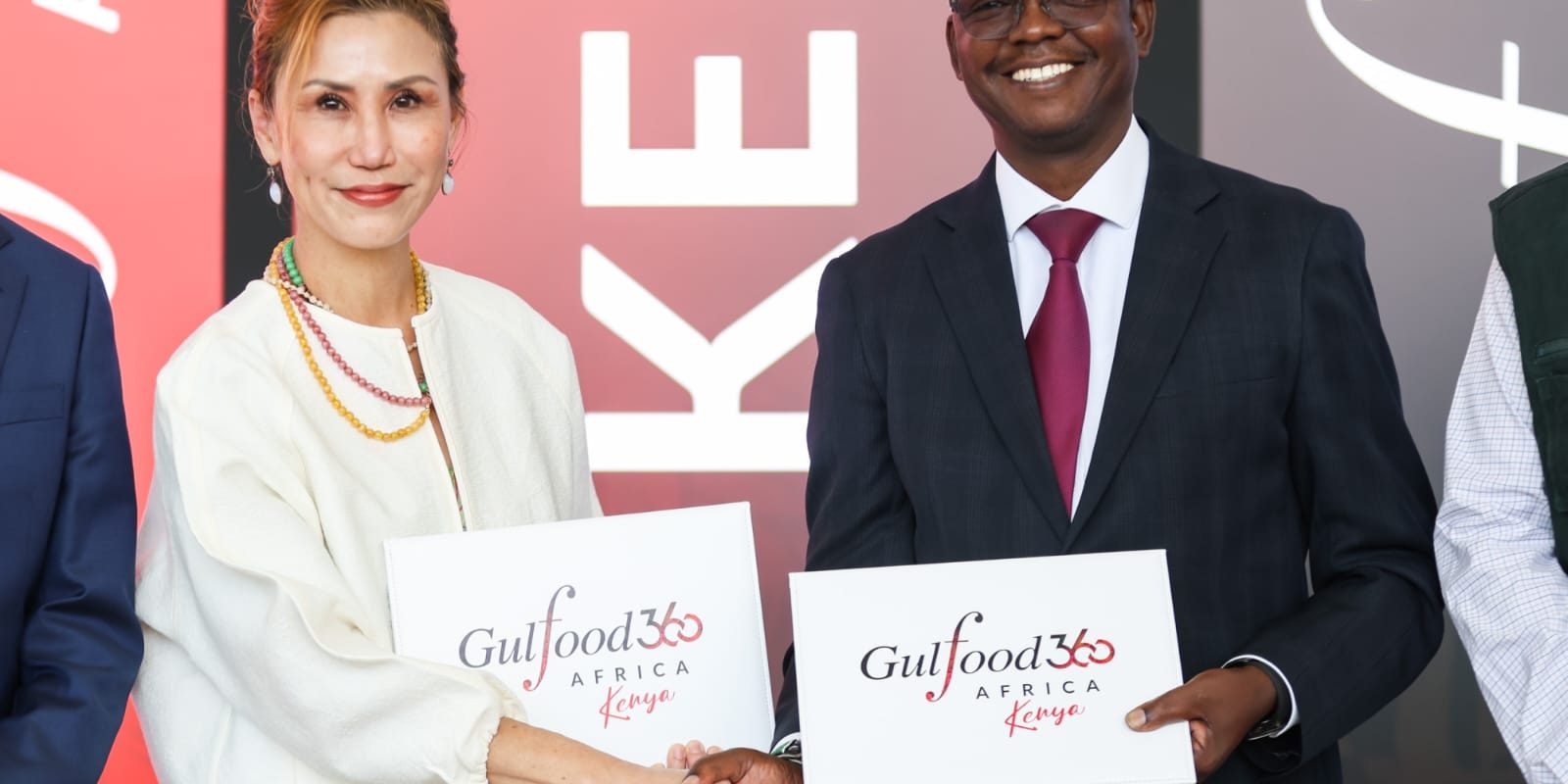
Nairobi has been chosen to host the first Gulfood360 Africa in May 2027, marking a significant expansion of the global food and beverage platform into a continent whose food economy is valued at about $567 billion. The decision, announced on the sidelines of Gulfood 2026 in Dubai, formalises Kenya as the official African host and positions the East African hub at the centre of a strategy to link African producers, processors and traders more closely with international markets.
Organisers said the Nairobi edition will build on Gulfood’s long-standing role as a convening platform for global agrifood trade, while adapting the model to African supply chains, investment needs and consumption patterns. The event is expected to bring together policymakers, multinational food companies, commodity traders, logistics firms, agri-tech start-ups and smallholder representatives, reflecting a deliberate attempt to bridge large-scale commerce with grassroots production.
Kenya’s selection follows months of evaluation involving infrastructure readiness, connectivity, regulatory environment and the country’s role in regional food trade. Nairobi’s status as a transport and financial hub for East and Central Africa, combined with its proximity to major agricultural belts, weighed heavily in the decision. The city already hosts regional offices of several international organisations focused on agriculture, food security and climate resilience, adding to its appeal as a neutral convening ground.
Gulfood’s expansion into Africa comes at a time when the continent’s food systems are under pressure from population growth, climate volatility and shifting dietary preferences. Africa’s population is projected to double by 2050, intensifying demand for staples, protein and processed foods. At the same time, climate-related disruptions have exposed weaknesses in production and distribution, prompting governments and investors to prioritise resilient supply chains, value addition and regional trade.
Industry analysts say the Nairobi event is likely to focus heavily on intra-African trade, particularly within the framework of the African Continental Free Trade Area. Despite the scale of Africa’s food economy, cross-border trade in agricultural products remains limited by non-tariff barriers, logistics bottlenecks and fragmented standards. A continental platform linked to a global brand could help accelerate harmonisation efforts and showcase bankable projects.
Organisers have indicated that Gulfood360 Africa will go beyond a traditional exhibition format. Planned elements include policy dialogues, investment forums, technology showcases and curated business-matching sessions aimed at facilitating concrete deals. Special attention is expected to be given to cereals, horticulture, livestock, aquaculture and processed foods, sectors where Africa holds comparative advantages but often captures limited value.
Kenya’s own agrifood sector reflects both the opportunities and constraints facing the continent. Agriculture accounts for a significant share of employment and export earnings, with products such as tea, coffee, cut flowers and fresh produce reaching markets in Europe, the Middle East and Asia. However, post-harvest losses, limited cold-chain infrastructure and financing gaps continue to weigh on productivity and incomes. Hosting a major global food platform is seen by local stakeholders as a way to attract investment into storage, logistics, processing and digital agriculture.
The timing of the Nairobi debut in 2027 also aligns with growing interest from Gulf and Asian investors in African food systems. Supply chain disruptions and geopolitical tensions have heightened awareness of food security, prompting capital to flow into farmland, processing facilities and trading networks beyond traditional markets. Gulfood’s presence in Africa is expected to act as a catalyst for such partnerships, leveraging its established networks in the Middle East and beyond.
At Gulfood 2026 in Dubai, speakers highlighted Africa’s under-representation in global food trade relative to its resource base. While the continent holds a large share of the world’s arable land, it remains a net food importer. Addressing this imbalance, they argued, requires coordinated action across policy, finance, technology and trade facilitation, areas that a pan-African Gulfood platform aims to address.
The article Gulfood360 Africa set for Nairobi launch in 2027 appeared first on Arabian Post.
What's Your Reaction?