

















How Dubai Loop, Glydways transport system will help beat traffic
On Tuesday, Dubai announced two new projects to cut down traffic and improve connectivity in the city. While one builds tracks the size of a bike lane seamlessly across the city, another takes riders through a tunnel that bypasses all traffic. The iconic Dubai Loop project will replicate the ‘Teslas in tunnels’ model to connect areas with heavy traffic. The Glydways network will be a series of short, self-driving pods that will serve four different areas of Dubai, mostly connecting metro stations to surrounding areas.The Roads and Transport Authority (RTA) has been consistently working to improve the traffic flow across the city. Last year, the authority completed 67 rapid traffic improvement measures across various areas of the emirate.Here is everything you need to know about the two projects: Dubai Loop, a smart mobility journey modelDubai Loop projectWhat: It will feature a network of one-directional underground with a diameter of 3.6 metres, which will serve 100 carsWhere: The first phase will connect Dubai Mall and Dubai International Financial Centre (DIFC). It will have four stationsCapacity: 13,000 people per dayBenefit: Cuts travel time from 20 minutes to 3 minutesExpansion plans: In the future, this network will extend up to 22.2 km and include 19 stations, connecting Dubai World Trade Centre and the financial district with Business Bay. The full Dubai Loop network will span 24 kilometres, with a total estimated cost of Dh2.5 billion and have 19 stations. Displays at the RTA pavilion on the first day of the World Government Summit. Glydways systemWhat: Self-driving electric vehicles that can travel at 50kmph on a dedicated path the size of a bike laneWhere: The project will be rolled out in four locations: Bluewater Island, Umm Suqeim, Al Quoz, and Dubai Festival City. The Bluewater route will be the trial route and is expected to begin this year.- Bluewaters - It will last 2.8km from the National Paints metro station to Bluewaters Island- Umm Suqeim - It will be 1.9 kilometers long from Mall of the Emirates metro station to Madinat Jumeirah- Al Quoz - This route is 2.6 kilometers long and will stretch from OnPassive metro station to Alserkal Avenue and Times Square Centre- Dubai Festival City - A 7km route serving the Dubai Festival City area with the possibility of connecting to Dubai Metro Blue LineCapacity: 4-6 people per pod. Several pods can be platooned to create a row of cars, like a train. It can transport more than 10,000 passengers per hour in each direction.Benefit: They run in dedicated lanes that can be added alongside existing roads, above ground or underground, without additional tracks or wiring. They will not be affected by existing trafficExpansion plans: Once the testing phase is over, this system will be rolled out to other parts of the cityNew highway, trains, metro: How UAE daily commutes will change for residentsDubai Blue Line Metro work: Traffic diversion on road leading to Centrepoint Station
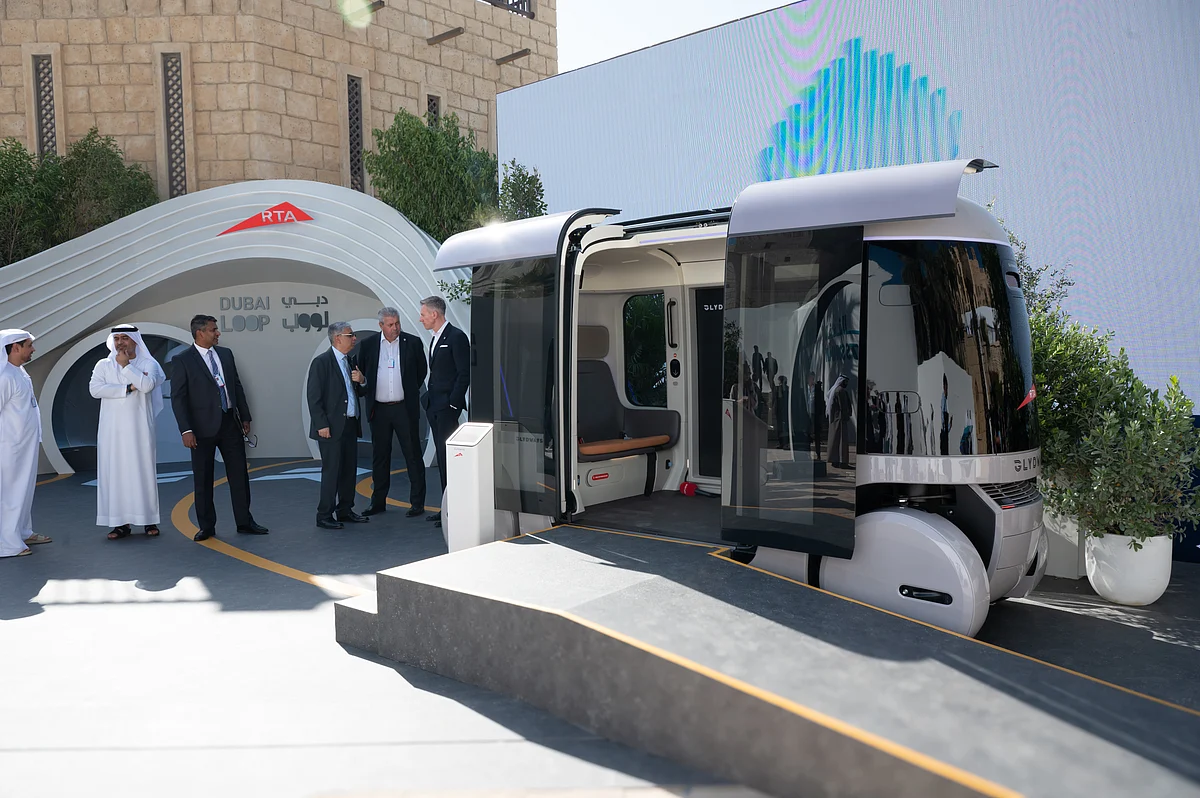
On Tuesday, Dubai announced two new projects to cut down traffic and improve connectivity in the city. While one builds tracks the size of a bike lane seamlessly across the city, another takes riders through a tunnel that bypasses all traffic.
The iconic Dubai Loop project will replicate the ‘Teslas in tunnels’ model to connect areas with heavy traffic. The Glydways network will be a series of short, self-driving pods that will serve four different areas of Dubai, mostly connecting metro stations to surrounding areas.
The Roads and Transport Authority (RTA) has been consistently working to improve the traffic flow across the city. Last year, the authority completed 67 rapid traffic improvement measures across various areas of the emirate.
Here is everything you need to know about the two projects: Dubai Loop, a smart mobility journey model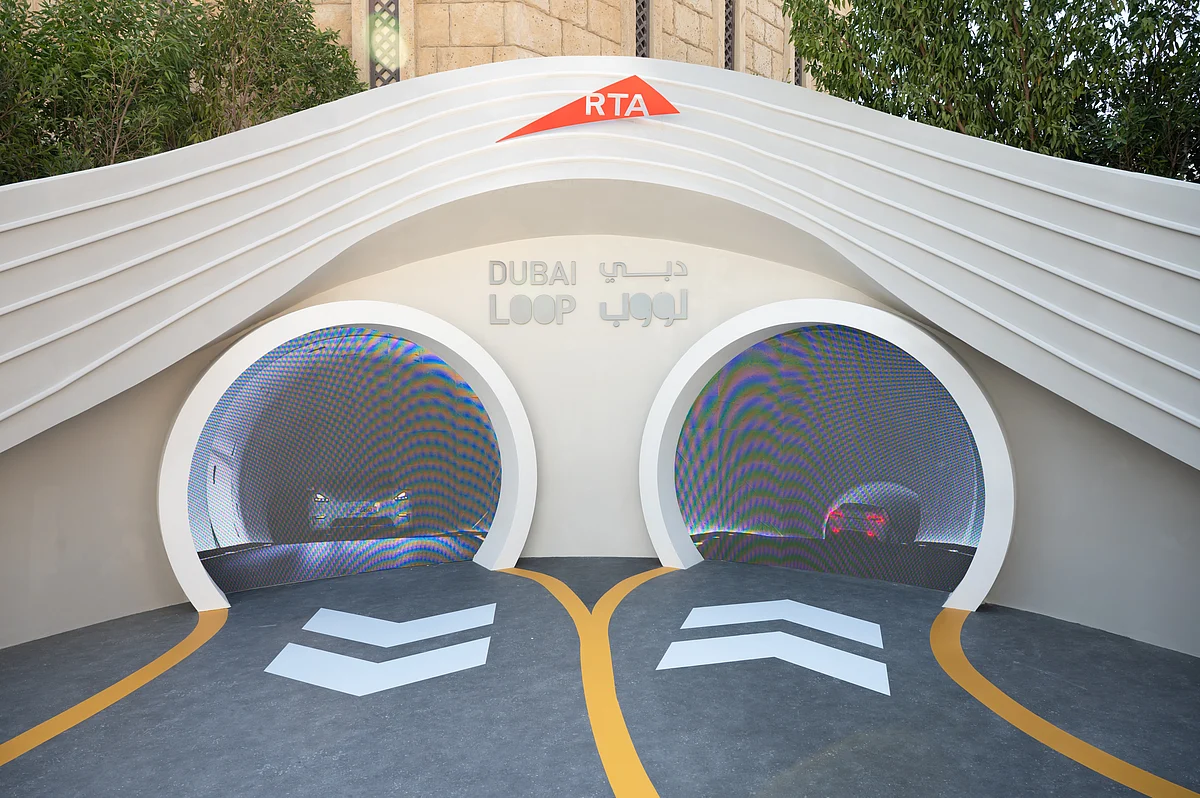
Dubai Loop project
What: It will feature a network of one-directional underground with a diameter of 3.6 metres, which will serve 100 cars
Where: The first phase will connect Dubai Mall and Dubai International Financial Centre (DIFC). It will have four stations
Capacity: 13,000 people per day
Benefit: Cuts travel time from 20 minutes to 3 minutes
Expansion plans: In the future, this network will extend up to 22.2 km and include 19 stations, connecting Dubai World Trade Centre and the financial district with Business Bay. The full Dubai Loop network will span 24 kilometres, with a total estimated cost of Dh2.5 billion and have 19 stations.
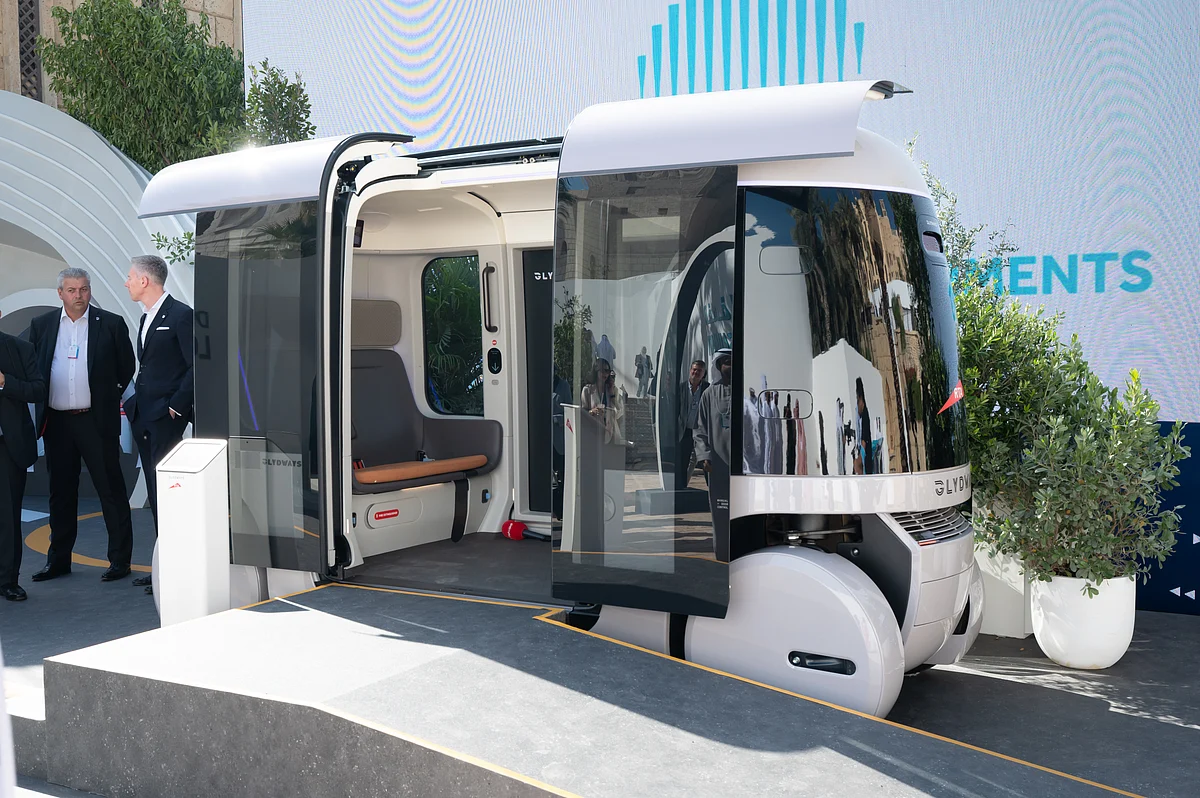
Displays at the RTA pavilion on the first day of the World Government Summit.
Glydways system
What: Self-driving electric vehicles that can travel at 50kmph on a dedicated path the size of a bike lane
Where: The project will be rolled out in four locations: Bluewater Island, Umm Suqeim, Al Quoz, and Dubai Festival City. The Bluewater route will be the trial route and is expected to begin this year.
- Bluewaters - It will last 2.8km from the National Paints metro station to Bluewaters Island
- Umm Suqeim - It will be 1.9 kilometers long from Mall of the Emirates metro station to Madinat Jumeirah
- Al Quoz - This route is 2.6 kilometers long and will stretch from OnPassive metro station to Alserkal Avenue and Times Square Centre
- Dubai Festival City - A 7km route serving the Dubai Festival City area with the possibility of connecting to Dubai Metro Blue Line
Capacity: 4-6 people per pod. Several pods can be platooned to create a row of cars, like a train. It can transport more than 10,000 passengers per hour in each direction.
Benefit: They run in dedicated lanes that can be added alongside existing roads, above ground or underground, without additional tracks or wiring. They will not be affected by existing traffic
Expansion plans: Once the testing phase is over, this system will be rolled out to other parts of the city
What's Your Reaction?