























How Dubai resident helps vulnerable animals with 'nowhere to go' during rain
[Editor's note: Follow the Khaleej Times live blog for the latest updates on unstable weather in the UAE]As rain and strong winds swept across the UAE, animal rescuer Chiku Singh moved between streets and open plots in Dubai, Sharjah and Abu Dhabi, lifting feeding bowls off flooded ground and reinforcing shelters.Over the past week, Singh, a British expat, said she spent her evenings after work securing feeding stations and strengthening shelters across multiple locations to help stray animals cope with the extreme weather.“For stray animals, storms are emergencies,” Singh said. “Rain floods feeding areas, shelters collapse, and kittens can lose body heat within minutes. Elderly and sick animals struggle when everything around them turns wet and cold.”Stay up to date with the latest news. Follow KT on WhatsApp Channels.A Dubai resident involved in community animal rescue and welfare work for more than 25 years, Singh said extreme weather exposes how vulnerable animals living on the streets become once conditions deteriorate.“When people go indoors, the animals remain outside with nowhere to go,” she said.According to Singh, her work during the recent storms involved raising feeding bowls off sand and waterlogged ground, anchoring them with bricks against strong winds, and replacing soaked food with dry feed to reduce the risk of illness.“Bowls left on sand flood very quickly,” she said. “Wet food can make animals sick, especially damp and cold conditions.”She also reinforced rest areas by adding waterproof layers and hay, adjusting shelter entrances to block wind direction, and ensuring animals could sit inside without rain being driven in.“The shelters I use are insulated rest houses, not cardboard boxes,” Singh said. “They are elevated, secured and designed to help animals retain warmth while staying dry.”Singh said many people underestimate what responsible feeding and care involve during extreme weather.“Leaving food outside is not enough,” she said. “During storms, you need raised, waterproof feeding stations and shelters that are properly ventilated. Otherwise moisture and cold build up, and animals suffer.”Most of the shelters are insulated and lined with hay to retain warmth during storms and colder nights. Singh said that while around 60 to 70 insulated shelter units were initially secured and reinforced earlier in the week, additional shelters were added in Sharjah, taking the total to about 83 units across the UAE. These shelters and feeding stations are spread across parts of Abu Dhabi, Dubai and Sharjah, including labour camp areas in Mussafah and Al Reef, residential communities such as Sports City, Motor City and Tilal Al Ghaf, as well as several industrial zones.During storms, Singh said, stray animals are often seen seeking shelter near buildings or parked vehicles.“They are trying to survive,” she said. “Familiar feeding spots disappear under water, and the ground becomes unsafe. They don’t understand what is happening, only that they need shelter.”As unsettled conditions continued, Singh said preparation had already reduced suffering.“There are animals inside dry shelters instead of under cars,” she said. “There are feeding stations that remained usable. Some animals will survive this storm because preparation was done in time.”“When the storm hits,” she added, “someone has to remain on the streets for those who cannot ask for help.”Rains batter UAE: Residents work from home, adjust commute as weather intensifiesHeavy rains in Dubai: Police deploy 22 rescue teams; 120 cranes on standby for emergenciesStormy weather in UAE: Residents wake up to damaged cars, uprooted trees
[Editor's note: Follow the Khaleej Times live blog for the latest updates on unstable weather in the UAE]
As rain and strong winds swept across the UAE, animal rescuer Chiku Singh moved between streets and open plots in Dubai, Sharjah and Abu Dhabi, lifting feeding bowls off flooded ground and reinforcing shelters.
Over the past week, Singh, a British expat, said she spent her evenings after work securing feeding stations and strengthening shelters across multiple locations to help stray animals cope with the extreme weather.
“For stray animals, storms are emergencies,” Singh said. “Rain floods feeding areas, shelters collapse, and kittens can lose body heat within minutes. Elderly and sick animals struggle when everything around them turns wet and cold.”
Stay up to date with the latest news. Follow KT on WhatsApp Channels.
A Dubai resident involved in community animal rescue and welfare work for more than 25 years, Singh said extreme weather exposes how vulnerable animals living on the streets become once conditions deteriorate.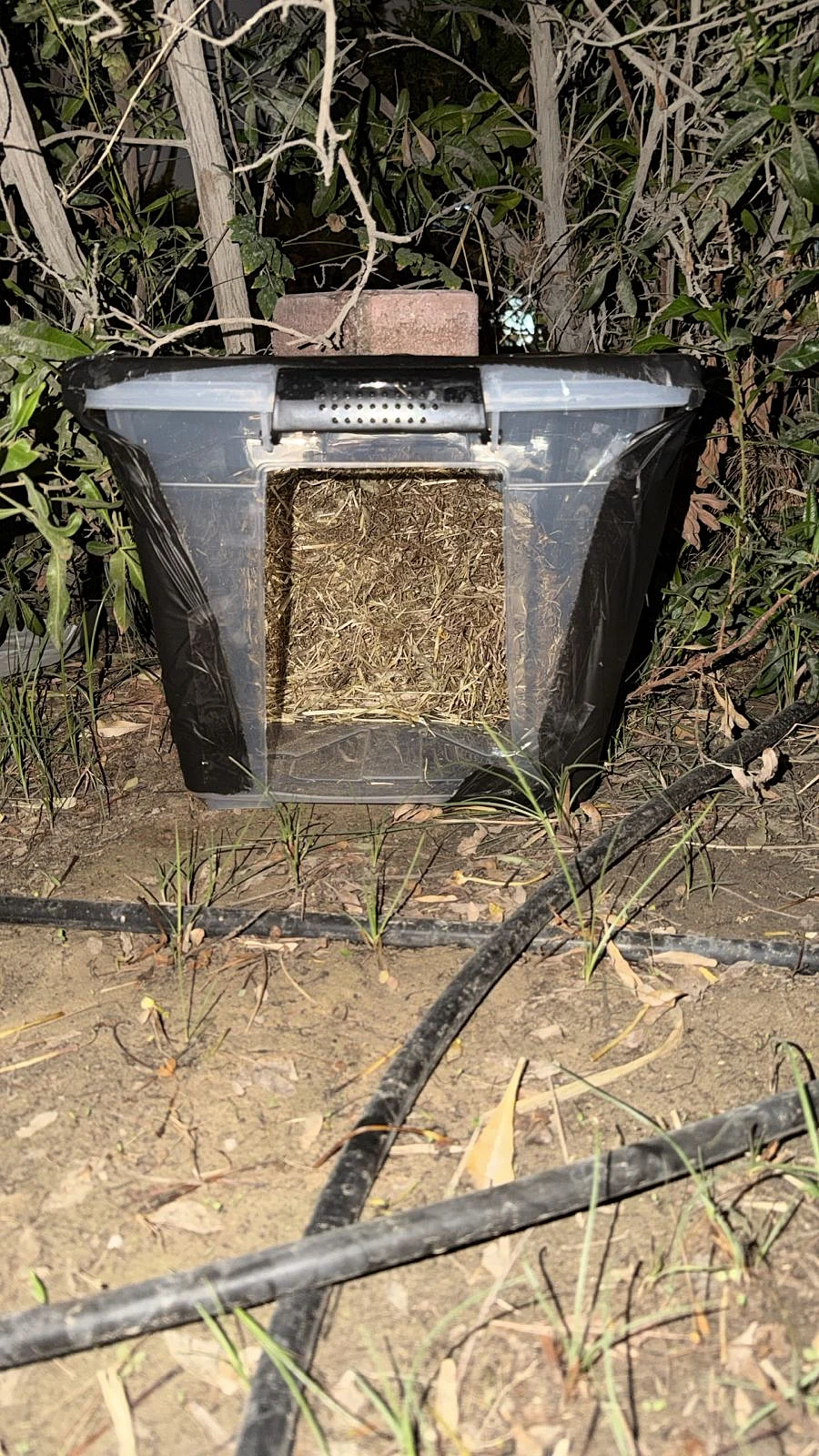
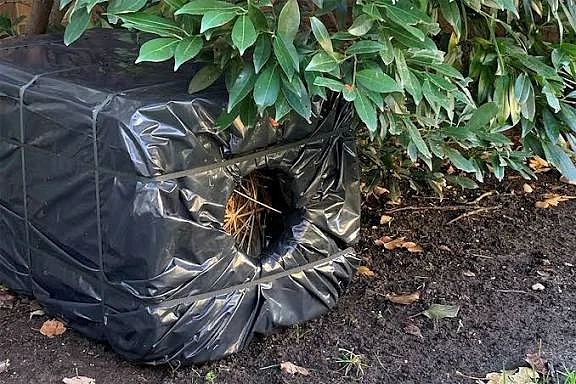
“When people go indoors, the animals remain outside with nowhere to go,” she said.
According to Singh, her work during the recent storms involved raising feeding bowls off sand and waterlogged ground, anchoring them with bricks against strong winds, and replacing soaked food with dry feed to reduce the risk of illness.
“Bowls left on sand flood very quickly,” she said. “Wet food can make animals sick, especially damp and cold conditions.”
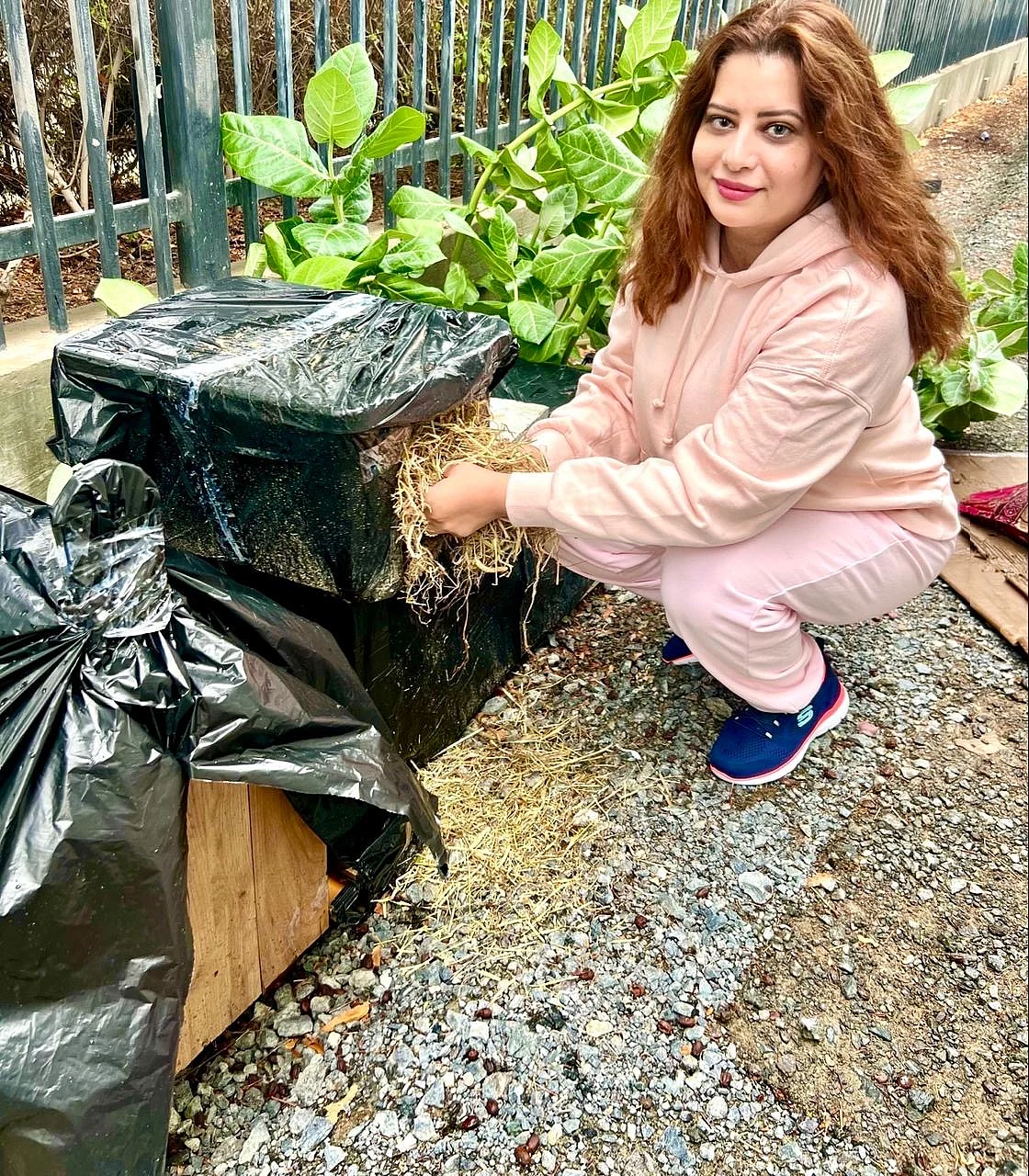
She also reinforced rest areas by adding waterproof layers and hay, adjusting shelter entrances to block wind direction, and ensuring animals could sit inside without rain being driven in.
“The shelters I use are insulated rest houses, not cardboard boxes,” Singh said. “They are elevated, secured and designed to help animals retain warmth while staying dry.”
Singh said many people underestimate what responsible feeding and care involve during extreme weather.
“Leaving food outside is not enough,” she said. “During storms, you need raised, waterproof feeding stations and shelters that are properly ventilated. Otherwise moisture and cold build up, and animals suffer.”
Most of the shelters are insulated and lined with hay to retain warmth during storms and colder nights. Singh said that while around 60 to 70 insulated shelter units were initially secured and reinforced earlier in the week, additional shelters were added in Sharjah, taking the total to about 83 units across the UAE.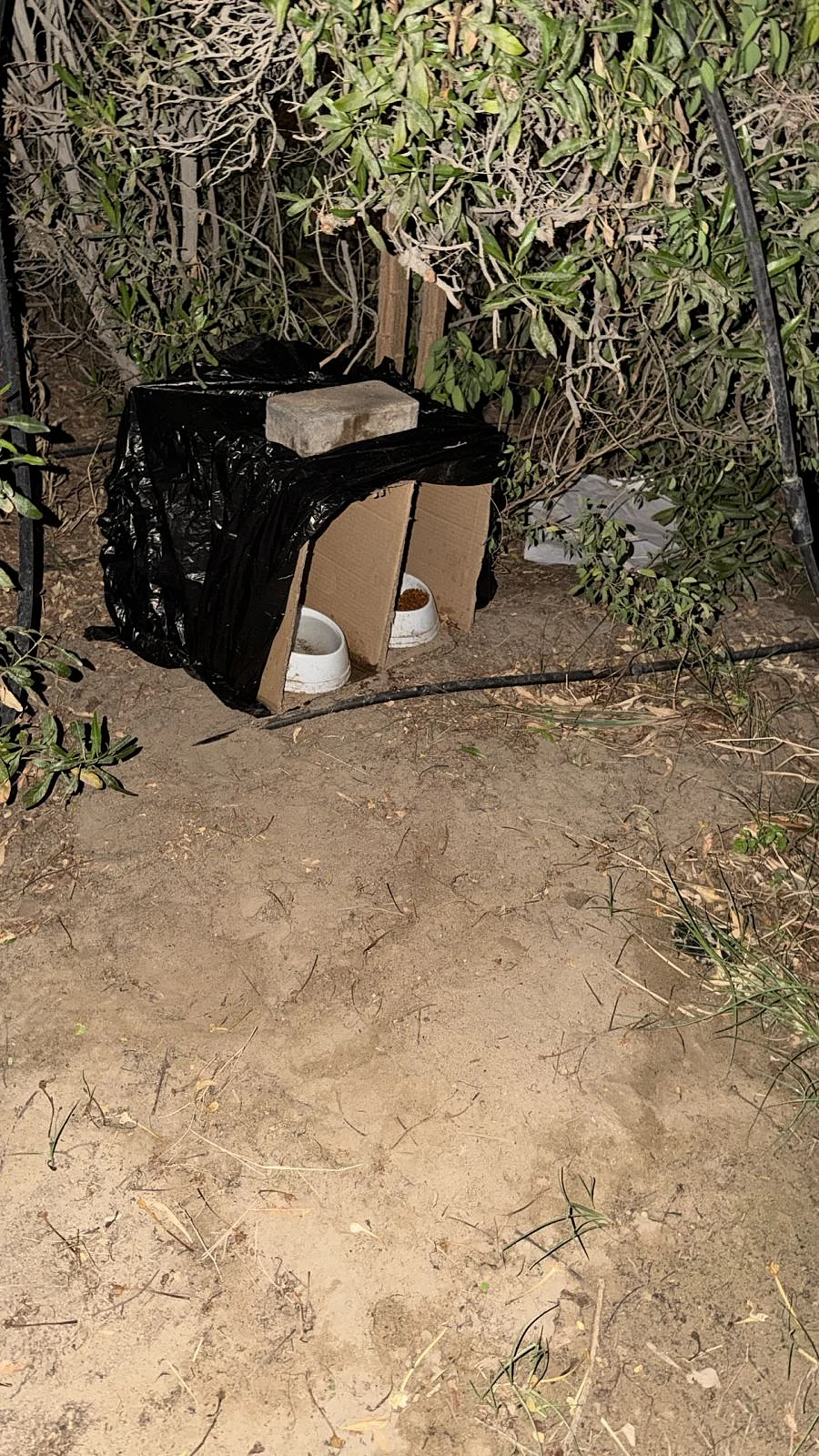
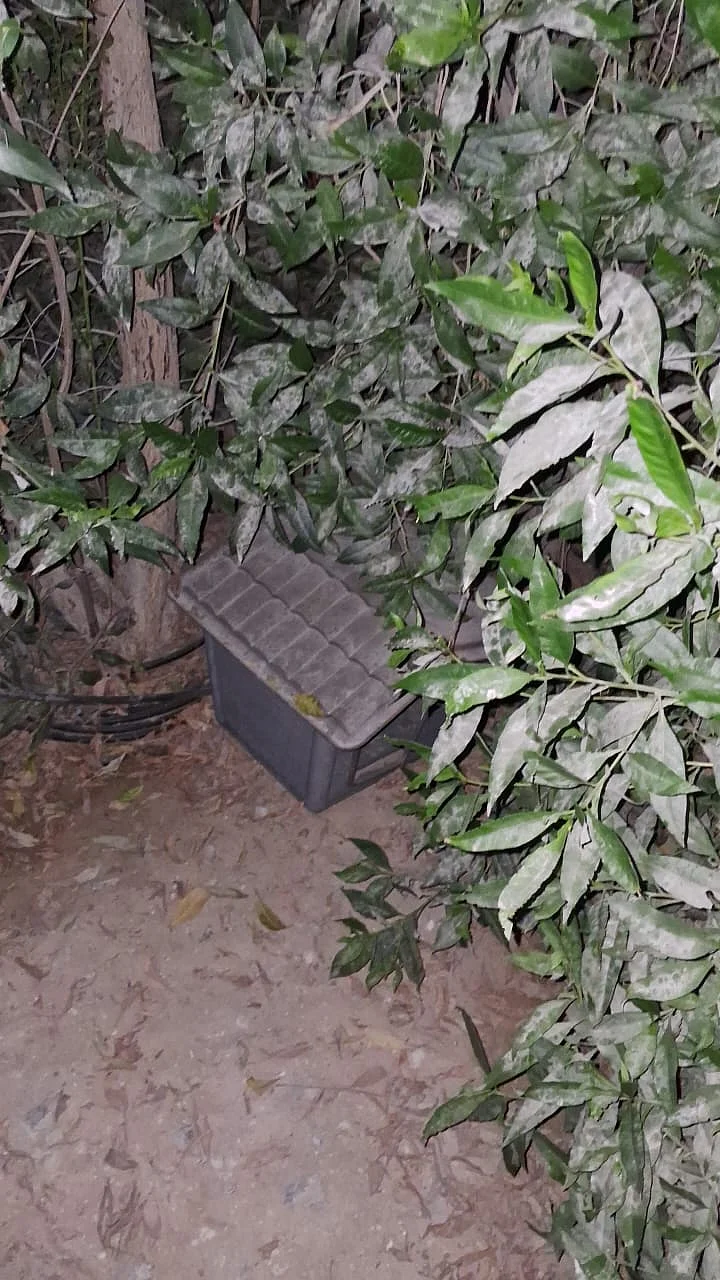
These shelters and feeding stations are spread across parts of Abu Dhabi, Dubai and Sharjah, including labour camp areas in Mussafah and Al Reef, residential communities such as Sports City, Motor City and Tilal Al Ghaf, as well as several industrial zones.
During storms, Singh said, stray animals are often seen seeking shelter near buildings or parked vehicles.
“They are trying to survive,” she said. “Familiar feeding spots disappear under water, and the ground becomes unsafe. They don’t understand what is happening, only that they need shelter.”
As unsettled conditions continued, Singh said preparation had already reduced suffering.
“There are animals inside dry shelters instead of under cars,” she said. “There are feeding stations that remained usable. Some animals will survive this storm because preparation was done in time.”
“When the storm hits,” she added, “someone has to remain on the streets for those who cannot ask for help.”
What's Your Reaction?