
































How India’s relaxed gold customs rules are changing UAE shoppers’ buying habits
India’s decision to revise its customs rules on gold jewellery has had some impact on the way UAE residents and visitors are buying ornaments. This has resulted in a “subtle” shift, according to industry experts.“The change in buying patterns can be felt subtly,” said Shamlal Ahamed, managing director for international operations at Malabar Gold and Diamonds. “Combined with other factors like the increase in gold prices, the revision has created an overall shift in the way people are shopping for gold ornaments.Nishin Thaslim, CEO of Morickap Group, which runs Nishka Jewellery, said that the change in India’s gold‑carriage allowance has not caused a “major effect” in the UAE retail gold sales, but it has shifted what people prefer. “The UAE retail market remains strong and stable, supported by tourism, local demand, and investment buying,” he said. “The India rule mainly affects NRIs and tourists, not the broader retail base.”Earlier this month, the Indian government updated baggage rules for travelers, increasing the limits on gold jewellery that they can bring without paying customs. A female passenger returning to India can carry up to 40 grams of gold jewellery without any customs charges, while other passengers can bring up 20 grams as part of their personal baggage.Stay up to date with the latest news. Follow KT on WhatsApp Channels. Lightweight piecesOne of the most significant shifts in the market is the growing popularity of lighter, more affordable jewellery. According to Shamlal, this trend is being driven by both affordability and evolving design preferences."Overall, lightweight is more popular because of affordability," he said. "Lower cartage options like 18K are gaining traction. Earlier, 22K was the most popular. Now, we are seeing more demand for 18K because it is lighter weight, the metals are harder, and it is 30 to 40 per cent cheaper as compared to 22K."He added that Indian tourists tended to buy international designs, particularly Turkish, Italian, and European styles. “Buyers can get only Indian designs in India,” he said. “However, in Dubai, they can get several unique international designs. That is a big attraction, especially for tourists.”Nishin also pointed out that people were buying lighter jewellery pieces. "Shoppers who used to buy heavier bangles, chains, or sets for gifting now choose lightweight jewellery like 18k and 22k small pieces, coins, and pendants under 20 to 40 grams," he said.As wedding season is around the corner in India, he added that families have adapted by splitting their purchases. "They split purchases across multiple travellers and buy part in UAE and part in India. So, the volume per customer may drop, but the number of customers remains high."Price advantage remainsAccording to Shamlal there is still a narrow but significant price difference between the UAE and India. "The import duty difference has reduced to 5 per cent. Earlier, it was 15 per cent. So, there is still a price difference," he said. "Plus, there is a VAT refund available for tourists. People are still buying but not like earlier when they used to buy in big quantities."He noted that customs rules have also become more liberal, encouraging steady footfall. "Residents know families can carry 100 to 120 grams collectively. People are buying in decent quantities, enjoying the rate difference and the designs."Nishin observed a slight uptick in footfall from Indian tourists and expat buyers. "Footfall from Indian tourists and expat buyers in the UAE has increased a little bit," he said. He added that it was important for buyers to keep a paper trail when traveling. "They will definitely ask for the invoice from the jewellers. If any other documents are required, then the customer himself should provide them to the authorities."InvestorsBeyond the jewellery counter, there has been a notable change in how people buy gold as an asset. Ahamed explained that investment buyers- once a significant customer segment- have largely moved away from ornamental gold."The investment buyers have shifted to coins and bars because there is no VAT on them," said Shamlal. "There is a huge shift because there is no loss in VAT during resale. For emotional or gifting purposes, people still buy actual jewellery, but they are buying lightweight pieces now. For pure investment, it is 24K biscuits and coins."'Enough for my wedding’: UAE expats laud India’s new gold carrying rulesIs it cheaper to buy gold jewellery in UAE or India?Dubai gold prices hit Dh600: Shoppers continue buying, selling unused jewellery
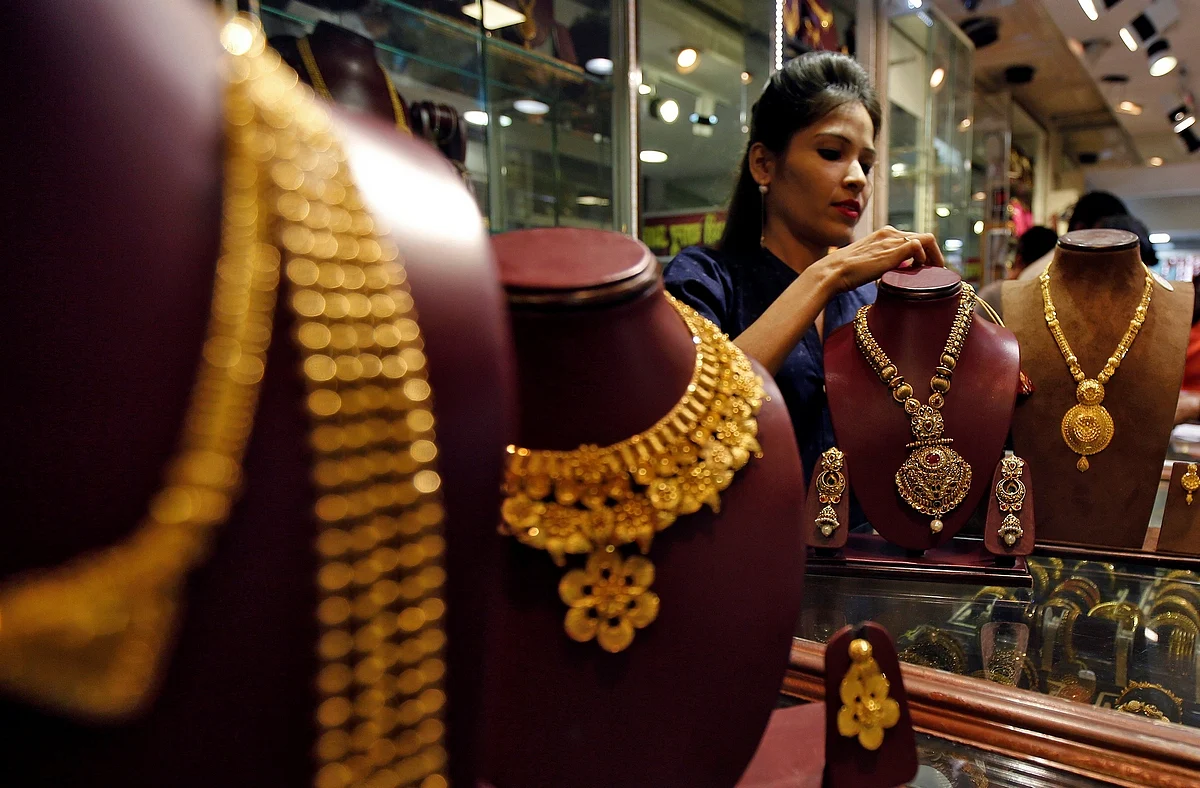
India’s decision to revise its customs rules on gold jewellery has had some impact on the way UAE residents and visitors are buying ornaments. This has resulted in a “subtle” shift, according to industry experts.
“The change in buying patterns can be felt subtly,” said Shamlal Ahamed, managing director for international operations at Malabar Gold and Diamonds. “Combined with other factors like the increase in gold prices, the revision has created an overall shift in the way people are shopping for gold ornaments.
Nishin Thaslim, CEO of Morickap Group, which runs Nishka Jewellery, said that the change in India’s gold‑carriage allowance has not caused a “major effect” in the UAE retail gold sales, but it has shifted what people prefer. “The UAE retail market remains strong and stable, supported by tourism, local demand, and investment buying,” he said. “The India rule mainly affects NRIs and tourists, not the broader retail base.”
Earlier this month, the Indian government updated baggage rules for travelers, increasing the limits on gold jewellery that they can bring without paying customs. A female passenger returning to India can carry up to 40 grams of gold jewellery without any customs charges, while other passengers can bring up 20 grams as part of their personal baggage.
Stay up to date with the latest news. Follow KT on WhatsApp Channels.
Lightweight pieces
One of the most significant shifts in the market is the growing popularity of lighter, more affordable jewellery. According to Shamlal, this trend is being driven by both affordability and evolving design preferences.
"Overall, lightweight is more popular because of affordability," he said. "Lower cartage options like 18K are gaining traction. Earlier, 22K was the most popular. Now, we are seeing more demand for 18K because it is lighter weight, the metals are harder, and it is 30 to 40 per cent cheaper as compared to 22K."
He added that Indian tourists tended to buy international designs, particularly Turkish, Italian, and European styles. “Buyers can get only Indian designs in India,” he said. “However, in Dubai, they can get several unique international designs. That is a big attraction, especially for tourists.”
Nishin also pointed out that people were buying lighter jewellery pieces. "Shoppers who used to buy heavier bangles, chains, or sets for gifting now choose lightweight jewellery like 18k and 22k small pieces, coins, and pendants under 20 to 40 grams," he said.
As wedding season is around the corner in India, he added that families have adapted by splitting their purchases. "They split purchases across multiple travellers and buy part in UAE and part in India. So, the volume per customer may drop, but the number of customers remains high."
Price advantage remains
According to Shamlal there is still a narrow but significant price difference between the UAE and India. "The import duty difference has reduced to 5 per cent. Earlier, it was 15 per cent. So, there is still a price difference," he said. "Plus, there is a VAT refund available for tourists. People are still buying but not like earlier when they used to buy in big quantities."
He noted that customs rules have also become more liberal, encouraging steady footfall. "Residents know families can carry 100 to 120 grams collectively. People are buying in decent quantities, enjoying the rate difference and the designs."
Nishin observed a slight uptick in footfall from Indian tourists and expat buyers. "Footfall from Indian tourists and expat buyers in the UAE has increased a little bit," he said. He added that it was important for buyers to keep a paper trail when traveling. "They will definitely ask for the invoice from the jewellers. If any other documents are required, then the customer himself should provide them to the authorities."
Investors
Beyond the jewellery counter, there has been a notable change in how people buy gold as an asset. Ahamed explained that investment buyers- once a significant customer segment- have largely moved away from ornamental gold.
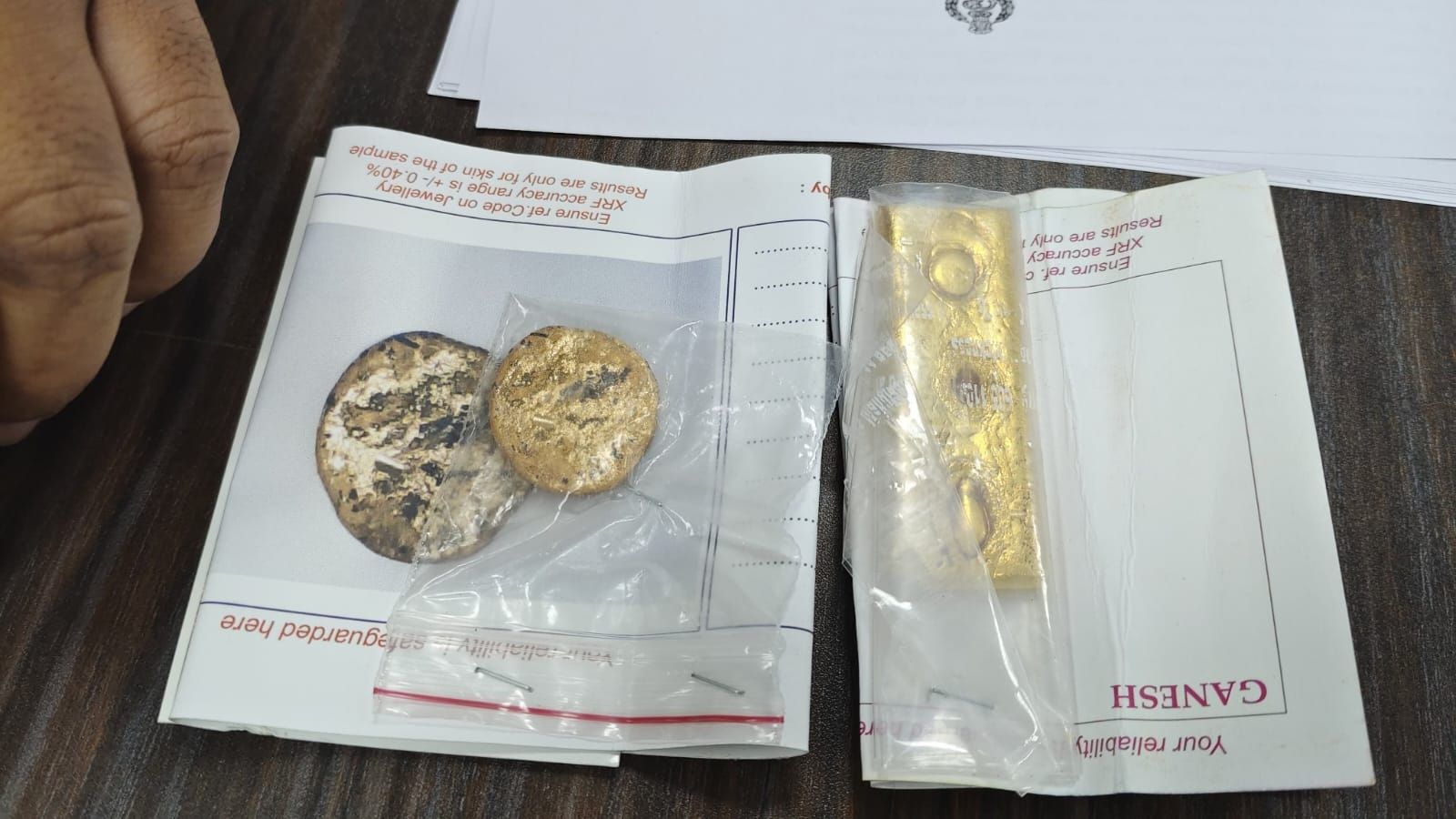
"The investment buyers have shifted to coins and bars because there is no VAT on them," said Shamlal. "There is a huge shift because there is no loss in VAT during resale. For emotional or gifting purposes, people still buy actual jewellery, but they are buying lightweight pieces now. For pure investment, it is 24K biscuits and coins."
What's Your Reaction?