













How paralysed man's life changed after first-ever brain chip implant from Musk's Neuralink
An American quadriplegic, who lost all sensation below his shoulder has shared how a chip in his brain has helped rebuild his life. Noland Arbaugh became the first person to receive a brain chip implant product by Elon Musk’s company Neuralink in 2024 and since then has turned his life around.When Nolan was first given full control of the device, he did something small but monumental: he played a video game for eight hours straight. “It was something I had not been able to do for eight years and something I missed from before my accident,” Noland told Khaleej Times on the sidelines of the World Government Summit (WGS) on Tuesday. “It was so much fun. It was the first time I was able to play a game like that in eight years.” Noland Arbaugh That was the just the beginning for him. He began to reclaim his life- something he never thought he would be able to do after a swimming accident damaged his spinal cord ten years ago and confined him to a wheelchair. The beginning He said his journey began with a phone call from his friend. “One day my buddy called me and said, do you want to get a chip in your brain,” he recalled. “I had nothing better going on. So, he walked me through what Neuralink was because I had no idea.” A month, ten interviews, a full body and complete blood works later, he had passed all the tests. Three months later, he was undergoing brain surgery as part of the Neuralink study. The speed of it was surreal to him.Since then, he has gone back to school and even started working — opening doors that were previously shut to him. “I never thought I'd be able to go back to school or work again,” he confessed. “I tried working for so many years after my accident but I just didn't qualify. There were so many barriers, so many hurdles that I had to jump over. Now, this last semester, I just completed my first full semester of school again. I did 22 credit hours, and I got straight A's with a 4.0 GPA. These things I never thought I'd be able to do.”He also started traveling, speaking, and advocating. This is his first trip to the UAE. “I visited the Burj Khalifa and went to the very top. It was incredible,” he said. “The people here are amazing and they've been so gracious. So I've had a really good time.”He said that despite the advances of the technology, there are challenges ahead, including regulatory hurdles and technical growing pains. But he’s optimistic. The technology is still in its infancy, he says and the future is wide open.Watch: UK woman with Parkinson's disease plays clarinet during brain surgeryUAE: 6-year-old regains ability to walk, eat, speak after brain injury from road accidentUAE: Mother wakes from 3-month coma to discover she gave birth to baby girl
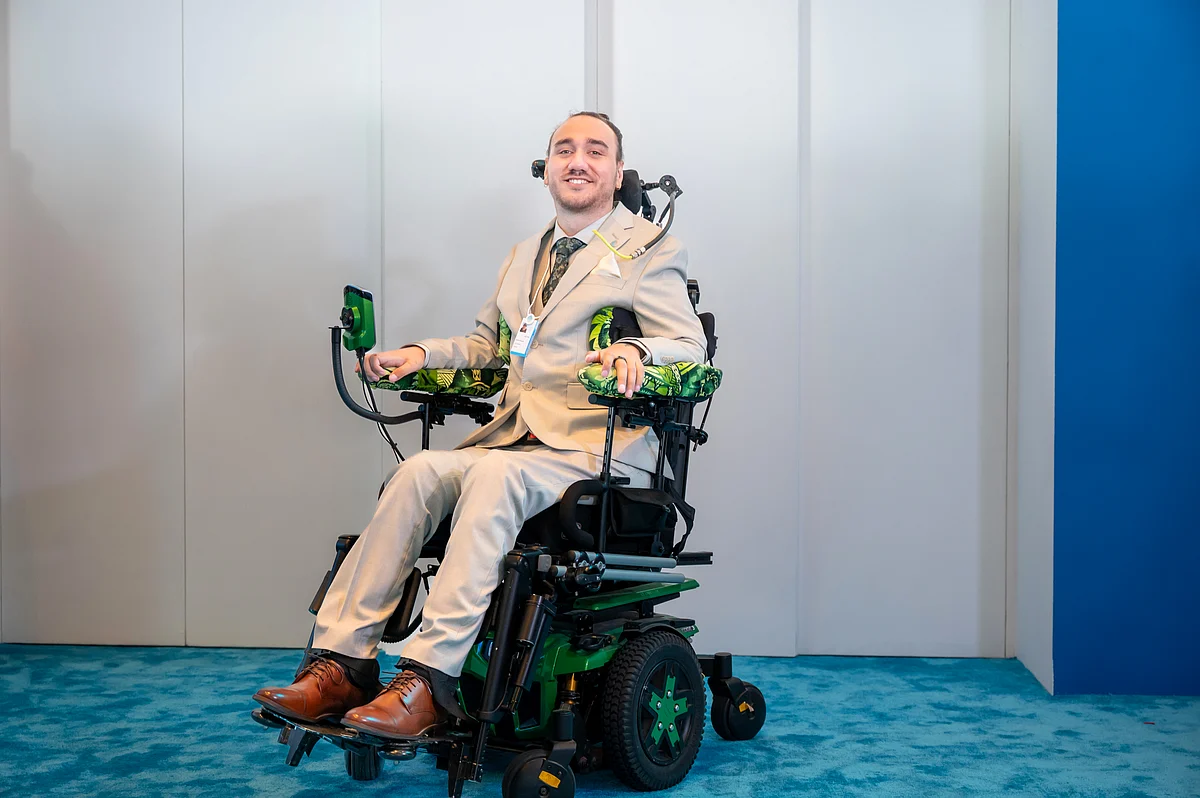
An American quadriplegic, who lost all sensation below his shoulder has shared how a chip in his brain has helped rebuild his life. Noland Arbaugh became the first person to receive a brain chip implant product by Elon Musk’s company Neuralink in 2024 and since then has turned his life around.
When Nolan was first given full control of the device, he did something small but monumental: he played a video game for eight hours straight. “It was something I had not been able to do for eight years and something I missed from before my accident,” Noland told Khaleej Times on the sidelines of the World Government Summit (WGS) on Tuesday. “It was so much fun. It was the first time I was able to play a game like that in eight years.” Noland Arbaugh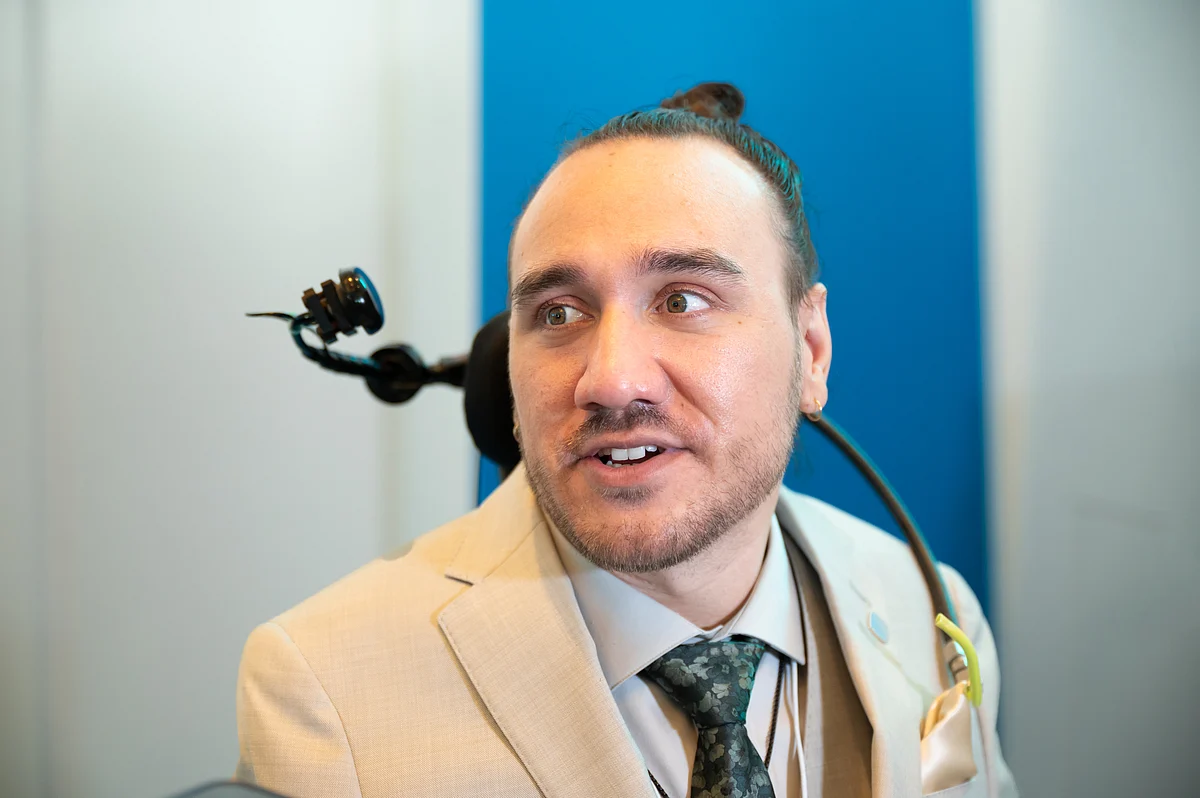
That was the just the beginning for him. He began to reclaim his life- something he never thought he would be able to do after a swimming accident damaged his spinal cord ten years ago and confined him to a wheelchair.
The beginning
He said his journey began with a phone call from his friend. “One day my buddy called me and said, do you want to get a chip in your brain,” he recalled. “I had nothing better going on. So, he walked me through what Neuralink was because I had no idea.”
A month, ten interviews, a full body and complete blood works later, he had passed all the tests. Three months later, he was undergoing brain surgery as part of the Neuralink study. The speed of it was surreal to him.
Since then, he has gone back to school and even started working — opening doors that were previously shut to him. “I never thought I'd be able to go back to school or work again,” he confessed. “I tried working for so many years after my accident but I just didn't qualify. There were so many barriers, so many hurdles that I had to jump over. Now, this last semester, I just completed my first full semester of school again. I did 22 credit hours, and I got straight A's with a 4.0 GPA. These things I never thought I'd be able to do.”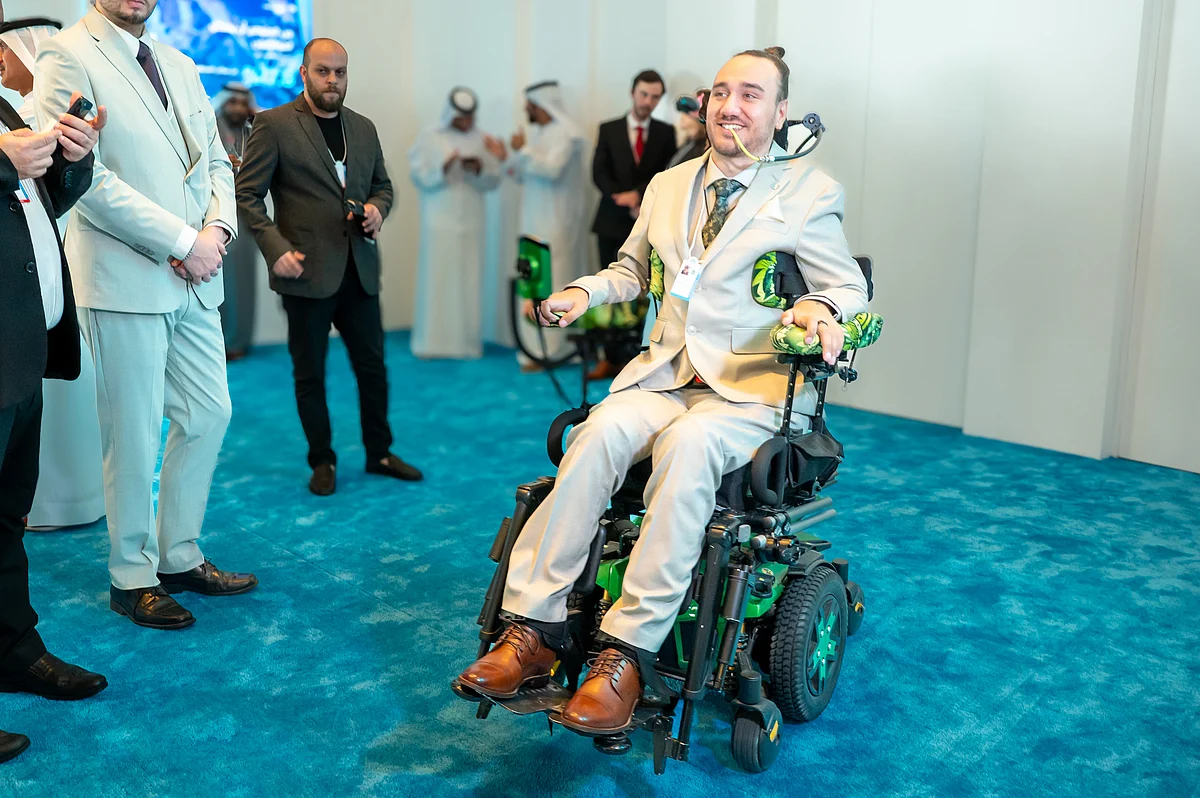
He also started traveling, speaking, and advocating. This is his first trip to the UAE. “I visited the Burj Khalifa and went to the very top. It was incredible,” he said. “The people here are amazing and they've been so gracious. So I've had a really good time.”
He said that despite the advances of the technology, there are challenges ahead, including regulatory hurdles and technical growing pains. But he’s optimistic. The technology is still in its infancy, he says and the future is wide open.
What's Your Reaction?