





















How UAE mother opened her home, created support network for foster families
In 2020, when the Covid-19 pandemic forced much of the world indoors, an Emirati mother in Abu Dhabi found herself beginning a life-changing journey, one that would grow from fostering a child into launching a support network for families across the UAE.Hoda Al Mashjari, an auditing and compliance expert, is a mother of four — Alyazia, 21, Mohammed, 19, and her two foster sons, Ahmad, 9, and Hamdan, 4.Her journey into fostering began years earlier, after a visit to orphanages abroad left a lasting impression. But it was at a care centre in the UAE that everything changed.Stay up to date with the latest news. Follow KT on WhatsApp channels.She had initially planned to foster a girl. Instead, she met Ahmad.Hoda Al MashjariWhen he called me ‘Mama’, that was itShe recalled the moment that would define everything that followed.A long road to fosteringAl Mashjari said she was not initially aware that fostering was possible in the UAE. After returning from abroad, she began exploring options locally and formally applied in 2019.The process required patience and scrutiny. Authorities assessed her home and spoke not only to her, but also to her extended family to ensure a strong support system.“They came, saw the house, my children… and spoke to my mother, my sister, everyone around me,” she said.Stay up to date with the latest news. Follow KT on WhatsApp channels.Ahmad was eventually placed in her care in 2021, during a period when she was able to stay home more — something she says made a crucial difference in those early days.‘Can I do this?’ — a difficult beginning Soon after Ahmad joined the family, Al Mashjari began noticing behaviours that required medical attention.He was later diagnosed with autism and ADHD.The early months were “very difficult”.Simple daily routines became challenging, and the family had to adjust quickly. There were moments, she said, when she found herself questioning whether she could manage the responsibility.“You sit with yourself and ask, can I do this?” she recalled.Despite the challenges, she never considered giving up.Instead, she immersed herself in understanding his condition — consulting doctors, speaking to other mothers, and researching extensively. She explored everything from therapy to strict dietary routines, carefully monitoring what he ate and how he responded.Initially hesitant about medication, she eventually followed medical advice to help manage his attention and hyperactivity.“I read a lot and searched for anything that could help.”While Ahmad has made major advancements, he continues to attend occupational, speech and behavioural therapy sessions. “If you see him now, you wouldn’t believe it,” she said. “Alhamdulillah.”When systems fall shortAlongside the emotional and medical challenges, Al Mashjari also faced practical hurdles - particularly when it came to accessing services.At the time, foster children did not immediately have official identification documents, making it difficult to access healthcare and other essential services.She recalled having to repeatedly explain Ahmad’s situation to secure basic requirements, including Covid-related medical tests needed for school entry, navigating long processes and multiple sources to ensure he received care.These challenges, she said, are not unique.“If I was in another country, I couldn’t have done it,” she said, noting that support from UAE authorities ultimately helped her through. “But there are still things that can be made easier.”Growing the familyAs Ahmad grew older, Al Mashjari noticed he was becoming increasingly lonely, especially after her older children moved on to university and work. “He is very social… a leader, with a strong personality,” she said. “But he was alone.” Reflecting on that period, she said: “A paradise without people is not a paradise” — a belief that led her to bring another child into the home.Hamdan joined the family last year at just over three years old. The move was driven largely by Ahmad’s need for companionship, to grow up with someone who shared a similar journey. The transition came with its own challenges. There was an initial period of jealousy and adjustment, and the household had to find a new balance. But today, she says, things have settled. “Everything is stable now.”From personal struggle to public initiativeAl Mashjari’s experience ultimately led her to look beyond her own family. In 2023, she joined other foster mothers to begin working on what is now the Foster Families Association, officially approved in October last year with support from the Department of Community Development Abu Dhabi.The organisation does not handle child placements, which remain under official entities. Instead, it focuses on awareness, guidance and support. “Our role is to guide people through the process, raise awareness, and support families,” she said.Planned initiatives include awareness campaigns, legal and psychological consultation, peer support networks, as well as partnerships
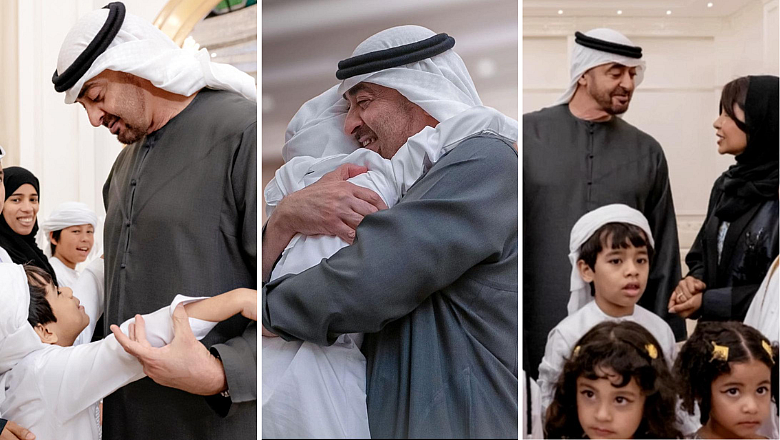
In 2020, when the Covid-19 pandemic forced much of the world indoors, an Emirati mother in Abu Dhabi found herself beginning a life-changing journey, one that would grow from fostering a child into launching a support network for families across the UAE.
Hoda Al Mashjari, an auditing and compliance expert, is a mother of four — Alyazia, 21, Mohammed, 19, and her two foster sons, Ahmad, 9, and Hamdan, 4.
Her journey into fostering began years earlier, after a visit to orphanages abroad left a lasting impression. But it was at a care centre in the UAE that everything changed.
Stay up to date with the latest news. Follow KT on WhatsApp channels.
She had initially planned to foster a girl. Instead, she met Ahmad.
She recalled the moment that would define everything that followed.
A long road to fostering
Al Mashjari said she was not initially aware that fostering was possible in the UAE. After returning from abroad, she began exploring options locally and formally applied in 2019.
The process required patience and scrutiny. Authorities assessed her home and spoke not only to her, but also to her extended family to ensure a strong support system.
“They came, saw the house, my children… and spoke to my mother, my sister, everyone around me,” she said.
Stay up to date with the latest news. Follow KT on WhatsApp channels.
Ahmad was eventually placed in her care in 2021, during a period when she was able to stay home more — something she says made a crucial difference in those early days.
‘Can I do this?’ — a difficult beginning
Soon after Ahmad joined the family, Al Mashjari began noticing behaviours that required medical attention.
He was later diagnosed with autism and ADHD.
The early months were “very difficult”.
Simple daily routines became challenging, and the family had to adjust quickly. There were moments, she said, when she found herself questioning whether she could manage the responsibility.
“You sit with yourself and ask, can I do this?” she recalled.
Despite the challenges, she never considered giving up.
Instead, she immersed herself in understanding his condition — consulting doctors, speaking to other mothers, and researching extensively. She explored everything from therapy to strict dietary routines, carefully monitoring what he ate and how he responded.
Initially hesitant about medication, she eventually followed medical advice to help manage his attention and hyperactivity.
“I read a lot and searched for anything that could help.”
While Ahmad has made major advancements, he continues to attend occupational, speech and behavioural therapy sessions. “If you see him now, you wouldn’t believe it,” she said. “Alhamdulillah.”
When systems fall short
Alongside the emotional and medical challenges, Al Mashjari also faced practical hurdles - particularly when it came to accessing services.
At the time, foster children did not immediately have official identification documents, making it difficult to access healthcare and other essential services.
She recalled having to repeatedly explain Ahmad’s situation to secure basic requirements, including Covid-related medical tests needed for school entry, navigating long processes and multiple sources to ensure he received care.
These challenges, she said, are not unique.
“If I was in another country, I couldn’t have done it,” she said, noting that support from UAE authorities ultimately helped her through. “But there are still things that can be made easier.”
Growing the family
As Ahmad grew older, Al Mashjari noticed he was becoming increasingly lonely, especially after her older children moved on to university and work. “He is very social… a leader, with a strong personality,” she said. “But he was alone.” Reflecting on that period, she said: “A paradise without people is not a paradise” — a belief that led her to bring another child into the home.
Hamdan joined the family last year at just over three years old. The move was driven largely by Ahmad’s need for companionship, to grow up with someone who shared a similar journey. The transition came with its own challenges. There was an initial period of jealousy and adjustment, and the household had to find a new balance. But today, she says, things have settled. “Everything is stable now.”
From personal struggle to public initiative
Al Mashjari’s experience ultimately led her to look beyond her own family. In 2023, she joined other foster mothers to begin working on what is now the Foster Families Association, officially approved in October last year with support from the Department of Community Development Abu Dhabi.
The organisation does not handle child placements, which remain under official entities. Instead, it focuses on awareness, guidance and support. “Our role is to guide people through the process, raise awareness, and support families,” she said.
Planned initiatives include awareness campaigns, legal and psychological consultation, peer support networks, as well as partnerships with government and private entities
One of its key priorities is addressing gaps in access to services.
Drawing from her own experience, Al Mashjari said the association hopes to build partnerships with hospitals to ensure foster children can receive treatment even before official IDs are issued.
“We want agreements so children can be treated without delay,” she explained.
A message of hope
For Al Mashjari, fostering is not just about opening a home — it is about commitment, patience and belief in long-term change. Her journey with Ahmad, she says, is proof that progress is possible, even when the beginning feels overwhelming.
“All this didn’t come with simple effort,” she noted. But today, the results speak for themselves.
What's Your Reaction?