














I do? The rise and rise of the absurdly long engagement
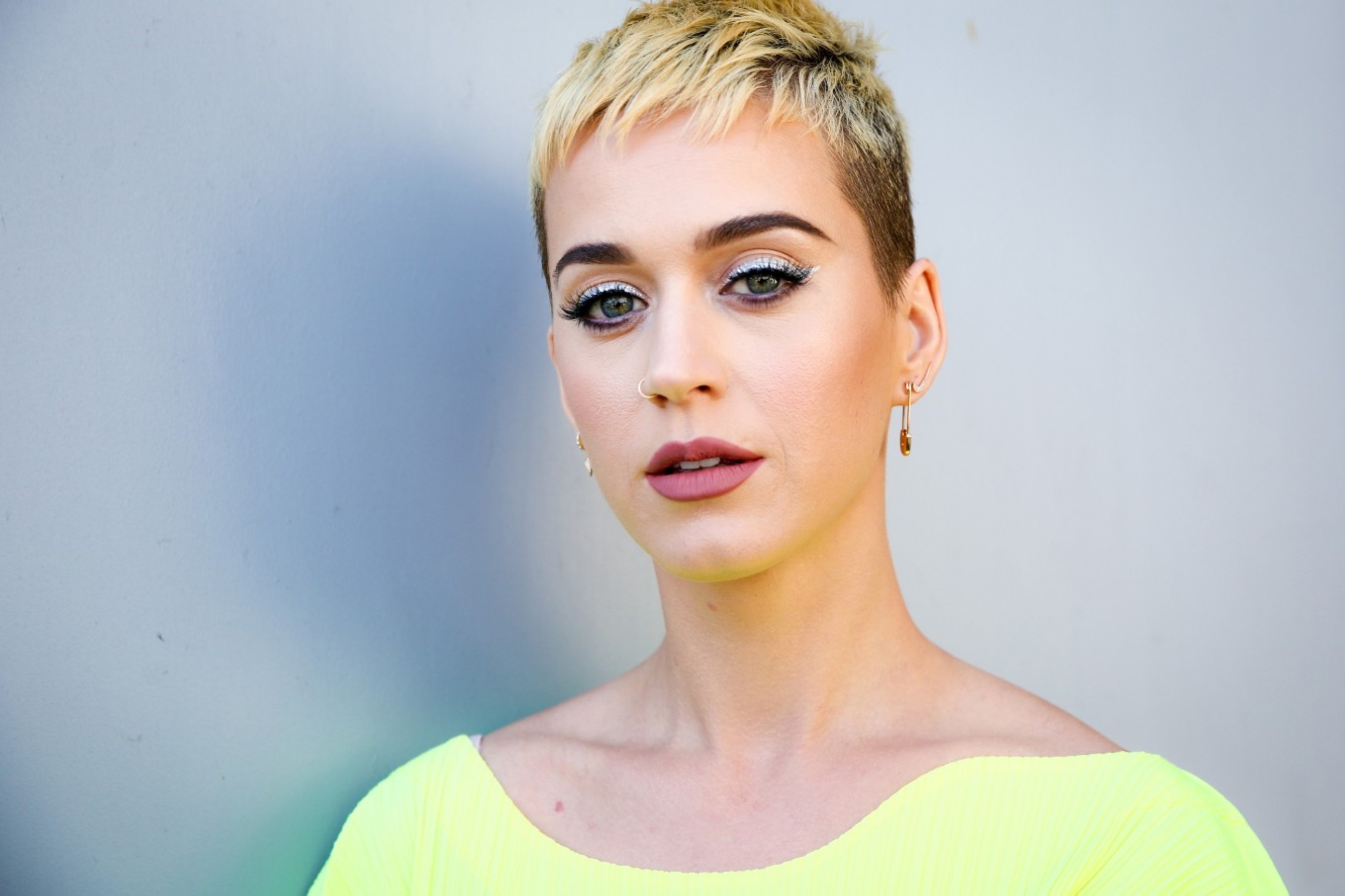
Lydia Spencer-Elliott, The IndependentWhen a couple first announces they’re engaged, the immediate reaction (all being well) is mostly “congratulations”. But the next phrase to come out of the well-wisher’s mouth is often a little more logistical: “So, when’s the wedding?” Historically, you could bet on the answer to this sitting somewhere between a year or 16 months on from the proposal. But, today, ceremonies can sit multiple years away from the day the person in love gets down on one knee.One couple living in Los Angeles, Jody Watkins and Nicholas Brucculeri, were betrothed for so long that they even threw a party celebrating one year until they’d walk down the aisle (the halfway point of their engagement) rather than simply throwing the wedding itself. “We have to relish this engaged time we have together,” the bride-to-be told the New York Times of the celebration, which is becoming known as a “negative-one” or “minus-one anniversary” party.Two years — or even three — is, of course, nothing compared to the long engagements of celebrities that have previously hit the headlines: Jean Todt and Michelle Yeoh were engaged for almost two decades. It took Amy Adams and Darren Le Gallo seven years to get down the aisle. Meanwhile, Orlando Bloom and Katy Perry, had a son in 2020 and split last June after getting engaged in 2019, with the latter now (bizarrely) coupled up with the former Canadian prime minister, Justin Trudeau.While this is not to say that all elongated engagements end in disaster, the practice extending beyond celebrities does mark a notable shift in how and why we get married today. One big change, says wedding planner and host of the Let’s Get You Wed! podcast Hannah Rose, is that people are tying the knot later. In the UK, marriage age has been steadily climbing since the Seventies, with the media age for men being 25 for men and 23 for women in 1972, according to the ONS. By 2023, this had increased to almost 35 for men and 33 for women – a whopping 10-year increase.“When people get engaged older, they often want to have a family quickly, so they focus on babies and buying a house,” says Rose of the biological clock hanging over humanity’s head. “Even 10 years ago, it was the norm to meet someone when you were young and start having children, whereas now it's really shifted,” she adds. Baby now, wedding later, with a proposal and a big diamond ring signifying just enough commitment that one party is hitching their wagon to the other’s. “It’s quite rare that we see people in their early twenties now,” she adds. “And actually, if we do get a couple that age, we think, ‘ooh, they’re young.’”Cameron and Jess, a 30-year-old couple who’ve been engaged for just under two years — and have since welcomed their first child, Philip — won’t get married any time soon. “If we’re blessed enough, we want to have maybe three or four children,” Cameron explains, adding they’d like to have “little gaps” in between each child. “That obliged us to start when we did,” he says. “Jess doesn’t want to be pregnant or trying for a baby when we get married. She just wants to be able to have a fun, enjoy the day and look beautiful. She would look beautiful regardless of it she was pregnant or not,” he adds. “But she wants to be able to enjoy it.”Money, of course, is another hurdle to manoeuvre, with the average wedding predicted to cost £32,000 by 2028. “People get engaged and then they actually start to realise just how much things cost,” says Rose. “It’s not cheap to get married. So, often people will have an engagement party if they’re not getting married for a few years because they want to celebrate with their friends and family now and then to save up properly.”
Lydia Spencer-Elliott, The IndependentWhen a couple first announces they’re engaged, the immediate reaction (all being well) is mostly “congratulations”. But the next phrase to come out of the well-wisher’s mouth is often a little more logistical: “So, when’s the wedding?” Historically, you could bet on the answer to this sitting somewhere between a year or 16 months on from the proposal. But, today, ceremonies can sit multiple years away from the day the person in love gets down on one knee.One couple living in Los Angeles, Jody Watkins and Nicholas Brucculeri, were betrothed for so long that they even threw a party celebrating one year until they’d walk down the aisle (the halfway point of their engagement) rather than simply throwing the wedding itself. “We have to relish this engaged time we have together,” the bride-to-be told the New York Times of the celebration, which is becoming known as a “negative-one” or “minus-one anniversary” party.Two years — or even three — is, of course, nothing compared to the long engagements of celebrities that have previously hit the headlines: Jean Todt and Michelle Yeoh were engaged for almost two decades. It took Amy Adams and Darren Le Gallo seven years to get down the aisle. Meanwhile, Orlando Bloom and Katy Perry, had a son in 2020 and split last June after getting engaged in 2019, with the latter now (bizarrely) coupled up with the former Canadian prime minister, Justin Trudeau.While this is not to say that all elongated engagements end in disaster, the practice extending beyond celebrities does mark a notable shift in how and why we get married today. One big change, says wedding planner and host of the Let’s Get You Wed! podcast Hannah Rose, is that people are tying the knot later. In the UK, marriage age has been steadily climbing since the Seventies, with the media age for men being 25 for men and 23 for women in 1972, according to the ONS. By 2023, this had increased to almost 35 for men and 33 for women – a whopping 10-year increase.“When people get engaged older, they often want to have a family quickly, so they focus on babies and buying a house,” says Rose of the biological clock hanging over humanity’s head. “Even 10 years ago, it was the norm to meet someone when you were young and start having children, whereas now it's really shifted,” she adds. Baby now, wedding later, with a proposal and a big diamond ring signifying just enough commitment that one party is hitching their wagon to the other’s. “It’s quite rare that we see people in their early twenties now,” she adds. “And actually, if we do get a couple that age, we think, ‘ooh, they’re young.’”Cameron and Jess, a 30-year-old couple who’ve been engaged for just under two years — and have since welcomed their first child, Philip — won’t get married any time soon. “If we’re blessed enough, we want to have maybe three or four children,” Cameron explains, adding they’d like to have “little gaps” in between each child. “That obliged us to start when we did,” he says. “Jess doesn’t want to be pregnant or trying for a baby when we get married. She just wants to be able to have a fun, enjoy the day and look beautiful. She would look beautiful regardless of it she was pregnant or not,” he adds. “But she wants to be able to enjoy it.”Money, of course, is another hurdle to manoeuvre, with the average wedding predicted to cost £32,000 by 2028. “People get engaged and then they actually start to realise just how much things cost,” says Rose. “It’s not cheap to get married. So, often people will have an engagement party if they’re not getting married for a few years because they want to celebrate with their friends and family now and then to save up properly.”
What's Your Reaction?








Economist Admin
Admin managing news updates, RSS feed curation, and PR content publishing. Focused on timely, accurate, and impactful information delivery.