

























Including Dubai South, JVC: Rents to go down in 5 communities; here's why
The growing population of Dubai is absorbing new residential property supply, especially residents who have decided to make the UAE their second home on the long term, as well as long-term investors rather than flippers.Although there are concerns about oversupply, industry insiders believe that it’s segmented and not across the board as there is a strong demand in established communities.However, prices and rents of studio and one-bedroom apartments will come under stress more than those of larger units due to supply concerns, especially in five communities—JVC/JVT, Dubai South, MBR City, Business Bay, and Dubailand Residence Complex.Stay up to date with the latest news. Follow KT on WhatsApp Channels.“Population growth is sustaining demand, with end-users absorbing newly handed-over units and continuing to invest in established communities with renovation potential. “In line with that segment of the market, residential leasing value increased by 10.5 per cent, while leasing transactions rose by 1.59 per cent,” said analysts at real estate consultancy and brokerage firm Haus & Haus.“Demand fundamentals remain strong with population growth continuing to drive demand for residential assets. Over the past 12 months, Dubai saw 208,030 new residents, a 5.2 per cent growth, reflecting organic population growth rather than speculative churn,” said Prathyusha Gurrapu, head of research at Cushman & Wakefield Core.Citywide values rose by 13 per cent year-on-year, extending the current growth cycle to 22 consecutive quarters of price appreciation. “This sustained performance continues to be driven by strong population growth, resilient end-user demand, and Dubai’s positioning as a preferred destination for global capital, talent, and long-term residency,” she said in the note.Dubai’s population crossed the four million mark last year for the first time as thousands of new residents made the emirate their second home. In addition, millions of tourists flock to the city every month, increasing demand for new units.Where will rents, prices drop?According to Cushman & Wakefield Core’s figures, over 400,000 units are under construction and announced for delivery between 2026 and 2030, but realisation rates are expected to be materially lower.“Nearly 45 per cent of under-construction stock is located across five areas: JVC/JVT, Dubai South, MBR City, Business Bay, and Dubailand Residence Complex. Approximately 66 per cent of the upcoming supply comprises studio and one-bedroom units, elevating oversupply risk for smaller units in high-delivery districts. The pipeline is also apartment-heavy, with over 86 per cent of units under construction being apartments, compared to an existing market split of approximately 80 per cent apartments and 20 per cent villas. This imbalance is expected to sustain demand and pricing resilience for villas and townhouses,” said Prathyusha Gurrapu.The Dubai residential property market’s growth pace is slowing down after a five-year rally, easing from 22 per cent in 2023 to 18 per cent in 2024, to 13 per cent in 2025 as it transitions from acceleration to normalisation.Although oversupply remains a key concern given the scale of the announced pipeline, Cushman & Wakefield Core analysts said the risk of oversupply is segment-specific, rather than market-wide.Dubai’s ready homes lead growth as rents jump to new highsDubai rents set to rise by up to 6% in 2026 amid growing populationDubai sees sharper drop in available homes under Dh1 million in 2025 as demand surges
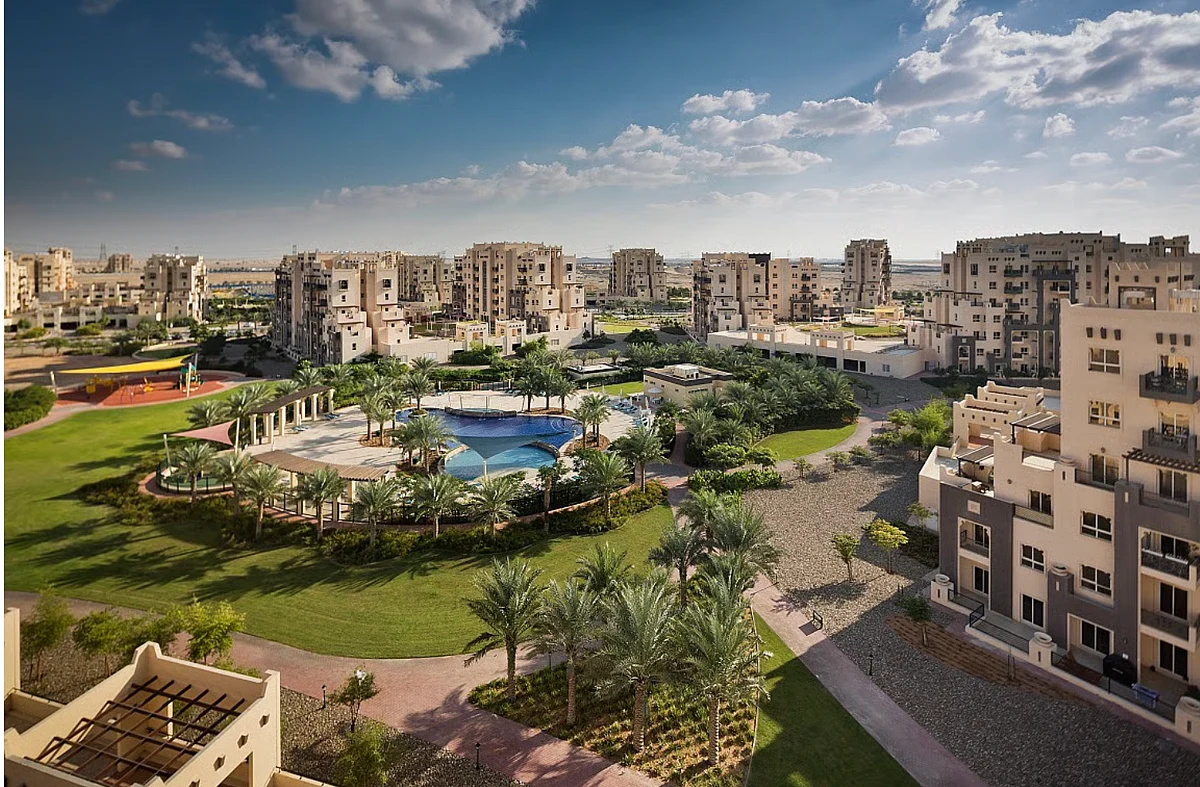
The growing population of Dubai is absorbing new residential property supply, especially residents who have decided to make the UAE their second home on the long term, as well as long-term investors rather than flippers.
Although there are concerns about oversupply, industry insiders believe that it’s segmented and not across the board as there is a strong demand in established communities.
However, prices and rents of studio and one-bedroom apartments will come under stress more than those of larger units due to supply concerns, especially in five communities—JVC/JVT, Dubai South, MBR City, Business Bay, and Dubailand Residence Complex.
Stay up to date with the latest news. Follow KT on WhatsApp Channels.
“Population growth is sustaining demand, with end-users absorbing newly handed-over units and continuing to invest in established communities with renovation potential. “In line with that segment of the market, residential leasing value increased by 10.5 per cent, while leasing transactions rose by 1.59 per cent,” said analysts at real estate consultancy and brokerage firm Haus & Haus.
“Demand fundamentals remain strong with population growth continuing to drive demand for residential assets. Over the past 12 months, Dubai saw 208,030 new residents, a 5.2 per cent growth, reflecting organic population growth rather than speculative churn,” said Prathyusha Gurrapu, head of research at Cushman & Wakefield Core.
Citywide values rose by 13 per cent year-on-year, extending the current growth cycle to 22 consecutive quarters of price appreciation. “This sustained performance continues to be driven by strong population growth, resilient end-user demand, and Dubai’s positioning as a preferred destination for global capital, talent, and long-term residency,” she said in the note.
Dubai’s population crossed the four million mark last year for the first time as thousands of new residents made the emirate their second home. In addition, millions of tourists flock to the city every month, increasing demand for new units.
Where will rents, prices drop?
According to Cushman & Wakefield Core’s figures, over 400,000 units are under construction and announced for delivery between 2026 and 2030, but realisation rates are expected to be materially lower.
“Nearly 45 per cent of under-construction stock is located across five areas: JVC/JVT, Dubai South, MBR City, Business Bay, and Dubailand Residence Complex. Approximately 66 per cent of the upcoming supply comprises studio and one-bedroom units, elevating oversupply risk for smaller units in high-delivery districts. The pipeline is also apartment-heavy, with over 86 per cent of units under construction being apartments, compared to an existing market split of approximately 80 per cent apartments and 20 per cent villas. This imbalance is expected to sustain demand and pricing resilience for villas and townhouses,” said Prathyusha Gurrapu.
The Dubai residential property market’s growth pace is slowing down after a five-year rally, easing from 22 per cent in 2023 to 18 per cent in 2024, to 13 per cent in 2025 as it transitions from acceleration to normalisation.
Although oversupply remains a key concern given the scale of the announced pipeline, Cushman & Wakefield Core analysts said the risk of oversupply is segment-specific, rather than market-wide.
What's Your Reaction?