





























India budget 2026: High-speed rail corridors, medical hubs and tax reforms
The 2026 Indian budget presented in the parliament on Sunday by finance minister Nirmala Sitharaman has offered a lot of attractive incentives for individuals, corporates (both Indian and international) and even ordinary citizens. But the stock markets reacted negatively, mainly because of the hike in the Securities Transaction Tax (STT) for Futures and Options.The budget saw the unveiling of a host of interesting features from fiscal consolidation to increasing capital expenditure substantially, and from strengthening bond markets to announcing the launch of seven new high-speed rail corridors.The rail corridors — covering major cities including Delhi, Mumbai, Pune, Hyderabad, Chennai, Varanasi and Siliguri — will ensure the running of high-speed trains that will speed the movement of millions of commuters across the country.Stay up to date with the latest news. Follow KT on WhatsApp Channels.Sitharaman has also focused on helping midsized IT firms by raising the threshold for availing safe harbour benefits from Rs3 billion to Rs20 billion. The IT sector in the country has been facing problems in its biggest market, the US; consequently, the government wants to ease some of the difficulties by recognising the sector as a major growth driver.The minister also announced measures to help the financial services sector by introducing reforms in the banking and investment sector. A high-level committee on banking is being set up for ‘Viksit Bharat’ (Developed India). The move aims to transform India to a $10 trillion economy by 2047 (when it celebrates its 100th Independence year) by boosting key sectors including the economy, education, healthcare, employment, technology and sustainability.Interestingly, the finance minister has proposed providing “a tax holiday till 2047 to any foreign company that provides cloud services to customers globally by using data centre services from India. It will, however, need to provide services to Indian customers through an Indian reseller entity," she noted. The budget has introduced a one-time, six-month, voluntary disclosure window for eligible taxpayers, including students, young professionals and returning NRIs, to regularise limited undisclosed foreign income or assets, within prescribed thresholds and with immunity from penalties and prosecution.India will also see the setting up of five regional medical hubs with the government in partnership with the private sector, to promote the country as a medical tourism hub. "These hubs will serve as integrated healthcare complexes that combine medical, educational and research facilities,” said Sitharaman. “They will have Ayush centres, medical value tourism facilitation centres and infrastructure for diagnostics, post-care and rehabilitation. These hubs will provide diverse job opportunities for health professionals, including doctors.India budget 2026: Six key measures set to boost NRI investmentsIndia budget 2026-27: What NRIs, investors and taxpayers can expect
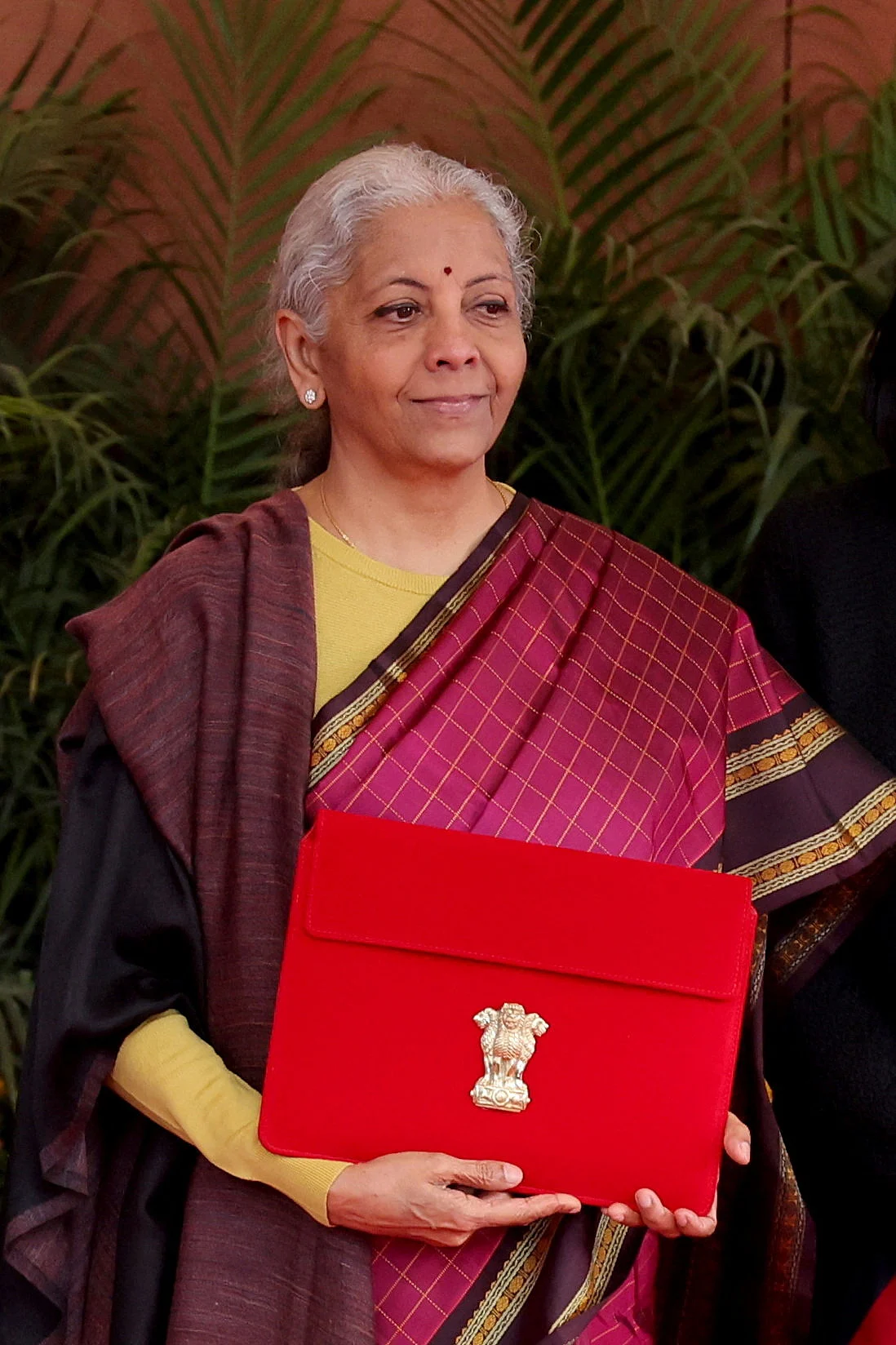
The 2026 Indian budget presented in the parliament on Sunday by finance minister Nirmala Sitharaman has offered a lot of attractive incentives for individuals, corporates (both Indian and international) and even ordinary citizens. But the stock markets reacted negatively, mainly because of the hike in the Securities Transaction Tax (STT) for Futures and Options.
The budget saw the unveiling of a host of interesting features from fiscal consolidation to increasing capital expenditure substantially, and from strengthening bond markets to announcing the launch of seven new high-speed rail corridors.
The rail corridors — covering major cities including Delhi, Mumbai, Pune, Hyderabad, Chennai, Varanasi and Siliguri — will ensure the running of high-speed trains that will speed the movement of millions of commuters across the country.
Stay up to date with the latest news. Follow KT on WhatsApp Channels.
Sitharaman has also focused on helping midsized IT firms by raising the threshold for availing safe harbour benefits from Rs3 billion to Rs20 billion. The IT sector in the country has been facing problems in its biggest market, the US; consequently, the government wants to ease some of the difficulties by recognising the sector as a major growth driver.
The minister also announced measures to help the financial services sector by introducing reforms in the banking and investment sector. A high-level committee on banking is being set up for ‘Viksit Bharat’ (Developed India). The move aims to transform India to a $10 trillion economy by 2047 (when it celebrates its 100th Independence year) by boosting key sectors including the economy, education, healthcare, employment, technology and sustainability.
Interestingly, the finance minister has proposed providing “a tax holiday till 2047 to any foreign company that provides cloud services to customers globally by using data centre services from India. It will, however, need to provide services to Indian customers through an Indian reseller entity," she noted.
The budget has introduced a one-time, six-month, voluntary disclosure window for eligible taxpayers, including students, young professionals and returning NRIs, to regularise limited undisclosed foreign income or assets, within prescribed thresholds and with immunity from penalties and prosecution.
India will also see the setting up of five regional medical hubs with the government in partnership with the private sector, to promote the country as a medical tourism hub. "These hubs will serve as integrated healthcare complexes that combine medical, educational and research facilities,” said Sitharaman. “They will have Ayush centres, medical value tourism facilitation centres and infrastructure for diagnostics, post-care and rehabilitation. These hubs will provide diverse job opportunities for health professionals, including doctors.
What's Your Reaction?