




















Indian economy charts a flexible path
Indian Finance Minister Nirmala Sitharaman in the Budget for 2026-27 she presented on Sunday showed that India needs to sustain its growth path – 7 per cent and more for over a decade, which is the fastest among the major economies in the face of a changed global scenario where advanced economies like the United States are tariff walls against other countries.Sitharaman unrolled a plan for increased allocations to public expenditure, to Infrastructure, to manufacturing and to agriculture to sustain growth. At the same time, she lowered customs duties on drugs, and facilitated the foreign investments in the country.She reiterated India’s adherence to a rules-based trading system which would benefit all the trading partners. While emphasising the need to increase India’s exports, she made it known that India would allow foreign investments, and expansion of trade which is a two-way street.The Finance Minister did not neglect the social and economic challenges facing the country. She said that it was the government’s duty to help the “the poor, the unprivileged and the disadvantaged “ and that they should become part of the economic development of the economy.For example, the Finance Minister announced that hostels would be set up in every district to enable girls to pursue higher studies. She has also announced that an Institute of Creative Technologies would be set up in Mumbai to tap into the demand for Animation, Visual Data, Gaming and Comics (AVGC) to meet the demand from Indian sources in this field.The new fields that the government of Prime Minister Narendra Modi has decided to support was that of biopharma, while creating greater facilities for medical tourism. The Modi government in the Budget has kept its eyes focused on the goal of making India a developed country by 2047 when India would celebrate its 100 years of independence.One of the achievements of the government on the economic front was to keep the fiscal deficit and inflation under control. Fiscal prudence is something that the government adhered to faithfully, and it is this which has kept the Indian economy out of trouble, even political and market uncertainties hovered over the horizon. It was navigating the ship of state through choppy waters as it were. This was not an easy job because Prime Minister Modi is aware of the needs of the vulnerable sections of society. The Budget exercise was a balancing act between the pursuit of growth and social justice.The Modi governmen has recognised that the welfare of the poorer sections can only sustained through economic growth. Welfarism is to be supported through a growth-oriented economic strategy.The Modi government has ensured political and economic stability, and it is helping India to face the global economic situation with confidence and equanimity. Through its economic programmes India has sent out a clear message that it cannot be bullied into accepting restrictions on what its economic relations with other countries should be.As a major economy with its growth potential India is proving to be a stabilising factor in the world economy. It is crucial that India maintains its growth momentum to keep the global economy steady.It is in this situation that Prime Minister Modi has been steering the country with the focus on India’s growth which will help the country and the world. It is no exaggeration that India is a crucial global player though the numbers do not fully reflect this reality.That is why what India does with its own economy is more than a matter of curiosity. By keeping its doors open to foreign investments and keeping the tariffs at reasonable levels even while it has free trade agreements with other global players, India remains the unacknowledged anchor.
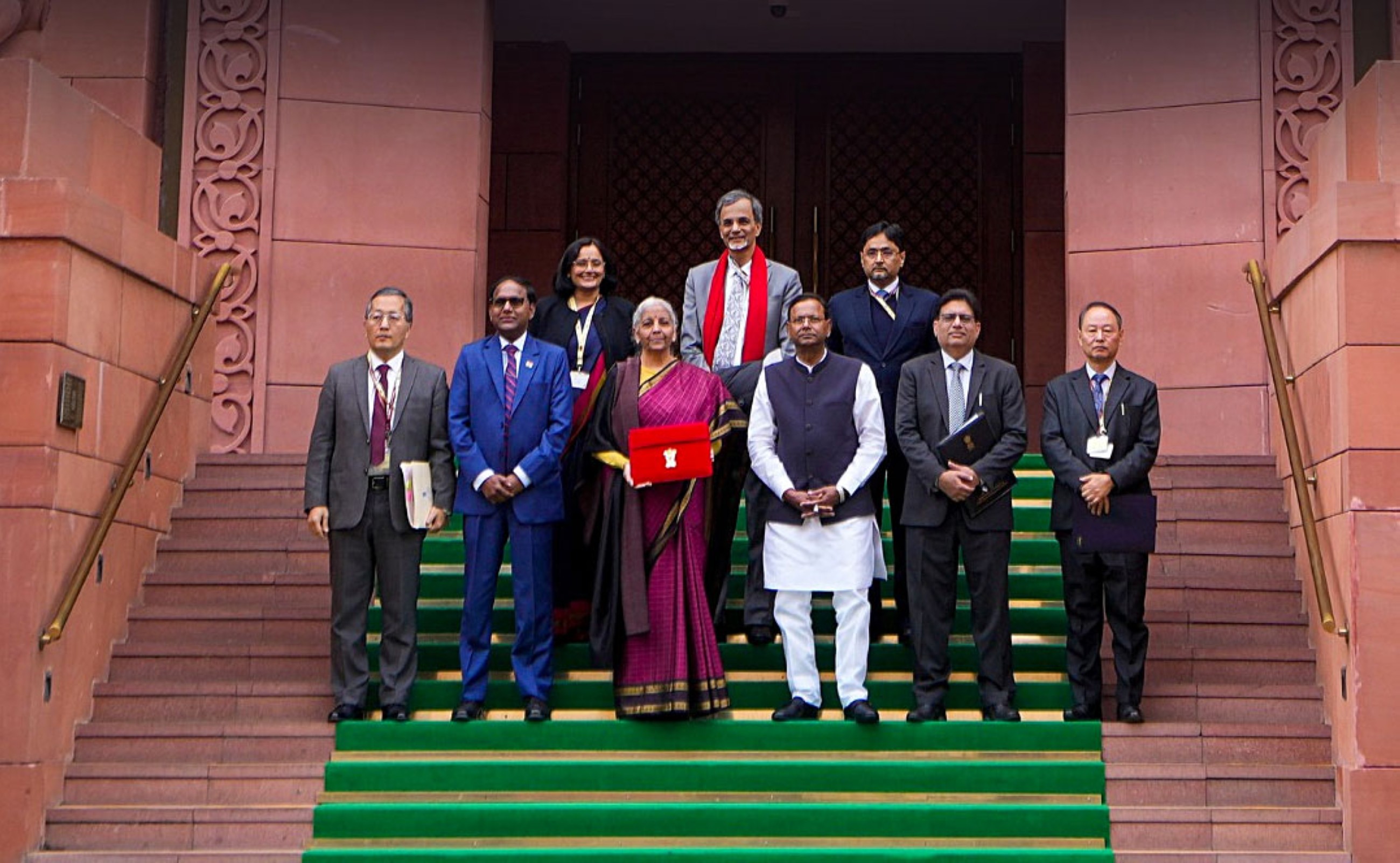
Indian Finance Minister Nirmala Sitharaman in the Budget for 2026-27 she presented on Sunday showed that India needs to sustain its growth path – 7 per cent and more for over a decade, which is the fastest among the major economies in the face of a changed global scenario where advanced economies like the United States are tariff walls against other countries.Sitharaman unrolled a plan for increased allocations to public expenditure, to Infrastructure, to manufacturing and to agriculture to sustain growth. At the same time, she lowered customs duties on drugs, and facilitated the foreign investments in the country.She reiterated India’s adherence to a rules-based trading system which would benefit all the trading partners. While emphasising the need to increase India’s exports, she made it known that India would allow foreign investments, and expansion of trade which is a two-way street.The Finance Minister did not neglect the social and economic challenges facing the country. She said that it was the government’s duty to help the “the poor, the unprivileged and the disadvantaged “ and that they should become part of the economic development of the economy.For example, the Finance Minister announced that hostels would be set up in every district to enable girls to pursue higher studies. She has also announced that an Institute of Creative Technologies would be set up in Mumbai to tap into the demand for Animation, Visual Data, Gaming and Comics (AVGC) to meet the demand from Indian sources in this field.The new fields that the government of Prime Minister Narendra Modi has decided to support was that of biopharma, while creating greater facilities for medical tourism. The Modi government in the Budget has kept its eyes focused on the goal of making India a developed country by 2047 when India would celebrate its 100 years of independence.One of the achievements of the government on the economic front was to keep the fiscal deficit and inflation under control. Fiscal prudence is something that the government adhered to faithfully, and it is this which has kept the Indian economy out of trouble, even political and market uncertainties hovered over the horizon. It was navigating the ship of state through choppy waters as it were. This was not an easy job because Prime Minister Modi is aware of the needs of the vulnerable sections of society. The Budget exercise was a balancing act between the pursuit of growth and social justice.The Modi governmen has recognised that the welfare of the poorer sections can only sustained through economic growth. Welfarism is to be supported through a growth-oriented economic strategy.The Modi government has ensured political and economic stability, and it is helping India to face the global economic situation with confidence and equanimity. Through its economic programmes India has sent out a clear message that it cannot be bullied into accepting restrictions on what its economic relations with other countries should be.As a major economy with its growth potential India is proving to be a stabilising factor in the world economy. It is crucial that India maintains its growth momentum to keep the global economy steady.It is in this situation that Prime Minister Modi has been steering the country with the focus on India’s growth which will help the country and the world. It is no exaggeration that India is a crucial global player though the numbers do not fully reflect this reality.That is why what India does with its own economy is more than a matter of curiosity. By keeping its doors open to foreign investments and keeping the tariffs at reasonable levels even while it has free trade agreements with other global players, India remains the unacknowledged anchor.
What's Your Reaction?








Economist Admin
Admin managing news updates, RSS feed curation, and PR content publishing. Focused on timely, accurate, and impactful information delivery.