























India’s growing Ramsar network
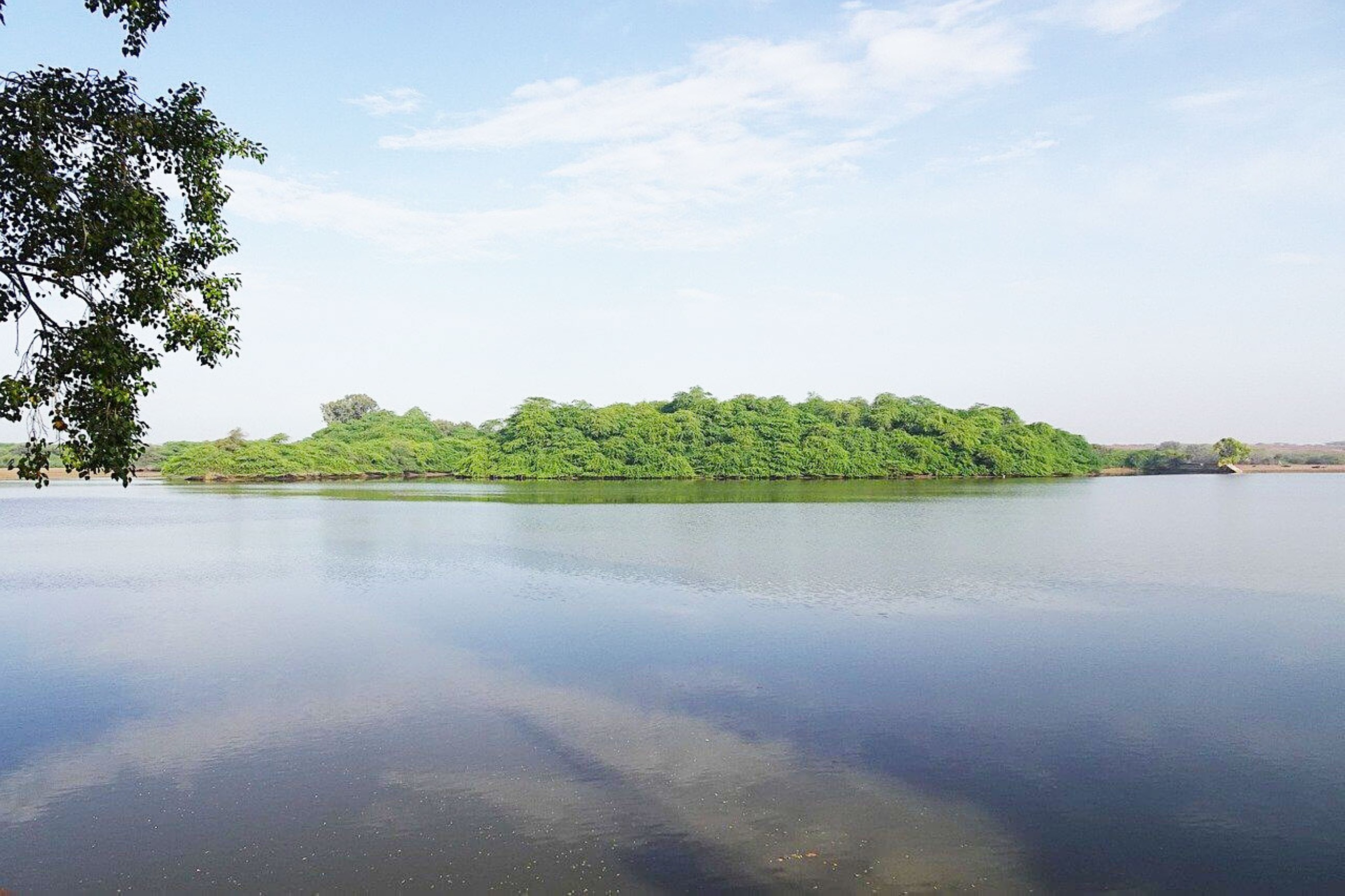
Two Indian wetlands have been added to India's growing Ramsar Network. Indian Union Minister for Environment, Forest and Climate Change Mr Bhupender Yadav announced that the Patna Bird Sanctuary in Etah district of Uttar Pradesh and Chhari-Dhand in Kutch district of Gujarat have been included in the Ramsar sites list. This is significant as the World Wetlands Day is celebrated each year on 2 February and marks the date of the adoption of the Convention on Wetlands (Ramsar Convention) on 2 February 1971 in Ramsar, Iran.The Minister stated in a post on social media platform ‘X’ that the two wetlands provide habitat to hundreds of migratory and resident bird species. The areas are also home to wildlife such as chinkara, wolves, caracal, desert cats and desert foxes, besides endangered birds. India’s Ramsar network has expanded by over 276%, from 26 sites in 2014 to 98 sites at present. He stated that the international recognition reflects India’s strong commitment to protecting the environment and conserving its wetlands.The India section of the Ramsar network highlights that Chhari Dhand in the state of Gujarat (Site no. 2588 on the List) is a seasonal saline wetland located between the arid grasslands of Banni and the salt flats of Kachchh. It floods during the monsoon season, forming extensive water bodies that provide important habitat for a wide range of plant and animal species.The Patna Bird Sanctuary in the state of Uttar Pradesh (Site no. 2589) consists of freshwater marshes, woodlands and grasslands, and is surrounded by agricultural landscape. Together, these different landscapes create a wide range of habitats and support a high level of biodiversity, reflected in the 178 bird species and 252 plant species recorded at the site. Patna Bird Sanctuary is particularly important in supporting waterbird populations and has been designated an Important Bird and Biodiversity Area (IBA) by BirdLife International. The site also provides habitat for larger species. The area is an important destination for religious tourism and nature-based recreation.As the World Wetlands Day website explains, nearly 90% of the world’s wetlands have been degraded since the 1700s, and the world is losing wetlands three times faster than forests. Yet, wetlands are critically important ecosystems that contribute to biodiversity, climate mitigation and adaptation, freshwater availability, world economies and more. It is urgent that every effort is made to raise national and global awareness about wetlands in order to reverse their rapid loss and encourage actions to conserve and restore them. The World Wetlands Day awareness campaign is organized by the Secretariat of the Convention on Wetlands. Contracting Parties of the Convention on Wetlands have been celebrating World Wetlands Day since 1997, when it was first established. It is the ideal time to increase people’s understanding of these critically important ecosystems.The Ramsar website warns that wetlands are vital for human survival. They are among the world’s most productive environments; cradles of biological diversity that provide the water and productivity upon which countless species of plants and animals depend for survival. Wetlands are indispensable for the countless benefits or “ecosystem services” that they provide humanity, ranging from freshwater supply, food and building materials, and biodiversity, to flood control, groundwater recharge, and climate change mitigation. However, wetland area and quality continue to decline in most regions of the world. As a result, the ecosystem services that wetlands provide to people are compromised. Managing wetlands is a global challenge and the Convention presently counts 172 countries as Contracting Parties, which recognize the value of having one international treaty dedicated to a single ecosystem. The Convention uses a broad definition of wetlands. This includes all lakes and rivers, underground aquifers, swamps and marshes, wet grasslands, peatlands, oases, estuaries, deltas and tidal flats, mangroves and other coastal areas, coral reefs, and all human-made sites such as fish ponds, rice paddies, reservoirs and salt pans.This year, World Wetlands Day 2026 explores the deep-rooted connections between wetlands and cultural practices, traditions and knowledge systems of communities across the world. This year’s theme is ‘Wetlands and traditional knowledge: Celebrating cultural heritage’. The global campaign spotlights the timeless role of traditional knowledge in sustaining wetland ecosystems and preserving cultural identity.
Two Indian wetlands have been added to India's growing Ramsar Network. Indian Union Minister for Environment, Forest and Climate Change Mr Bhupender Yadav announced that the Patna Bird Sanctuary in Etah district of Uttar Pradesh and Chhari-Dhand in Kutch district of Gujarat have been included in the Ramsar sites list. This is significant as the World Wetlands Day is celebrated each year on 2 February and marks the date of the adoption of the Convention on Wetlands (Ramsar Convention) on 2 February 1971 in Ramsar, Iran.The Minister stated in a post on social media platform ‘X’ that the two wetlands provide habitat to hundreds of migratory and resident bird species. The areas are also home to wildlife such as chinkara, wolves, caracal, desert cats and desert foxes, besides endangered birds. India’s Ramsar network has expanded by over 276%, from 26 sites in 2014 to 98 sites at present. He stated that the international recognition reflects India’s strong commitment to protecting the environment and conserving its wetlands.The India section of the Ramsar network highlights that Chhari Dhand in the state of Gujarat (Site no. 2588 on the List) is a seasonal saline wetland located between the arid grasslands of Banni and the salt flats of Kachchh. It floods during the monsoon season, forming extensive water bodies that provide important habitat for a wide range of plant and animal species.The Patna Bird Sanctuary in the state of Uttar Pradesh (Site no. 2589) consists of freshwater marshes, woodlands and grasslands, and is surrounded by agricultural landscape. Together, these different landscapes create a wide range of habitats and support a high level of biodiversity, reflected in the 178 bird species and 252 plant species recorded at the site. Patna Bird Sanctuary is particularly important in supporting waterbird populations and has been designated an Important Bird and Biodiversity Area (IBA) by BirdLife International. The site also provides habitat for larger species. The area is an important destination for religious tourism and nature-based recreation.As the World Wetlands Day website explains, nearly 90% of the world’s wetlands have been degraded since the 1700s, and the world is losing wetlands three times faster than forests. Yet, wetlands are critically important ecosystems that contribute to biodiversity, climate mitigation and adaptation, freshwater availability, world economies and more. It is urgent that every effort is made to raise national and global awareness about wetlands in order to reverse their rapid loss and encourage actions to conserve and restore them. The World Wetlands Day awareness campaign is organized by the Secretariat of the Convention on Wetlands. Contracting Parties of the Convention on Wetlands have been celebrating World Wetlands Day since 1997, when it was first established. It is the ideal time to increase people’s understanding of these critically important ecosystems.The Ramsar website warns that wetlands are vital for human survival. They are among the world’s most productive environments; cradles of biological diversity that provide the water and productivity upon which countless species of plants and animals depend for survival. Wetlands are indispensable for the countless benefits or “ecosystem services” that they provide humanity, ranging from freshwater supply, food and building materials, and biodiversity, to flood control, groundwater recharge, and climate change mitigation. However, wetland area and quality continue to decline in most regions of the world. As a result, the ecosystem services that wetlands provide to people are compromised. Managing wetlands is a global challenge and the Convention presently counts 172 countries as Contracting Parties, which recognize the value of having one international treaty dedicated to a single ecosystem. The Convention uses a broad definition of wetlands. This includes all lakes and rivers, underground aquifers, swamps and marshes, wet grasslands, peatlands, oases, estuaries, deltas and tidal flats, mangroves and other coastal areas, coral reefs, and all human-made sites such as fish ponds, rice paddies, reservoirs and salt pans.This year, World Wetlands Day 2026 explores the deep-rooted connections between wetlands and cultural practices, traditions and knowledge systems of communities across the world. This year’s theme is ‘Wetlands and traditional knowledge: Celebrating cultural heritage’. The global campaign spotlights the timeless role of traditional knowledge in sustaining wetland ecosystems and preserving cultural identity.
What's Your Reaction?








Economist Admin
Admin managing news updates, RSS feed curation, and PR content publishing. Focused on timely, accurate, and impactful information delivery.