Is BBQ smoke harmful? What UAE families should know this winter
Is BBQ smoke harmful? What UAE families should know this winter
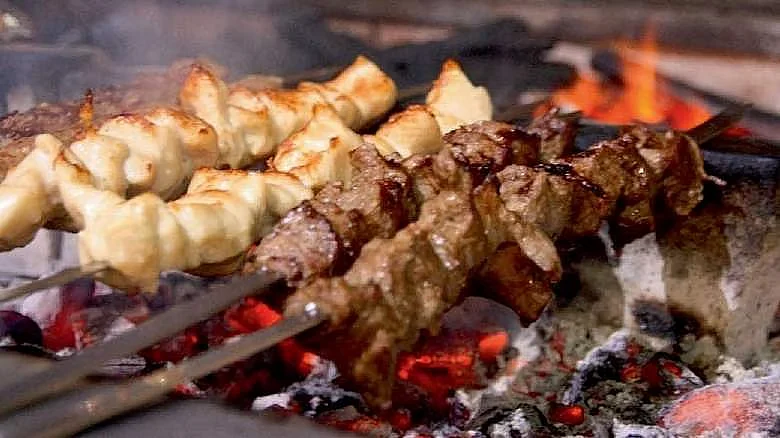
As winter sets in across the UAE, parks, beaches and backyards come alive with the smell of grilled food.
For many families, barbecuing is as much about togetherness as it is about taste.
However, doctors highlight that the smoke rising from those grills carries more than just flavour — and moderation matters. Dr Muhammed Aslam, Specialist Pulmonologist at International Modern Hospital Dubai, explains that when meat is grilled over high heat, particularly on charcoal, “smoke forms as fats and juices drip onto the heat source,” and this smoke can carry harmful compounds such as PAHs and HCAs. Research, he says, has linked these to increased cancer risk when exposure is “frequent and prolonged,” though “occasional exposure is unlikely to cause harm.”
Stay up to date with the latest news. Follow KT on WhatsApp Channels.
He adds that the danger is not immediate but becomes more relevant with “habitual grilling and consumption of heavily charred food.” The takeaway, he stresses, is “not to eliminate barbecues, but to practice moderation and safer cooking techniques.”
Passive smoke and park gatherings
Dr Mohammed Harriss of Medcare Royal Speciality Hospital Al Qusais emphasizes that BBQ smoke contains compounds that can irritate the lungs and even enter the bloodstream, increasing the risk of lung, colon and pancreatic cancers. While direct exposure is more harmful, he notes that in busy parks “so many BBQs are happening” at once, which “still amounts to passive smoking.”
He suggests practical changes such as pre-cooking meat to avoid burning it on the grill, using gas grills instead of coal to reduce carbon emissions, and adding more grilled vegetables. “Consuming too much charred blackened meat itself is not good,” he adds.
Dr Harriss also points to digestive issues often linked with BBQ meals, saying indigestion rises due to spices, high-fat meats, and overeating late at night. He advises families to “eat more vegetables and reduce the meat content, drink a lot of water,” avoid late-night meals, and take a walk afterward to aid digestion.
Children and enclosed spaces face higher risk
Doctor Hassan Aref Shabana, Professor of Respiratory Diseases and Consultant Pulmonologist at Saudi German Hospital Ajman, says risk depends not just on what you grill, but “how often, where, and for how long.” In the UAE, he notes, many families grill every weekend or several times a week, and while outdoor parks disperse smoke well, enclosed spaces like tents, farms, majlises and balconies can trap it.
He adds that children often sit or play near grills during long gatherings, and that charcoal produces more harmful particles than gas. Short-term effects include coughing, throat irritation and airway inflammation, while long-term concerns centre on cumulative exposure to carcinogens.
“For most families who grill occasionally in open areas, doctors generally describe the risk as low but not zero,” he says, adding that concern increases with chronic exposure, “especially for children and those with asthma or existing lung disease.”
What's Your Reaction?