















‘My country was riding with me:’ Emirati adventurer
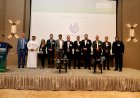
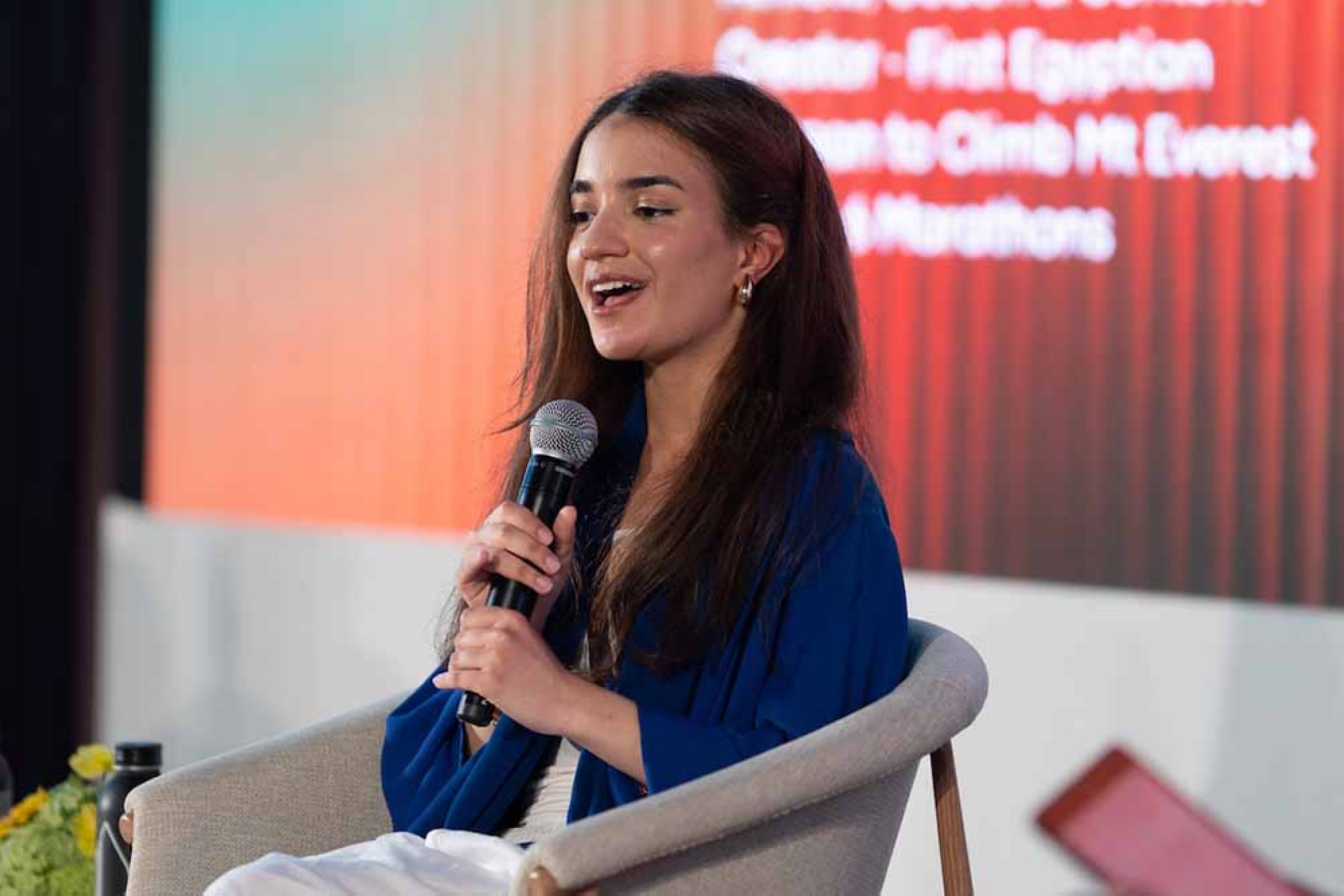
The ninth Sharjah Entrepreneurship Festival (SEF 2026) offered audiences a rare, unfiltered look into the inner worlds of three Arab women who have redefined what endurance, leadership, and courage look like beyond the summit.Speaking during the session “Discussion with firsts: Pioneering in sports and athletics”, Manal Rostom, the first Egyptian woman to summit Mount Everest and complete the Six World Marathon Majors, Fatima Abdulrahman Al Awadhi, 18, the youngest Emirati and first Arab teenager to scale Antarctica’s highest peak, and Fatima Alloghani, an Emirati adventure bike rider who has travelled more than 7,000 kilometres across 17 countries, shared deeply personal reflections on fear, faith, discipline, and the unseen emotional work behind historic achievements.Vulnerability as strength, not weaknessResponding to a question on vulnerability, Rostom recalled a moment she chose to share publicly while climbing Everest. “I posted a video of myself crying,” she said. “Saying, ‘This is hard. I don’t think I can do it.’ The love I received made me realize that vulnerability is the new strong. Killing my ego was my biggest lesson from the death zone.”While her climbs have made headlines, Rostom spoke candidly about the responsibility that followed visibility. “The story stops being about you,” she said. “You become responsible to everyone who sees you as a role model. I didn’t sign up to be a leader. I became what people needed.”Turning grief into purposeFor Al Awadhi, mountaineering began during a school trip to Nepal, at a time when her father had been in a coma for four years. “In nature, I found peace,” she said. “I sat by a campfire, opened my notes app, wrote down the Seven Summits, and decided I would do them.”Within months, she climbed Kilimanjaro. Shortly after, her father passed away. “I asked myself, what’s my purpose now?” she said. “It became about turning pain into power.”Mental fitness before physical strengthModerated by Omar Al Duri, Radio Show Host at Pulse 95 Radio, the discussion explored mental resilience as the foundation of performance.“For me, mental strength is prayer. Faith over fear,” Rostom said. “Ten minutes of stillness every morning after Fajr. I don’t want to miss a single day of my life.”She added that silence can be confronting, sharing that she began therapy after repeated failures on Aconcagua. “If your silence is loud, you have a problem,” she said. “Talking to someone who won’t judge you helps you understand trauma you didn’t know you carried.”Al Awadhi described a different discipline. “I separate my worlds,” she said. “I’m a full-time university student on scholarship. My Google Calendar is filled to the brim. Don’t let yesterday affect today, and don’t let tomorrow’s stress steal today’s clarity.”Calm as a conscious choiceRecounting a moment in Antarctica when her glasses froze while she was on fixed ropes, Al Awadhi described navigating back to camp almost blind. “I asked myself: is this the worst situation? No. Is there a solution? Yes. So why panic?” The experience barely stayed with her. “Because I stayed calm,” she said. “Fear will always be there. You just don’t let it lead you.”Rostom echoed the sentiment. “People think pioneers are fearless. That’s the biggest myth,” she said. “When you don’t see someone who looks like you doing it, you become that person.”Finding identity on the roadFor Alloghani, who has crossed 17 countries on her motorcycle, the journey was never about rebellion. “I did not ride to rebel. I did not ride for freedom,” she said. “I rode to find myself.”She described shedding layers of expectation while travelling alone. “The hardest part was not crossing borders,” she said. “It was crossing the borders inside me.”After thousands of kilometres, another realization followed. “I always thought I was riding alone,” she said. “But I was not riding alone. My country was riding with me. Her final reflection reframed the idea of discovery. “Sometimes it doesn’t take a leap to find yourself,” she said. “You just have to take the first step, and everything becomes history.”In her case, that step reshaped three words into identity rather than doubt: Woman. Emirati. Alone.
The ninth Sharjah Entrepreneurship Festival (SEF 2026) offered audiences a rare, unfiltered look into the inner worlds of three Arab women who have redefined what endurance, leadership, and courage look like beyond the summit.Speaking during the session “Discussion with firsts: Pioneering in sports and athletics”, Manal Rostom, the first Egyptian woman to summit Mount Everest and complete the Six World Marathon Majors, Fatima Abdulrahman Al Awadhi, 18, the youngest Emirati and first Arab teenager to scale Antarctica’s highest peak, and Fatima Alloghani, an Emirati adventure bike rider who has travelled more than 7,000 kilometres across 17 countries, shared deeply personal reflections on fear, faith, discipline, and the unseen emotional work behind historic achievements.Vulnerability as strength, not weaknessResponding to a question on vulnerability, Rostom recalled a moment she chose to share publicly while climbing Everest. “I posted a video of myself crying,” she said. “Saying, ‘This is hard. I don’t think I can do it.’ The love I received made me realize that vulnerability is the new strong. Killing my ego was my biggest lesson from the death zone.”While her climbs have made headlines, Rostom spoke candidly about the responsibility that followed visibility. “The story stops being about you,” she said. “You become responsible to everyone who sees you as a role model. I didn’t sign up to be a leader. I became what people needed.”Turning grief into purposeFor Al Awadhi, mountaineering began during a school trip to Nepal, at a time when her father had been in a coma for four years. “In nature, I found peace,” she said. “I sat by a campfire, opened my notes app, wrote down the Seven Summits, and decided I would do them.”Within months, she climbed Kilimanjaro. Shortly after, her father passed away. “I asked myself, what’s my purpose now?” she said. “It became about turning pain into power.”Mental fitness before physical strengthModerated by Omar Al Duri, Radio Show Host at Pulse 95 Radio, the discussion explored mental resilience as the foundation of performance.“For me, mental strength is prayer. Faith over fear,” Rostom said. “Ten minutes of stillness every morning after Fajr. I don’t want to miss a single day of my life.”She added that silence can be confronting, sharing that she began therapy after repeated failures on Aconcagua. “If your silence is loud, you have a problem,” she said. “Talking to someone who won’t judge you helps you understand trauma you didn’t know you carried.”Al Awadhi described a different discipline. “I separate my worlds,” she said. “I’m a full-time university student on scholarship. My Google Calendar is filled to the brim. Don’t let yesterday affect today, and don’t let tomorrow’s stress steal today’s clarity.”Calm as a conscious choiceRecounting a moment in Antarctica when her glasses froze while she was on fixed ropes, Al Awadhi described navigating back to camp almost blind. “I asked myself: is this the worst situation? No. Is there a solution? Yes. So why panic?” The experience barely stayed with her. “Because I stayed calm,” she said. “Fear will always be there. You just don’t let it lead you.”Rostom echoed the sentiment. “People think pioneers are fearless. That’s the biggest myth,” she said. “When you don’t see someone who looks like you doing it, you become that person.”Finding identity on the roadFor Alloghani, who has crossed 17 countries on her motorcycle, the journey was never about rebellion. “I did not ride to rebel. I did not ride for freedom,” she said. “I rode to find myself.”She described shedding layers of expectation while travelling alone. “The hardest part was not crossing borders,” she said. “It was crossing the borders inside me.”After thousands of kilometres, another realization followed. “I always thought I was riding alone,” she said. “But I was not riding alone. My country was riding with me. Her final reflection reframed the idea of discovery. “Sometimes it doesn’t take a leap to find yourself,” she said. “You just have to take the first step, and everything becomes history.”In her case, that step reshaped three words into identity rather than doubt: Woman. Emirati. Alone.
What's Your Reaction?







Economist Admin
Admin managing news updates, RSS feed curation, and PR content publishing. Focused on timely, accurate, and impactful information delivery.