



















New excise tax from January 1: UAE classifies four categories of sweetened products
UAE consumers will have to pay excise tax on sweetened drinks based on the total quantity of sugar from this week, for four categories of drinks.Starting January 1, 2026, the UAE’s Federal Tax Authority (FTA) said the tax will follow a “tiered-volumetric model”, which means the amount of tax imposed per litre of a sweetened drink is linked to the total quantity of sugar and other sweeteners per 100ml of the drink.Under the new mechanism, the FTA clarified that excise tax will be calculated based on the total content of sugar (natural sugar, added sugar, and artificial sweeteners or other sweeteners) in a sweetened drink, where it contains added sugar or other sweeteners (such as honey). This applies whether the product is ready to drink or in the form of concentrates, powders, gels, extracts, or any other form that can be converted into a sweetened drink. However, if a beverage contains only natural sugar, with no added sugar or other sweeteners, excise tax will not be applied.Stay up to date with the latest news. Follow KT on Whatsapp Channels.It further explained that, for sweetened drinks that are not ready to drink, such as extracts, powders, gels, and similar products, information on sugar content and serving size must be provided. Serving size refers to the total number of servings that can be prepared in accordance with the preparation instructions stated on the product label,This is to avoid any suspension of the product’s registration, which could subsequently affect import procedures. Excise tax on sweetened drinks will be applied based into the following categories:High-sugar sweetened drinks which contain 8 grams or more of total sugar and other sweeteners per 100ml are subject to excise tax at a rate of Dh1.09 per litre.Moderate-sugar sweetened drinks that have 5 grams or more and less than 8 grams of total sugar and other sweeteners per 100ml are subject to excise tax at a rate of Dh0.79 per litre.Low-sugar sweetened drinks that contain less than 5 grams of total sugar and other sweeteners per 100ml are subject to zero dirhams per litre excise tax.Artificially sweetened drinks that contain only artificial sweeteners or contain artificial sweeteners and sugar or other sweeteners of less than five 5 grams per 100ml, are subject to zero dirhams per litre excise tax.Tax on carbonated and energy drinksThe FTA further confirmed that, with the implementation of the new mechanism, carbonated drinks will no longer be classified as a separate category of excise goods. Instead, the applicability of excise tax to carbonated drinks will be determined based on their sugar and sweetener content and whether they are classified as sweetened drinks.Energy drinks, however, will remain subject to excise tax under the current calculation method, at a rate of 100 per cent of the excise price, and will not be subject to the “tiered-volumetric model.”This initiative will accelerate the development of a safe and healthy society by reducing the consumption of harmful goods. It will also help mitigate the societal impacts and costs associated with combating non-communicable diseases resulting from consumption patterns that are detrimental to public health.To roll out the smooth implementation of the excise tax, the FTA has launched a new service for registering the sweetened drinks via the EmaraTax digital tax services platform. This new excise tax calculation mechanism is based on the “tiered-volumetric model”, replacing the current method of calculating the Excise Tax as a fixed-rate.A certificate is a mustMoreover, the FTA said that all producers, importers, and stockpilers of sweetened drinks will be required to obtain the “Emirates Conformity Certificate for Sugar and Sweeteners Content in Beverages (for Excise Tax purposes)” through the official website of the Ministry of Industry and Advanced Technology from January 1, 2026.This must be done after obtaining laboratory test results from one of the accredited laboratories listed on the official websites of the UAE’s accreditation bodies (the National Accreditation Department and the Emirates International Accreditation Centre).After obtaining the certificate, it must be submitted to the FTA while registering or updating the registration of the beverages via the EmaraTax digital tax services platform.The authority informed that if this mandatory certificate is not obtained and submitted as part of the registration procedures, the beverage will be classified as a sweetened drink under the “High Sugar” category until a laboratory report is provided proving that its sugar content is below the threshold prescribed for this category.From sugar tax to flying taxis: 12 new things UAE residents can expect in 2026Abu Dhabi launches new service to measure added sugar in beveragesUAE: Is stevia better for you than sugar? Doctors clarify
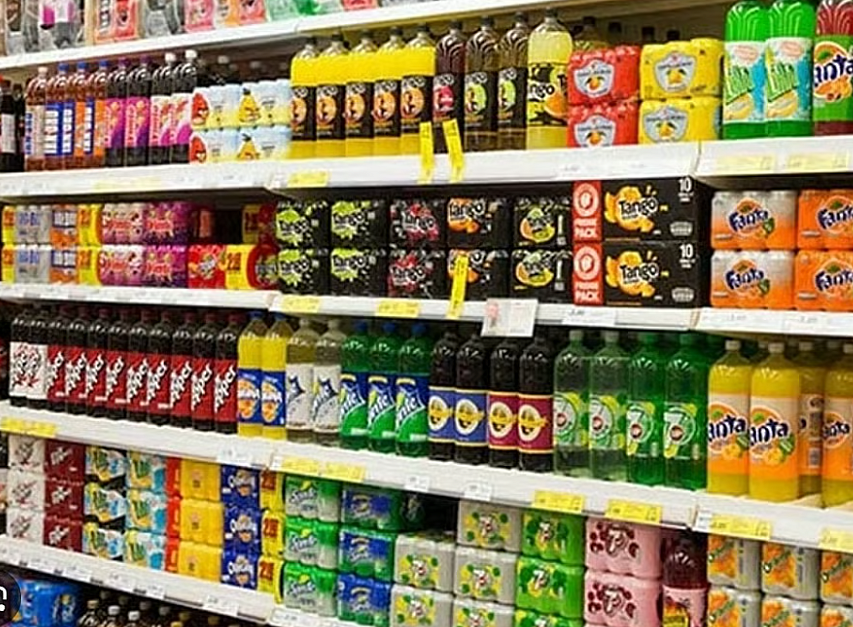
UAE consumers will have to pay excise tax on sweetened drinks based on the total quantity of sugar from this week, for four categories of drinks.
Starting January 1, 2026, the UAE’s Federal Tax Authority (FTA) said the tax will follow a “tiered-volumetric model”, which means the amount of tax imposed per litre of a sweetened drink is linked to the total quantity of sugar and other sweeteners per 100ml of the drink.
Under the new mechanism, the FTA clarified that excise tax will be calculated based on the total content of sugar (natural sugar, added sugar, and artificial sweeteners or other sweeteners) in a sweetened drink, where it contains added sugar or other sweeteners (such as honey). This applies whether the product is ready to drink or in the form of concentrates, powders, gels, extracts, or any other form that can be converted into a sweetened drink. However, if a beverage contains only natural sugar, with no added sugar or other sweeteners, excise tax will not be applied.
Stay up to date with the latest news. Follow KT on Whatsapp Channels.
It further explained that, for sweetened drinks that are not ready to drink, such as extracts, powders, gels, and similar products, information on sugar content and serving size must be provided.
Serving size refers to the total number of servings that can be prepared in accordance with the preparation instructions stated on the product label,
This is to avoid any suspension of the product’s registration, which could subsequently affect import procedures.
Excise tax on sweetened drinks will be applied based into the following categories:
High-sugar sweetened drinks which contain 8 grams or more of total sugar and other sweeteners per 100ml are subject to excise tax at a rate of Dh1.09 per litre.
Moderate-sugar sweetened drinks that have 5 grams or more and less than 8 grams of total sugar and other sweeteners per 100ml are subject to excise tax at a rate of Dh0.79 per litre.
Low-sugar sweetened drinks that contain less than 5 grams of total sugar and other sweeteners per 100ml are subject to zero dirhams per litre excise tax.
Artificially sweetened drinks that contain only artificial sweeteners or contain artificial sweeteners and sugar or other sweeteners of less than five 5 grams per 100ml, are subject to zero dirhams per litre excise tax.
Tax on carbonated and energy drinks
The FTA further confirmed that, with the implementation of the new mechanism, carbonated drinks will no longer be classified as a separate category of excise goods. Instead, the applicability of excise tax to carbonated drinks will be determined based on their sugar and sweetener content and whether they are classified as sweetened drinks.
Energy drinks, however, will remain subject to excise tax under the current calculation method, at a rate of 100 per cent of the excise price, and will not be subject to the “tiered-volumetric model.”
This initiative will accelerate the development of a safe and healthy society by reducing the consumption of harmful goods. It will also help mitigate the societal impacts and costs associated with combating non-communicable diseases resulting from consumption patterns that are detrimental to public health.
To roll out the smooth implementation of the excise tax, the FTA has launched a new service for registering the sweetened drinks via the EmaraTax digital tax services platform. This new excise tax calculation mechanism is based on the “tiered-volumetric model”, replacing the current method of calculating the Excise Tax as a fixed-rate.
A certificate is a must
Moreover, the FTA said that all producers, importers, and stockpilers of sweetened drinks will be required to obtain the “Emirates Conformity Certificate for Sugar and Sweeteners Content in Beverages (for Excise Tax purposes)” through the official website of the Ministry of Industry and Advanced Technology from January 1, 2026.
This must be done after obtaining laboratory test results from one of the accredited laboratories listed on the official websites of the UAE’s accreditation bodies (the National Accreditation Department and the Emirates International Accreditation Centre).
After obtaining the certificate, it must be submitted to the FTA while registering or updating the registration of the beverages via the EmaraTax digital tax services platform.
The authority informed that if this mandatory certificate is not obtained and submitted as part of the registration procedures, the beverage will be classified as a sweetened drink under the “High Sugar” category until a laboratory report is provided proving that its sugar content is below the threshold prescribed for this category.
What's Your Reaction?