

























Russia curbs WhatsApp, steers users to Max
Russia has moved to block WhatsApp across its territory, citing alleged breaches of domestic legislation, in a decision that signals a sharper turn towards state-aligned digital platforms and tighter control over online communications. Telecoms watchdog Roskomnadzor said access to the Meta-owned messaging service had been restricted following what officials described as repeated failures to comply with data localisation and content moderation rules. The regulator argued that foreign […] The article Russia curbs WhatsApp, steers users to Max appeared first on Arabian Post.
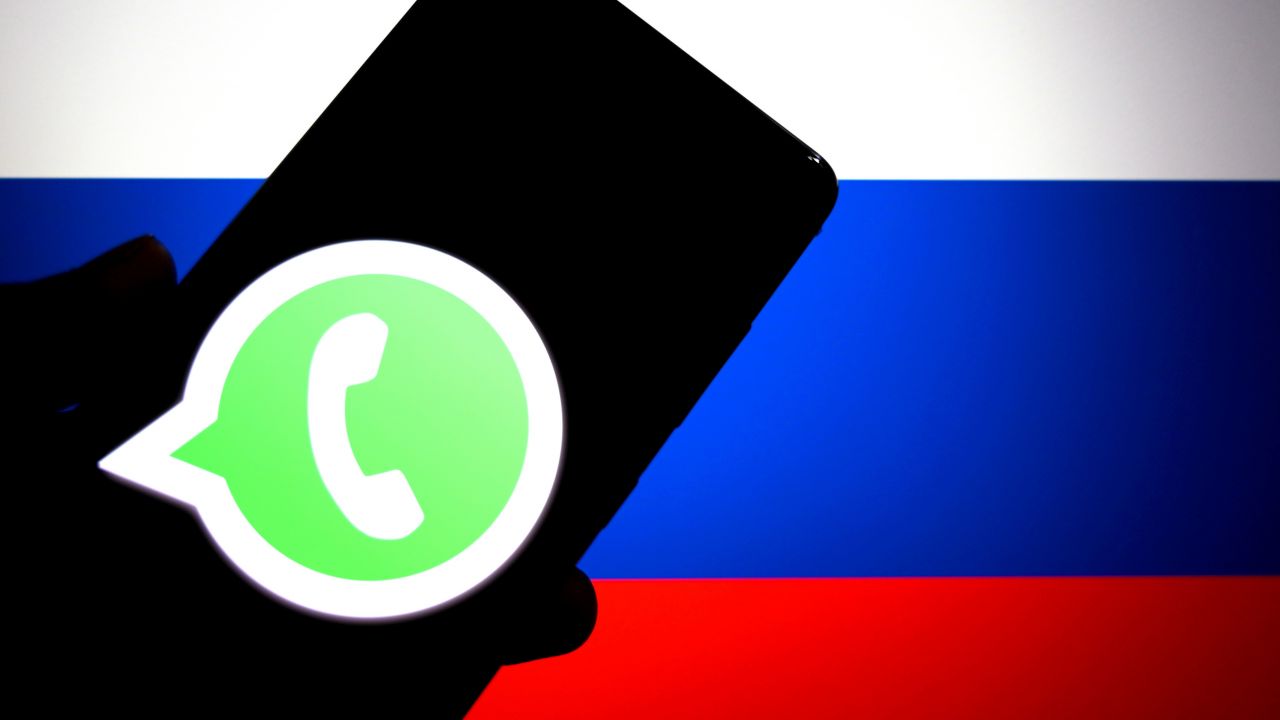
Russia has moved to block WhatsApp across its territory, citing alleged breaches of domestic legislation, in a decision that signals a sharper turn towards state-aligned digital platforms and tighter control over online communications.
Telecoms watchdog Roskomnadzor said access to the Meta-owned messaging service had been restricted following what officials described as repeated failures to comply with data localisation and content moderation rules. The regulator argued that foreign platforms operating in the country must store user data on Russian servers and adhere to directives aimed at removing content deemed unlawful.
Access disruptions were reported in Moscow, St Petersburg and other major cities, with users saying messages failed to send and calls could not connect without virtual private networks. The clampdown places WhatsApp alongside a growing list of Western technology services curtailed or blocked since the escalation of geopolitical tensions in 2022.
Authorities have encouraged citizens to migrate to Max, a state-backed messaging application promoted as a secure domestic alternative. Officials describe the platform as compliant with national legislation and capable of integrating with government services. State media have highlighted its encryption features and ease of use, presenting it as a patriotic choice at a time when foreign technology firms face mounting scrutiny.
Critics, however, say the move deepens concerns over digital privacy and surveillance. Human rights groups and independent technology analysts argue that domestically controlled platforms may offer authorities greater access to user data, particularly in a regulatory environment that mandates cooperation with security services. Russia’s laws require telecommunications providers and internet companies to assist law enforcement agencies with decryption and data retention under certain circumstances.
Meta, the parent company of WhatsApp, has already been designated an extremist organisation in Russia, a label that followed the banning of Facebook and Instagram. WhatsApp had remained accessible until now, widely used for personal and business communications. Industry estimates suggest tens of millions of users relied on the app, including small enterprises that use it for customer engagement and cross-border trade.
The government maintains that its actions are rooted in sovereignty and legal compliance rather than political censorship. Officials point to similar regulatory measures adopted elsewhere, including data localisation requirements and efforts to curb disinformation. They argue that foreign platforms must respect national laws if they wish to operate in the country.
Yet the broader context underscores a sustained drive towards digital self-reliance. Since 2022, authorities have accelerated policies aimed at reducing dependence on Western technology, from payment systems to cloud services. Domestic social networks and video platforms have gained prominence as global counterparts withdrew or faced restrictions.
Technology policy experts say the blocking of WhatsApp marks a pivotal moment because of the app’s ubiquity. Unlike social media networks that function primarily as public forums, messaging services are central to private communication. Curtailing such a tool reshapes how citizens interact with each other and with the outside world.
Max’s rapid promotion reflects the state’s strategy of filling the vacuum left by departing or restricted services. Backed by public and private sector partnerships, the app is positioned as a comprehensive ecosystem that could integrate messaging, digital identity and potentially financial services. Similar models exist in other markets where “super apps” have consolidated multiple functions into a single platform.
Concerns about surveillance are amplified by legislation passed over the past decade, including laws that expanded state oversight of internet traffic and enabled the creation of a sovereign internet infrastructure. Authorities have conducted tests aimed at ensuring that the domestic segment of the internet can function independently from the global web.
Business leaders have expressed mixed reactions. Some see opportunity in strengthening local technology champions, arguing that it could spur investment and innovation within the country. Others warn that isolation from global platforms may hinder competitiveness and complicate international commerce, particularly for firms reliant on cross-border communication.
Users interviewed by local media described confusion and frustration. Small retailers and service providers said WhatsApp was integral to their operations, while families with relatives abroad worried about losing a familiar channel of contact. Downloads of Max surged following the announcement, according to app analytics data, though it remains unclear whether usage will match that of the blocked service.
The development adds to a global debate over digital sovereignty and the balance between national regulation and open internet principles. Governments around the world are grappling with how to regulate powerful technology companies, but approaches differ widely. Russia’s method has tended towards outright blocking where compliance disputes arise.
The article Russia curbs WhatsApp, steers users to Max appeared first on Arabian Post.
What's Your Reaction?