


































Structural shifts in India’s power sector
The Indian Central Electricity Authority’s (CEA) recently released its All India Electricity Statistics-General Review 2025 report. As an analysis by the Down To Earth (DTE) magazine highlights, India’s electricity system has moved decisively beyond chronic shortages into a more complex phase of managing utilisation, grid stress and industrial self-generation, as rapid renewable energy growth reshapes — but does not yet replace — coal’s central role. India’s installed electricity generation capacity rose to 441.97 gigawatt (GW) as of March 2024, while total power generation crossed 1734 billion units, signalling a structural shift in the country’s power mix led by clean energy expansion.The DTE analysis adds that thermal power — dominated by coal — remained the backbone of India’s electricity system, generating 1326.5 billion units, or over 76% of total utility generation in 2023-24. While coal’s absolute output continues to rise, its share of installed capacity has steadily declined as renewable additions accelerate and demand growth moderates. The data underscores India’s emerging dual power system: renewables increasingly meet capacity expansion, peak demand and renewable purchase obligations, while coal continues to supply the bulk of round-the-clock energy and grid stability. Renewable energy sources, excluding large hydro, accounted for 143.64 GW of installed capacity — up from just 34.99 GW in 2014 — representing a compound annual growth rate of over 15% during the decade. Renewable electricity generation reached 225.8 billion units in 2023–24, more than three times its level a decade earlier. Yet despite accounting for over one-third of installed utility capacity, renewables contributed only around 14% of utility electricity generation, highlighting a widening gap between capacity addition and actual energy delivered.As per the DTE analysis, taken together, the data suggests India’s energy transition has entered a new phase — one focused less on building capacity and more on using it efficiently, strengthening urban delivery, integrating storage and addressing coal-heavy captive power. As renewables continue to surge, the central challenge ahead will be managing coal’s gradual shift from growth driver to balancing backbone without undermining reliability or climate goals.The CREA report concludes that Indiaʼs challenge is no longer one of total capacity adequacy. Rather, the priority is to strengthen flexibility across the power system. Reducing the minimum technical load of coal units, scaling battery storage, and upgrading transmission infrastructure are now essential to fully harness renewable generation and to avoid unnecessary investments in new coal capacity that the system does not need.India’s National Statistics Office has also released its annual ‘Energy Statistics India 2025’ publication, offering a comprehensive dataset on India’s energy sector. According to an Indian Press Information Bureau media release, as of March 31, 2024, India’s estimated potential for renewable energy generation stood at an impressive 2,109,655 MW. Wind power holds the largest share of this potential, accounting for 1,163,856 MW (approximately 55%). This is followed by solar energy with a potential of 748,990 MW and large hydro projects with a potential of 133,410 MW. Notably, more than half of this renewable energy potential remains untapped. This report includes vital information on reserves, capacity, production, consumption, and trade of various energy commodities.
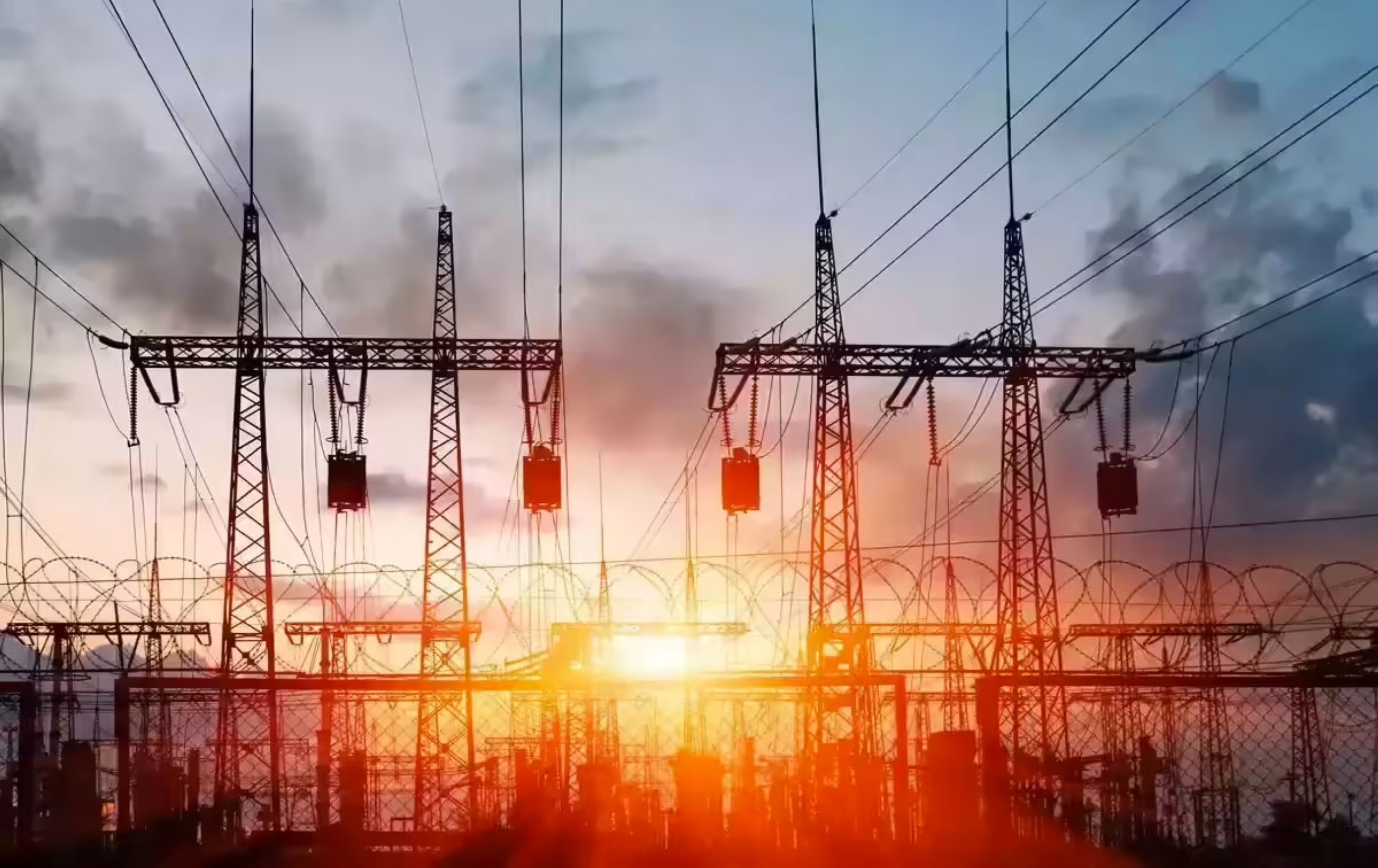
The Indian Central Electricity Authority’s (CEA) recently released its All India Electricity Statistics-General Review 2025 report. As an analysis by the Down To Earth (DTE) magazine highlights, India’s electricity system has moved decisively beyond chronic shortages into a more complex phase of managing utilisation, grid stress and industrial self-generation, as rapid renewable energy growth reshapes — but does not yet replace — coal’s central role. India’s installed electricity generation capacity rose to 441.97 gigawatt (GW) as of March 2024, while total power generation crossed 1734 billion units, signalling a structural shift in the country’s power mix led by clean energy expansion.The DTE analysis adds that thermal power — dominated by coal — remained the backbone of India’s electricity system, generating 1326.5 billion units, or over 76% of total utility generation in 2023-24. While coal’s absolute output continues to rise, its share of installed capacity has steadily declined as renewable additions accelerate and demand growth moderates. The data underscores India’s emerging dual power system: renewables increasingly meet capacity expansion, peak demand and renewable purchase obligations, while coal continues to supply the bulk of round-the-clock energy and grid stability. Renewable energy sources, excluding large hydro, accounted for 143.64 GW of installed capacity — up from just 34.99 GW in 2014 — representing a compound annual growth rate of over 15% during the decade. Renewable electricity generation reached 225.8 billion units in 2023–24, more than three times its level a decade earlier. Yet despite accounting for over one-third of installed utility capacity, renewables contributed only around 14% of utility electricity generation, highlighting a widening gap between capacity addition and actual energy delivered.As per the DTE analysis, taken together, the data suggests India’s energy transition has entered a new phase — one focused less on building capacity and more on using it efficiently, strengthening urban delivery, integrating storage and addressing coal-heavy captive power. As renewables continue to surge, the central challenge ahead will be managing coal’s gradual shift from growth driver to balancing backbone without undermining reliability or climate goals.The CREA report concludes that Indiaʼs challenge is no longer one of total capacity adequacy. Rather, the priority is to strengthen flexibility across the power system. Reducing the minimum technical load of coal units, scaling battery storage, and upgrading transmission infrastructure are now essential to fully harness renewable generation and to avoid unnecessary investments in new coal capacity that the system does not need.India’s National Statistics Office has also released its annual ‘Energy Statistics India 2025’ publication, offering a comprehensive dataset on India’s energy sector. According to an Indian Press Information Bureau media release, as of March 31, 2024, India’s estimated potential for renewable energy generation stood at an impressive 2,109,655 MW. Wind power holds the largest share of this potential, accounting for 1,163,856 MW (approximately 55%). This is followed by solar energy with a potential of 748,990 MW and large hydro projects with a potential of 133,410 MW. Notably, more than half of this renewable energy potential remains untapped. This report includes vital information on reserves, capacity, production, consumption, and trade of various energy commodities.
What's Your Reaction?








Economist Admin
Admin managing news updates, RSS feed curation, and PR content publishing. Focused on timely, accurate, and impactful information delivery.