















TRPs over truth: The media war around India-Pakistan cricket
At 76, Tariq Butt shows no signs of slowing down. The Dubai-based former Pakistani cricket umpire may have stopped spending long hours behind the wickets, but he remains a man on the move.“I still drive my grandchildren to school every morning and then head to the Ajman Vegetable Market — not just to buy the essentials, but also to walk. I love walking,” said Butt, a former Sharjah Cricket Stadium official.But the sport that was once so close to his heart no longer excites him.“I have lost interest now,” he said, referring to the recent India–Pakistan T20 World Cup standoff. “Cricket — or rather the politics around cricket — has become so toxic. I don’t feel like watching television anymore. It’s not cricket; the media has made it look like a war. This is not the sport that once gave me friends like Sunil Gavaskar, Kapil Dev and Sachin Tendulkar from India.”For a man who witnessed Javed Miandad’s magical last-ball six and Sachin Tendulkar’s ‘Desert Storm’, Butt may not even switch on the television on Sunday when India take on Pakistan in Colombo in the T20 World Cup.The high-profile fixture, thrown into chaos by Pakistan’s boycott threat, not only exposed the ugly side of geopolitics but also triggered a bitter narrative battle between the media of the two countries.In the race for clicks, likes and TRPs, scores of journalists on both sides of the border hurled abusive language from television studios, pushing stories that often lacked credibility. With little decorum on display, many appeared hell-bent on inflaming the situation.Now that we finally have a match to look forward to, the contest on the field will produce a winner — weather permitting — but there was clearly no victor in the media’s narrative war.The big issue Eminent Indian sportswriter Sharda Ugra blamed it on the social media wave.“The problem these days is that many journalists just want to be part of the social media conversation, and they perform for that audience,” Ugra told Khaleej Times. “I’m not sure they even believe what they’re posting, but they know it helps their social media profile.”Ugra, however, acknowledged that the issue runs far deeper at a time when the media industry itself is struggling to remain independent.“There are journalists that are still trying to do authentic stories — real news, proper stories, tough stories — but they keep getting stopped,” she said.“I know they keep getting stopped by their bosses or by the bosses of their bosses and the publications cannot handle those stories being printed for reasons that are not explained to the young journalists.”Even some veteran Indian cricket journalists are now struggling for space on sports pages. Among them is Chander Shekhar Luthra, who is never afraid of calling a spade a spade.“Personally, when I try to write unbiased and factual stories, very few outlets are willing to publish them. That is the challenge I continue to face,” Luthra told Khaleej Times. “Occasionally, I am invited to television debates and given a brief opportunity to speak, but the moment it becomes clear that I am not echoing their narrative, I am cut off. This has become part and parcel of our lives. I continue despite it all because sport remains my passion.”Across the border, Pakistani journalist Sanaullah Khan has been left helpless after missing out on covering the ongoing World Cup due to a ban imposed on him.“I have covered nine World Cups, yet the Pakistan Cricket Board has banned me over an interview I conducted with Mohammad Hafeez (former Pakistan player),” Khan told Khaleej Times. “There was nothing objectionable in the interview, but the board took offence to a few comments Hafeez made, which they perceived as criticism. As a result, I was barred from covering last year’s Asia Cup and was not allowed to travel to Sri Lanka to cover Pakistan’s World Cup matches.”Chest-thumping narrativesWhile Indian media mocked Pakistan for its ‘U-turn’ after the World Cup impasse was broken, their counterparts were equally guilty of chest-thumping narratives which included claims that the BCCI and the ICC had been “brought to their knees”.“There’s been a visible erosion of standards in sports journalism, and it is sad,” Pakistani cricket commentator Nauman Niaz told Khaleej Times. “There was a time when journalists came through a system that valued credibility, restraint and balance. But social media has changed the ecosystem completely now. The race for clicks, likes and instant validation has blurred the line between reporting and cheerleading. What we are seeing now — especially in moments of political or sporting tension — is jingoism masquerading as journalism. That helps no one, least of all the sport.”Khan echoed those sentiments.“Today, a lot of people have a microphone, but they are not journalists — they are merely cricket fans,” he said. “That is why such language is used so casually. The market is driven by TRPs, so everything is made as dramatic as possible. There is no fact-checki
At 76, Tariq Butt shows no signs of slowing down. The Dubai-based former Pakistani cricket umpire may have stopped spending long hours behind the wickets, but he remains a man on the move.
“I still drive my grandchildren to school every morning and then head to the Ajman Vegetable Market — not just to buy the essentials, but also to walk. I love walking,” said Butt, a former Sharjah Cricket Stadium official.
But the sport that was once so close to his heart no longer excites him.
“I have lost interest now,” he said, referring to the recent India–Pakistan T20 World Cup standoff. “Cricket — or rather the politics around cricket — has become so toxic. I don’t feel like watching television anymore. It’s not cricket; the media has made it look like a war. This is not the sport that once gave me friends like Sunil Gavaskar, Kapil Dev and Sachin Tendulkar from India.”
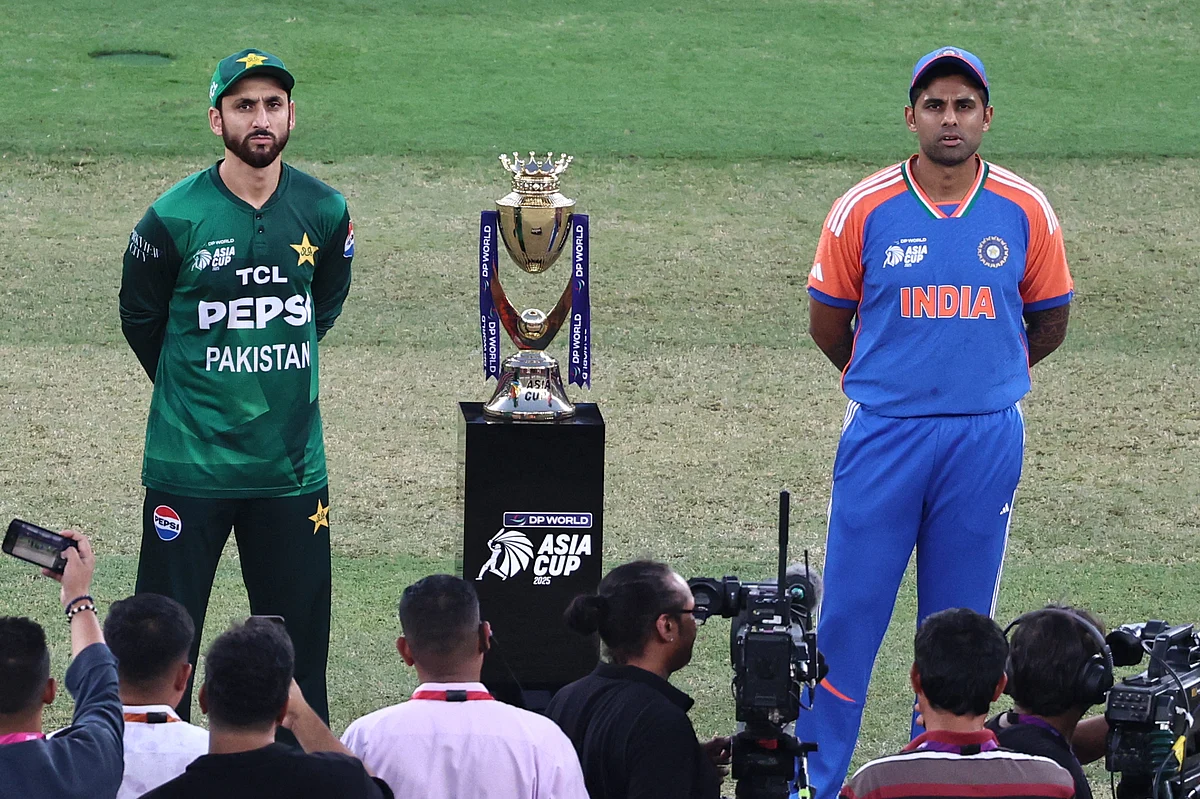
For a man who witnessed Javed Miandad’s magical last-ball six and Sachin Tendulkar’s ‘Desert Storm’, Butt may not even switch on the television on Sunday when India take on Pakistan in Colombo in the T20 World Cup.
The high-profile fixture, thrown into chaos by Pakistan’s boycott threat, not only exposed the ugly side of geopolitics but also triggered a bitter narrative battle between the media of the two countries.
In the race for clicks, likes and TRPs, scores of journalists on both sides of the border hurled abusive language from television studios, pushing stories that often lacked credibility. With little decorum on display, many appeared hell-bent on inflaming the situation.
Now that we finally have a match to look forward to, the contest on the field will produce a winner — weather permitting — but there was clearly no victor in the media’s narrative war.
The big issue
Eminent Indian sportswriter Sharda Ugra blamed it on the social media wave.
“The problem these days is that many journalists just want to be part of the social media conversation, and they perform for that audience,” Ugra told Khaleej Times. “I’m not sure they even believe what they’re posting, but they know it helps their social media profile.”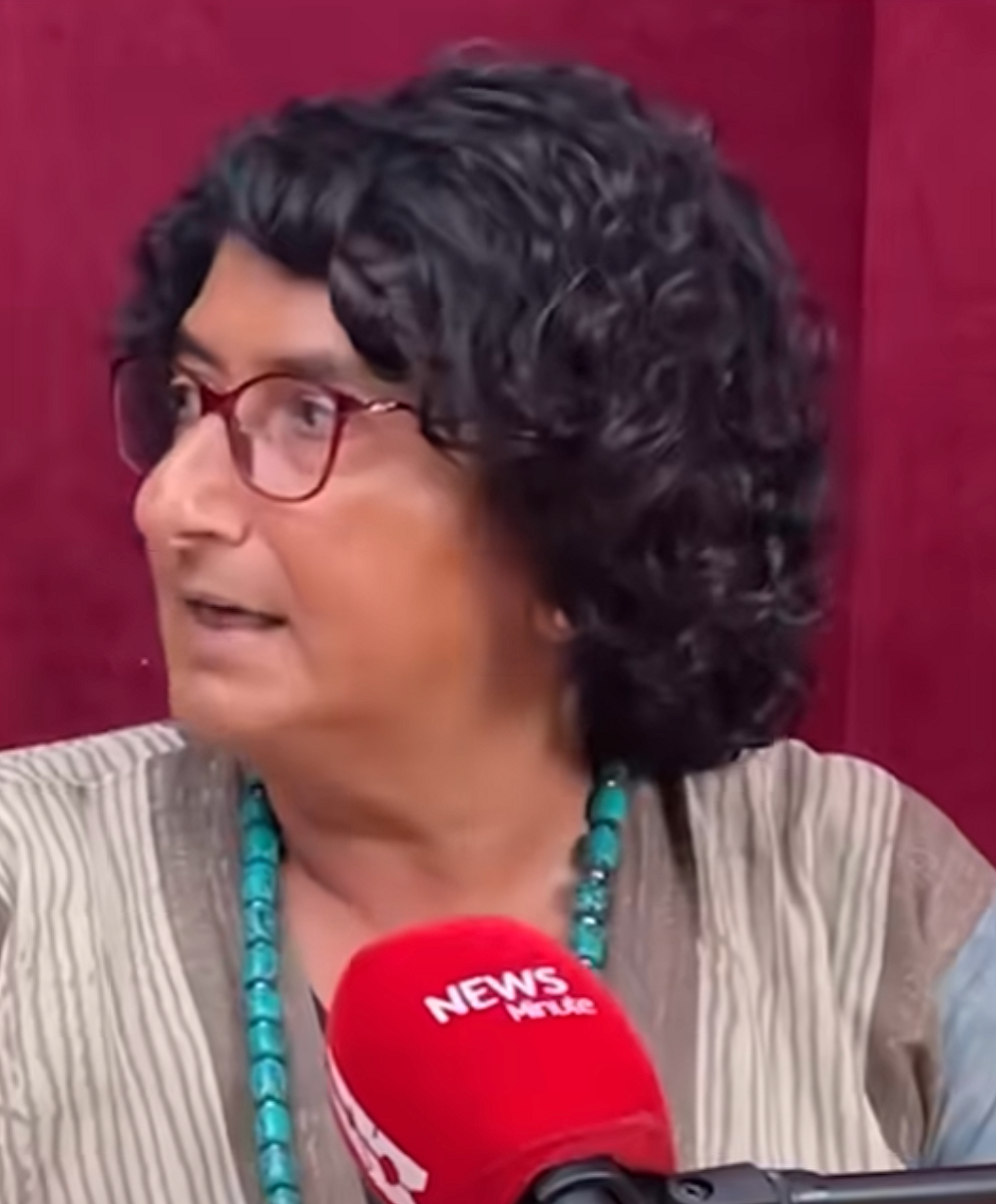
Ugra, however, acknowledged that the issue runs far deeper at a time when the media industry itself is struggling to remain independent.
“There are journalists that are still trying to do authentic stories — real news, proper stories, tough stories — but they keep getting stopped,” she said.
“I know they keep getting stopped by their bosses or by the bosses of their bosses and the publications cannot handle those stories being printed for reasons that are not explained to the young journalists.”
Even some veteran Indian cricket journalists are now struggling for space on sports pages. Among them is Chander Shekhar Luthra, who is never afraid of calling a spade a spade.
“Personally, when I try to write unbiased and factual stories, very few outlets are willing to publish them. That is the challenge I continue to face,” Luthra told Khaleej Times. 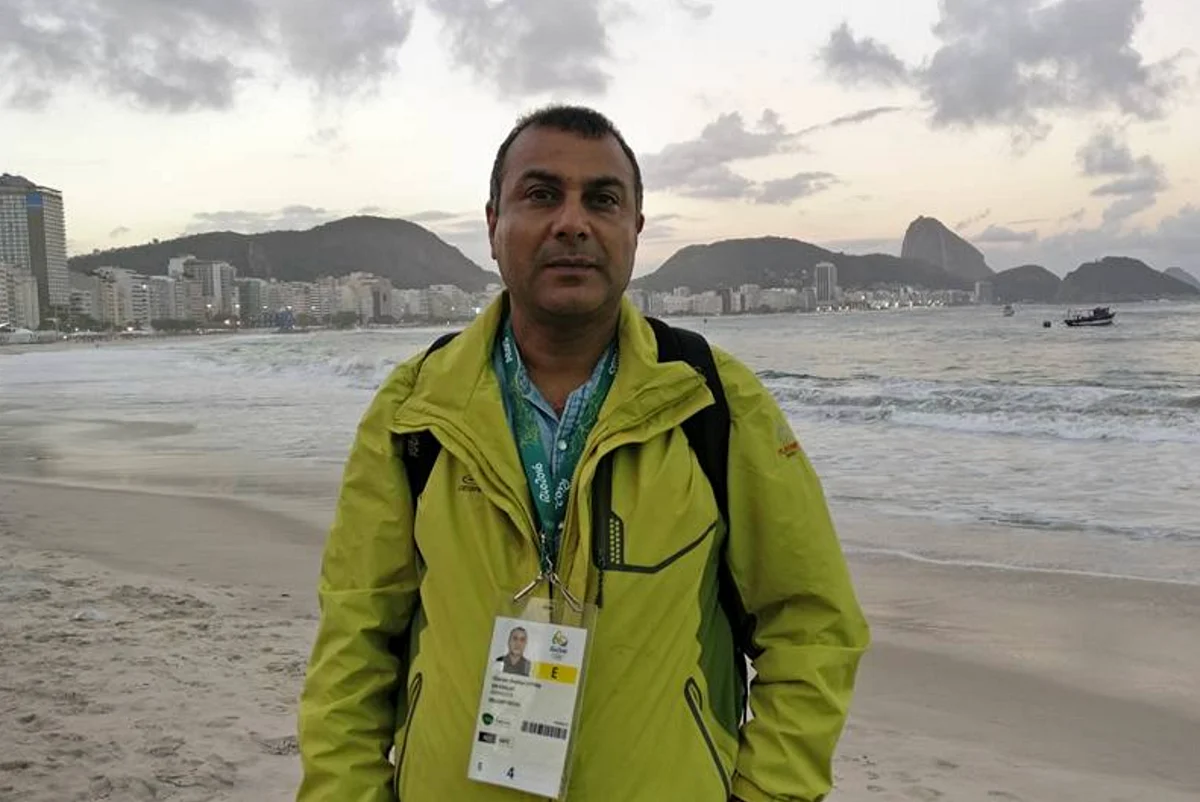
“Occasionally, I am invited to television debates and given a brief opportunity to speak, but the moment it becomes clear that I am not echoing their narrative, I am cut off. This has become part and parcel of our lives. I continue despite it all because sport remains my passion.”
Across the border, Pakistani journalist Sanaullah Khan has been left helpless after missing out on covering the ongoing World Cup due to a ban imposed on him.
“I have covered nine World Cups, yet the Pakistan Cricket Board has banned me over an interview I conducted with Mohammad Hafeez (former Pakistan player),” Khan told Khaleej Times. 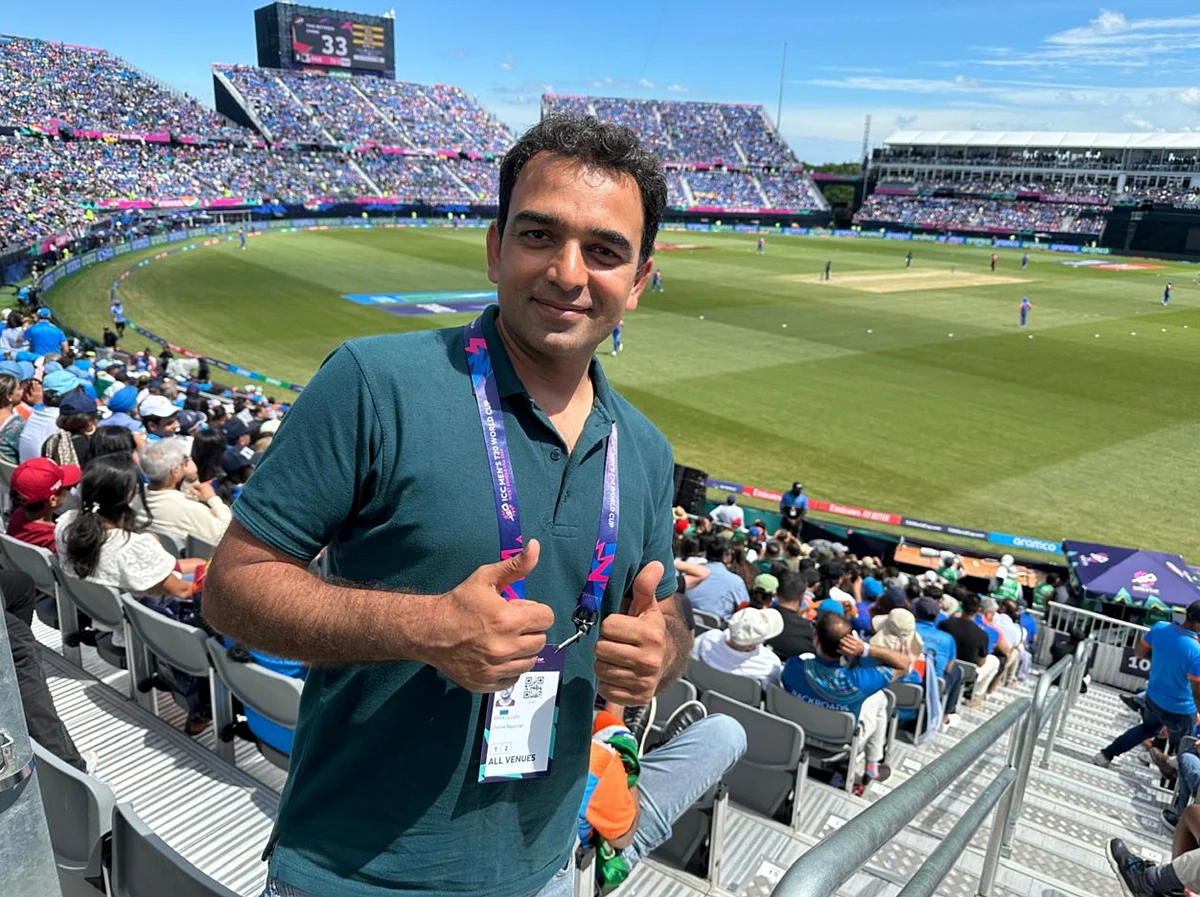
“There was nothing objectionable in the interview, but the board took offence to a few comments Hafeez made, which they perceived as criticism. As a result, I was barred from covering last year’s Asia Cup and was not allowed to travel to Sri Lanka to cover Pakistan’s World Cup matches.”
Chest-thumping narratives
While Indian media mocked Pakistan for its ‘U-turn’ after the World Cup impasse was broken, their counterparts were equally guilty of chest-thumping narratives which included claims that the BCCI and the ICC had been “brought to their knees”.
“There’s been a visible erosion of standards in sports journalism, and it is sad,” Pakistani cricket commentator Nauman Niaz told Khaleej Times. 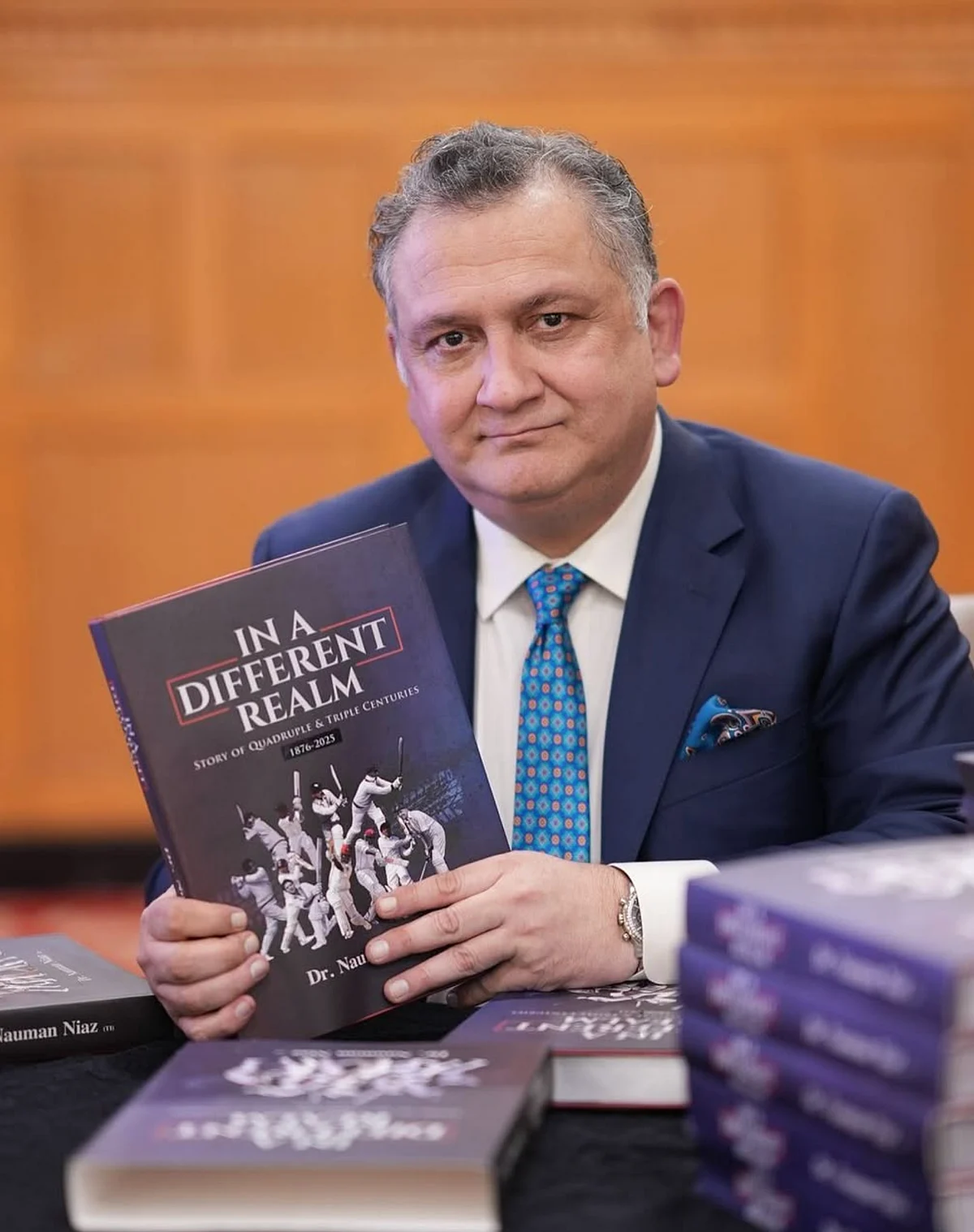
“There was a time when journalists came through a system that valued credibility, restraint and balance. But social media has changed the ecosystem completely now. The race for clicks, likes and instant validation has blurred the line between reporting and cheerleading. What we are seeing now — especially in moments of political or sporting tension — is jingoism masquerading as journalism. That helps no one, least of all the sport.”
Khan echoed those sentiments.
“Today, a lot of people have a microphone, but they are not journalists — they are merely cricket fans,” he said. “That is why such language is used so casually. The market is driven by TRPs, so everything is made as dramatic as possible. There is no fact-checking, no verification. Anchors simply scream whatever comes to mind. Sadly, this culture has spread like a cancer through the system.”
What's Your Reaction?