

















Trump halts second Venezuela assault after cooperation
President Donald Trump announced the cancellation of a planned second wave of military attacks on Venezuela, pointing to improved cooperation from the country’s interim leadership and gestures such as the release of political prisoners and discussions on oil infrastructure. The decision marks a shift in the U. S. approach after its forces ousted Venezuelan President Nicolás Maduro earlier this month, and underscores Washington’s focus on stabilising relations […] The article Trump halts second Venezuela assault after cooperation appeared first on Arabian Post.
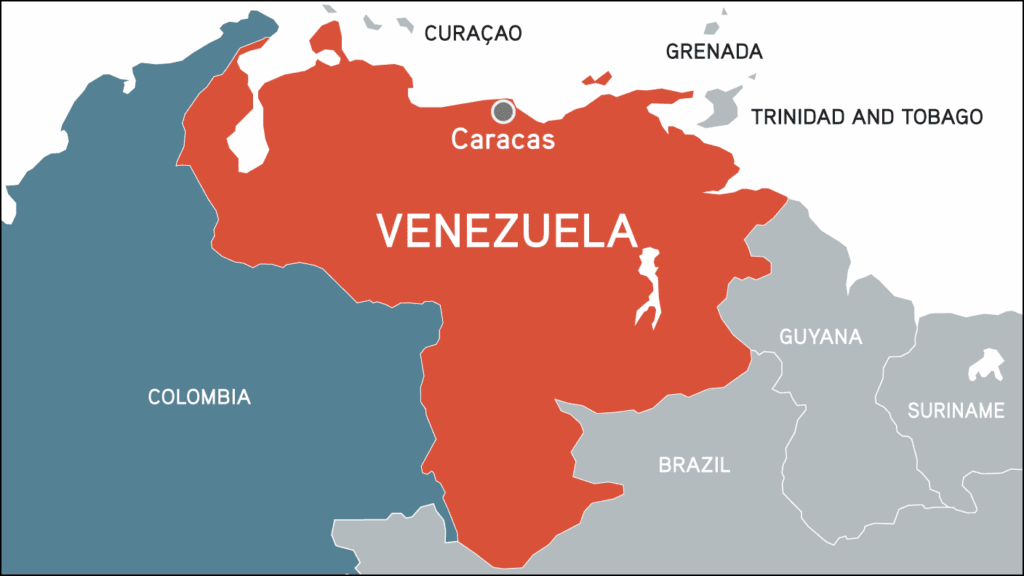
President Donald Trump announced the cancellation of a planned second wave of military attacks on Venezuela, pointing to improved cooperation from the country’s interim leadership and gestures such as the release of political prisoners and discussions on oil infrastructure. The decision marks a shift in the U. S. approach after its forces ousted Venezuelan President Nicolás Maduro earlier this month, and underscores Washington’s focus on stabilising relations and leveraging Venezuela’s energy resources.
Trump made the announcement via social media and official statements on Friday, affirming that the expected follow-up military action would not proceed because Caracas had taken steps the United States viewed as constructive. He highlighted the release of large numbers of political detainees and cooperation on rebuilding Venezuela’s vital oil and gas sector as key factors in his decision. U. S. naval assets will remain positioned nearby for “security purposes,” he added.
The pivot comes after intense military engagement in early January that resulted in Maduro’s capture and transfer to the United States to face federal charges, a move that has drawn global scrutiny and raised questions about sovereignty and international law. Venezuela’s interim president, Delcy Rodríguez, has denied that her government is subordinate to U. S. influence, framing cooperation as a diplomatic strategy rather than capitulation.
The release of political prisoners has been central to Trump’s justification for cancelling the second wave of strikes. Venezuelan officials reported freeing numerous individuals, including both domestic opposition members and foreign nationals, as part of an effort to de-escalate tensions and demonstrate willingness to engage with Washington. Human rights groups have noted that while some detainees were freed, independent verification of the full scale and conditions of the releases remains limited.
At the White House, Trump hosted executives from major U. S. oil companies as part of initiatives to revitalise Venezuela’s oil industry, which holds some of the world’s largest proven reserves. He has projected that American firms could invest more than $100 billion in rebuilding infrastructure, even as industry leaders expressed caution about re-entering a market long plagued by political instability and legal uncertainty. Chevron’s CEO, for instance, outlined plans to expand the company’s presence over the next two years, while other corporations signalled they would need significant legal assurances before committing.
The economic dimension of the U. S. strategy extends beyond investment pledges. Trump indicated that Venezuela has agreed to sell crude oil to the United States at market rates, with revenue controlled by Washington. The White House is also exploring ways to ensure that proceeds benefit both U. S. economic interests and Venezuelan reconstruction.
Diplomatic engagements are underway alongside economic overtures and the cessation of planned attacks. A U. S. delegation travelled to Caracas to conduct technical and logistical assessments aimed at re-opening the U. S. Embassy, which was shuttered in 2019 amid deteriorating bilateral ties. Venezuelan officials confirmed participation in these preliminary talks, signalling mutual interest in restoring formal diplomatic channels.
Trump’s decision to cancel the second wave of attacks has drawn mixed reactions domestically and internationally. Critics, including advocacy groups in the United States, have decried the original military intervention and subsequent diplomacy as overreach, warning that hand-offs to large oil corporations could prioritise profit over local welfare. Some analysts argue that the focus on Venezuela’s energy sector risks overshadowing broader governance and human rights concerns.
Regional leaders have also weighed in. Colombia’s president, Gustavo Petro, has engaged with Trump on broader security issues in the region, particularly regarding drug trafficking and insurgent groups operating across borders. The evolving U. S. posture towards Venezuela is likely to influence diplomatic dynamics across Latin America, where governments remain split between support for national sovereignty and pragmatic engagement with Washington.
The article Trump halts second Venezuela assault after cooperation appeared first on Arabian Post.
What's Your Reaction?