


















Trump-Modi bonhomie sparks trade headway
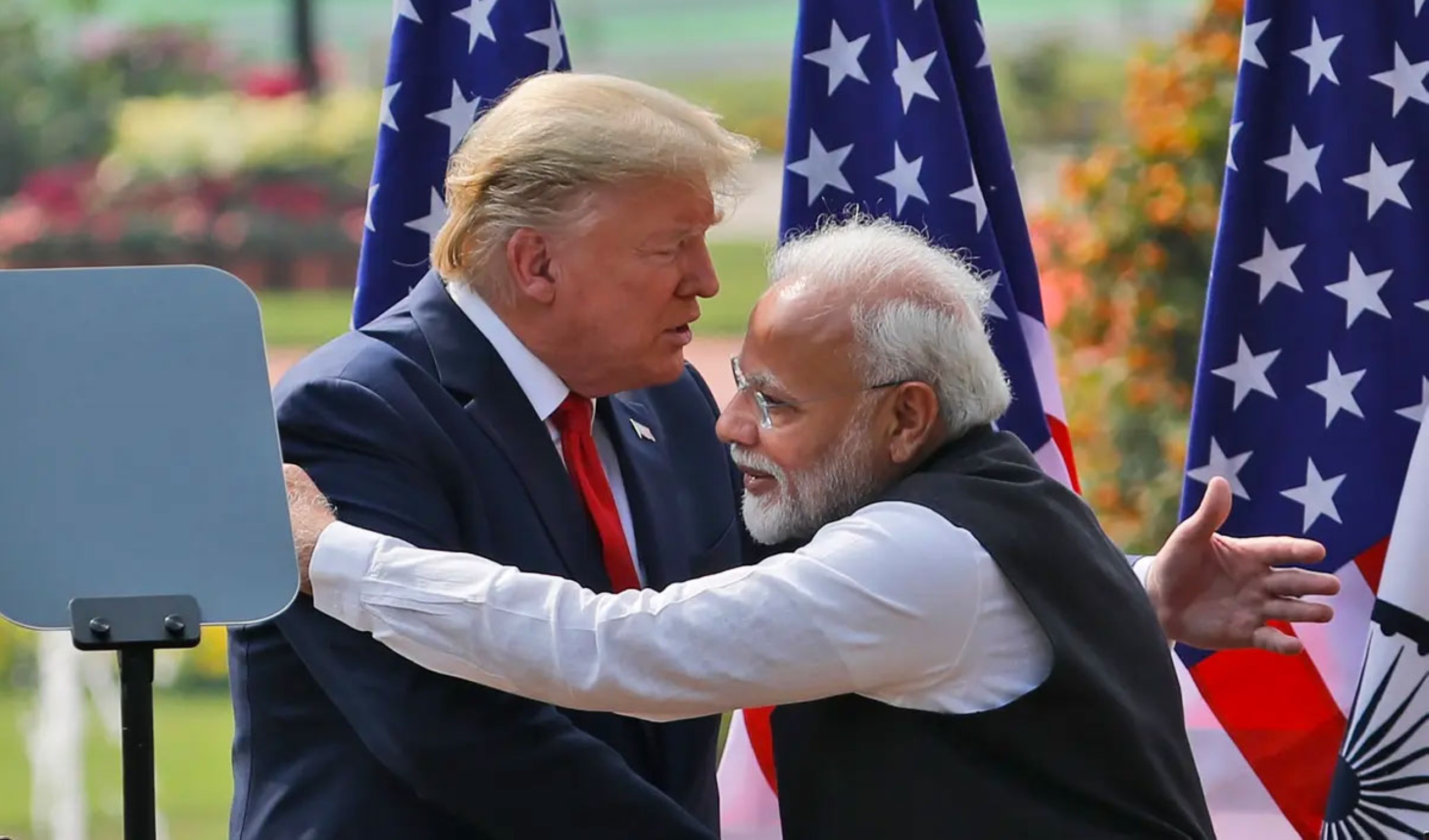
US President Donald Trump and Indian Prime Minister Narendra Modi had a telephonic conversation even as officials from the two countries were struggling at the negotiating table to reach a trade deal. And the personal chemistry between the two leaders seems to have broken the impasse.Trump announced on his social media portal, Truth Social, that he would reduce the 50 per cent tariff to 18 per cent on Indian imports to the US and he would want India to halt buying Russian oil – 25 per cent of the 50 per cent tariffs was the punitive measure – and to shift to Venezuelan sources. He also wanted India to buy $500 billion worth energy and agricultural products from the US. Modi thanked him for reducing the tariff to 18 per cent. As a consequence of Trump’s announcement, the Indian markets shot up and the Indian rupee strengthened.Observers are wondering whether India has got into a bad bargain and that the reduction of tariffs to 18 per cent is a small benefit in comparison to the benefits that Americans would gain as a result. The US-India trade turnover is around US$130 billion, in which India had the upper hand with India’s exports to the US accounting for $80 billion and the US imports into India at around US$41 billion, with the US facing a trade deficit of US$39 billion.Ever since he has come back to the White House in January, 2025, Trump’s single-minded focus has been to reverse the trade deficits of the largest economy in the world with all its trading partners. And he has been going about his job with a mixture of flamboyance and belligerence.The two foreign leaders who seem to have learned to deal with Trump with good humour are Prime Minister Modi and French President Emmanuel Macron. They have realized that Trump’s unrealistic initial demands are not to be taken at face value, and that at the negotiating table Trump, like any good businessman, knows that there is a give-and-take in any deal.The differences would remain but Trump is not for opting out which seems to be the case when he speaks out. The final trade deal remains to be worked out. Modi thanking Trump for his gesture of reducing the tariff is a good starting point. And there will be many course corrections on the way.Trump insisting that India buy Venezuelan oil is his way to help American companies who are ready to take over the oil wells in Venezuela as the Venezuelan government is forced to throw it open to private sector. The problem is that it will take a long time before Venezuela can boost its oil production and the necessary infrastructure is built for the purpose. And there would be changes in the global economy in the years to come and the dynamics of the oil market would be different.So, Modi is looking at the immediate fallout – the tariffs falling from 50 per cent to 18 per cent. That will boost Indian exports to the US immediately. It is a fact that the American economy cannot be revived by building high tariff walls. Instead of arguing the point at the negotiating table, Modi has decided to accept whatever advantages India can get from a trade agreement with the US, and there are obvious benefits, and move forward.The logic of the market will reassert soon and Trump would have to accept the economic compulsions willingly or otherwise. Despite the 18 per cent tariff rate, India stands to garner immediate gains. It turns out to be a shrewd move on the part of India.
US President Donald Trump and Indian Prime Minister Narendra Modi had a telephonic conversation even as officials from the two countries were struggling at the negotiating table to reach a trade deal. And the personal chemistry between the two leaders seems to have broken the impasse.Trump announced on his social media portal, Truth Social, that he would reduce the 50 per cent tariff to 18 per cent on Indian imports to the US and he would want India to halt buying Russian oil – 25 per cent of the 50 per cent tariffs was the punitive measure – and to shift to Venezuelan sources. He also wanted India to buy $500 billion worth energy and agricultural products from the US. Modi thanked him for reducing the tariff to 18 per cent. As a consequence of Trump’s announcement, the Indian markets shot up and the Indian rupee strengthened.Observers are wondering whether India has got into a bad bargain and that the reduction of tariffs to 18 per cent is a small benefit in comparison to the benefits that Americans would gain as a result. The US-India trade turnover is around US$130 billion, in which India had the upper hand with India’s exports to the US accounting for $80 billion and the US imports into India at around US$41 billion, with the US facing a trade deficit of US$39 billion.Ever since he has come back to the White House in January, 2025, Trump’s single-minded focus has been to reverse the trade deficits of the largest economy in the world with all its trading partners. And he has been going about his job with a mixture of flamboyance and belligerence.The two foreign leaders who seem to have learned to deal with Trump with good humour are Prime Minister Modi and French President Emmanuel Macron. They have realized that Trump’s unrealistic initial demands are not to be taken at face value, and that at the negotiating table Trump, like any good businessman, knows that there is a give-and-take in any deal.The differences would remain but Trump is not for opting out which seems to be the case when he speaks out. The final trade deal remains to be worked out. Modi thanking Trump for his gesture of reducing the tariff is a good starting point. And there will be many course corrections on the way.Trump insisting that India buy Venezuelan oil is his way to help American companies who are ready to take over the oil wells in Venezuela as the Venezuelan government is forced to throw it open to private sector. The problem is that it will take a long time before Venezuela can boost its oil production and the necessary infrastructure is built for the purpose. And there would be changes in the global economy in the years to come and the dynamics of the oil market would be different.So, Modi is looking at the immediate fallout – the tariffs falling from 50 per cent to 18 per cent. That will boost Indian exports to the US immediately. It is a fact that the American economy cannot be revived by building high tariff walls. Instead of arguing the point at the negotiating table, Modi has decided to accept whatever advantages India can get from a trade agreement with the US, and there are obvious benefits, and move forward.The logic of the market will reassert soon and Trump would have to accept the economic compulsions willingly or otherwise. Despite the 18 per cent tariff rate, India stands to garner immediate gains. It turns out to be a shrewd move on the part of India.
What's Your Reaction?








Economist Admin
Admin managing news updates, RSS feed curation, and PR content publishing. Focused on timely, accurate, and impactful information delivery.