




























Trump urges Iran to act quickly on peace plan 'before it is too late'
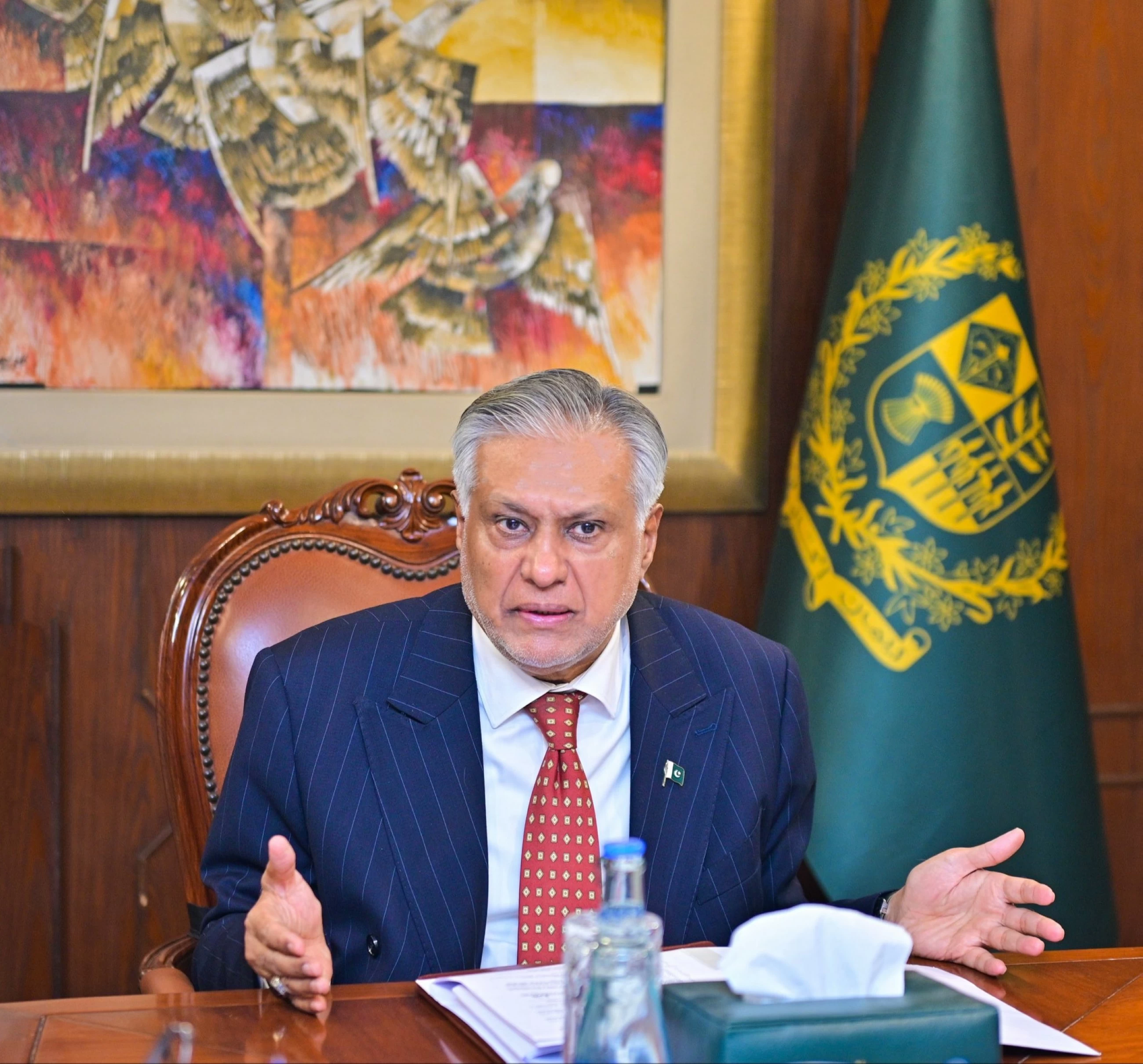
US President Donald Trump warned Iran on Thursday to "get serious" about a deal to end nearly four weeks of fighting, after its foreign minister said Tehran was reviewing the US proposal but that there were no talks on winding down the war.Trump's comments came as the economic and humanitarian toll of the conflict mounted, with fuel shortages spreading worldwide, sending companies and countries scrambling to contain the fallout."Indirect talks" between the US and Iran are taking place through messages relayed by Pakistan, with other states including Turkey and Egypt also supporting mediation efforts, Pakistan's foreign minister said.But Iranian Foreign Minister Abbas Araqchi said this did not amount to negotiation."Messages being conveyed through our friendly countries and us responding by stating our positions or issuing the necessary warnings is not called negotiation or dialogue," Araqchi said in comments broadcast late on Wednesday."At present, our policy is to continue resistance and defend the country, and we have no intention of negotiating," he added.Trump said in a post on Truth Social on Thursday that Iran had been "militarily obliterated, with zero chance of a comeback," and was "begging" for a deal.Calling Iranian negotiators "very different and 'strange,'" he added: "They better get serious soon, before it is too late, because once that happens, there is NO TURNING BACK, and it won't be pretty."MAXIMALIST POSITIONSThough Araqchi's comments suggested some willingness by Tehran to negotiate an end to the war if Iranian demands were met, any such talks would likely prove very difficult given the maximalist positions laid out by both sides.A 15-point US proposal to end the conflict includes demands ranging from dismantling Iran's nuclear programme and curbing its missiles to effectively handing over control of the Strait of Hormuz, according to sources and reports.But Iran has hardened its stance since the war began, demanding guarantees against future military action, compensation for losses, and formal control of the Strait, Iranian sources say. It also told intermediaries that Lebanon must be included in any ceasefire deal, regional sources said.Trump has not identified who the US is negotiating with in Iran, with many high-ranking officials among the thousands of people killed across the Middle East since the US and Israel attacked Iran on February 28. Iran has since launched strikes against Israel, US bases and Gulf states.An Iranian embassy official in Islamabad said talks in Islamabad were still on the table and Pakistan was the preferred venue for Tehran.WAVES OF MISSILESOn Thursday, Iran launched multiple waves of missiles at Israel, triggering air raid sirens in Tel Aviv and other areas and injuring at least five people.In Iran, strikes hit a residential zone in the southern city of Bandar Abbas and a village on the outskirts of the southern city of Shiraz, where two teenage brothers were killed, Iran's Tasnim news agency said. A university building in Isfahan was reported to have been hit.'NAVY COMMANDER KILLED'Israeli officials said Israel had killed the naval commander of Iran's Revolutionary Guards, and that it had many more targets left as it degraded Iranian capabilities.Israel said it had killed the commander of Iran's navy, Alireza Tangsiri, in an overnight airstrike in Bandar Abbas.Israel said Tangsiri had been responsible for bombing operations that blocked the Strait of Hormuz.Still, Israel took Araqchi and Iranian Parliament Speaker Mohammad Baqer Qalibaf off its hit-list after Pakistan urged Washington to press Israel not to target people who could be negotiating partners, a Pakistani source with knowledge of the discussion told Reuters.A senior Israeli defence official said Israel was sceptical that Iran would agree to terms proposed by the US, and was concerned that US negotiators might make concessions.Egyptian Foreign Minister Badr Abdelatty met Lebanese President Joseph Aoun in Beirut on Thursday amid a swirl of diplomatic discussions about the Iran war.Abdelatty said that, in shuttling messages between Iran and the United States, Egypt has noted a mutual "desire for calm, for the exploration of negotiations" on both sides. But he warned the talks have not yielded "specific conclusions."Agencies
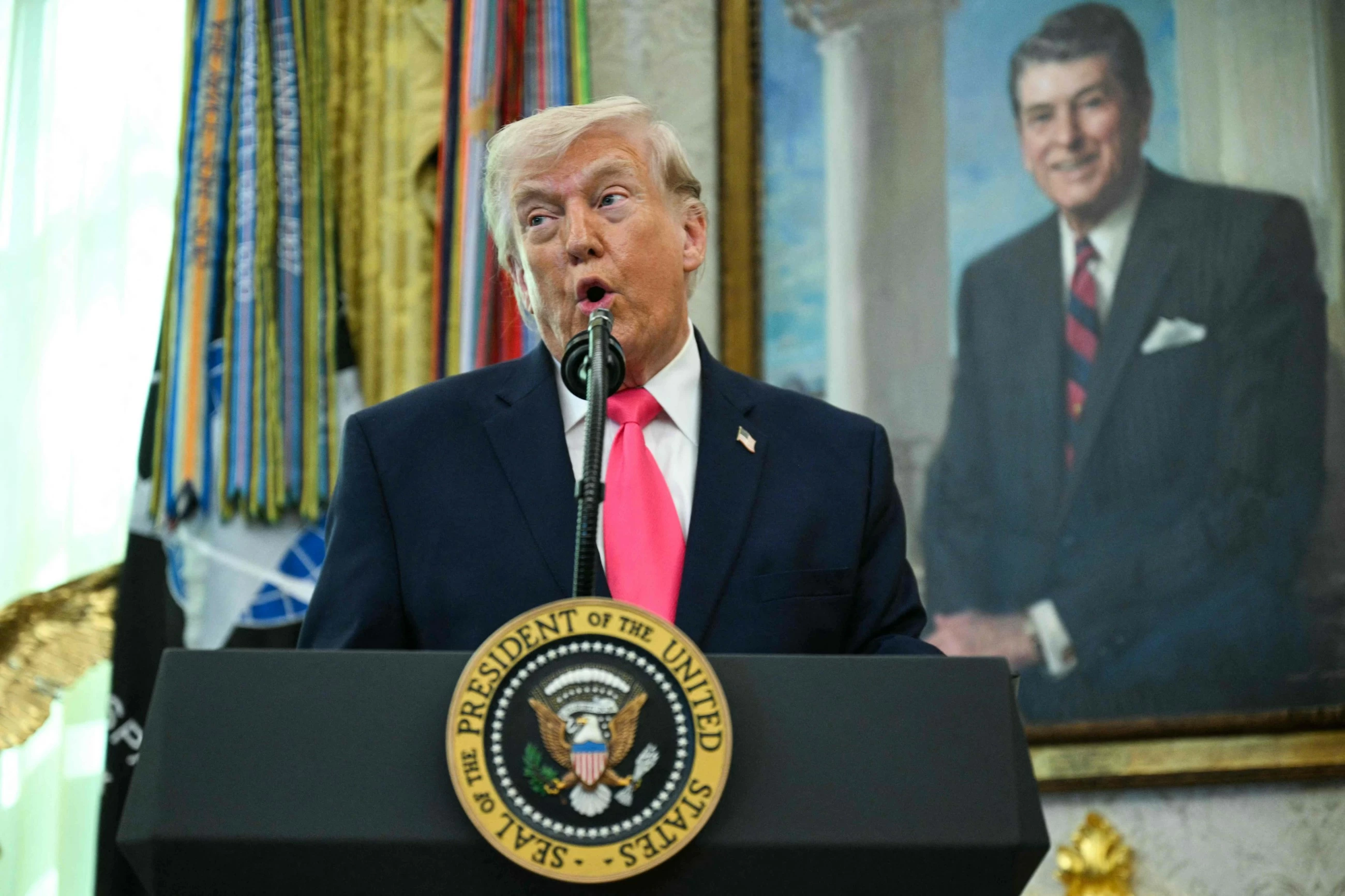
US President Donald Trump warned Iran on Thursday to "get serious" about a deal to end nearly four weeks of fighting, after its foreign minister said Tehran was reviewing the US proposal but that there were no talks on winding down the war.Trump's comments came as the economic and humanitarian toll of the conflict mounted, with fuel shortages spreading worldwide, sending companies and countries scrambling to contain the fallout."Indirect talks" between the US and Iran are taking place through messages relayed by Pakistan, with other states including Turkey and Egypt also supporting mediation efforts, Pakistan's foreign minister said.But Iranian Foreign Minister Abbas Araqchi said this did not amount to negotiation."Messages being conveyed through our friendly countries and us responding by stating our positions or issuing the necessary warnings is not called negotiation or dialogue," Araqchi said in comments broadcast late on Wednesday."At present, our policy is to continue resistance and defend the country, and we have no intention of negotiating," he added.Trump said in a post on Truth Social on Thursday that Iran had been "militarily obliterated, with zero chance of a comeback," and was "begging" for a deal.Calling Iranian negotiators "very different and 'strange,'" he added: "They better get serious soon, before it is too late, because once that happens, there is NO TURNING BACK, and it won't be pretty."MAXIMALIST POSITIONSThough Araqchi's comments suggested some willingness by Tehran to negotiate an end to the war if Iranian demands were met, any such talks would likely prove very difficult given the maximalist positions laid out by both sides.A 15-point US proposal to end the conflict includes demands ranging from dismantling Iran's nuclear programme and curbing its missiles to effectively handing over control of the Strait of Hormuz, according to sources and reports.But Iran has hardened its stance since the war began, demanding guarantees against future military action, compensation for losses, and formal control of the Strait, Iranian sources say. It also told intermediaries that Lebanon must be included in any ceasefire deal, regional sources said.Trump has not identified who the US is negotiating with in Iran, with many high-ranking officials among the thousands of people killed across the Middle East since the US and Israel attacked Iran on February 28. Iran has since launched strikes against Israel, US bases and Gulf states.An Iranian embassy official in Islamabad said talks in Islamabad were still on the table and Pakistan was the preferred venue for Tehran.WAVES OF MISSILESOn Thursday, Iran launched multiple waves of missiles at Israel, triggering air raid sirens in Tel Aviv and other areas and injuring at least five people.In Iran, strikes hit a residential zone in the southern city of Bandar Abbas and a village on the outskirts of the southern city of Shiraz, where two teenage brothers were killed, Iran's Tasnim news agency said. A university building in Isfahan was reported to have been hit.'NAVY COMMANDER KILLED'Israeli officials said Israel had killed the naval commander of Iran's Revolutionary Guards, and that it had many more targets left as it degraded Iranian capabilities.Israel said it had killed the commander of Iran's navy, Alireza Tangsiri, in an overnight airstrike in Bandar Abbas.Israel said Tangsiri had been responsible for bombing operations that blocked the Strait of Hormuz.Still, Israel took Araqchi and Iranian Parliament Speaker Mohammad Baqer Qalibaf off its hit-list after Pakistan urged Washington to press Israel not to target people who could be negotiating partners, a Pakistani source with knowledge of the discussion told Reuters.A senior Israeli defence official said Israel was sceptical that Iran would agree to terms proposed by the US, and was concerned that US negotiators might make concessions.Egyptian Foreign Minister Badr Abdelatty met Lebanese President Joseph Aoun in Beirut on Thursday amid a swirl of diplomatic discussions about the Iran war.Abdelatty said that, in shuttling messages between Iran and the United States, Egypt has noted a mutual "desire for calm, for the exploration of negotiations" on both sides. But he warned the talks have not yielded "specific conclusions."Agencies
What's Your Reaction?








Economist Admin
Admin managing news updates, RSS feed curation, and PR content publishing. Focused on timely, accurate, and impactful information delivery.