






























TSA fee plan for ID-free flyers faces court challenge
A plan by the Transportation Security Administration to charge passengers a $45 fee for travelling without acceptable identification has triggered a legal challenge in the United States, reopening a long-running debate over the limits of regulatory authority and the rights of air travellers at security checkpoints. The fee, announced as part of updated screening procedures, applies to passengers who arrive at airports without government-issued photo identification and […] The article TSA fee plan for ID-free flyers faces court challenge appeared first on Arabian Post.
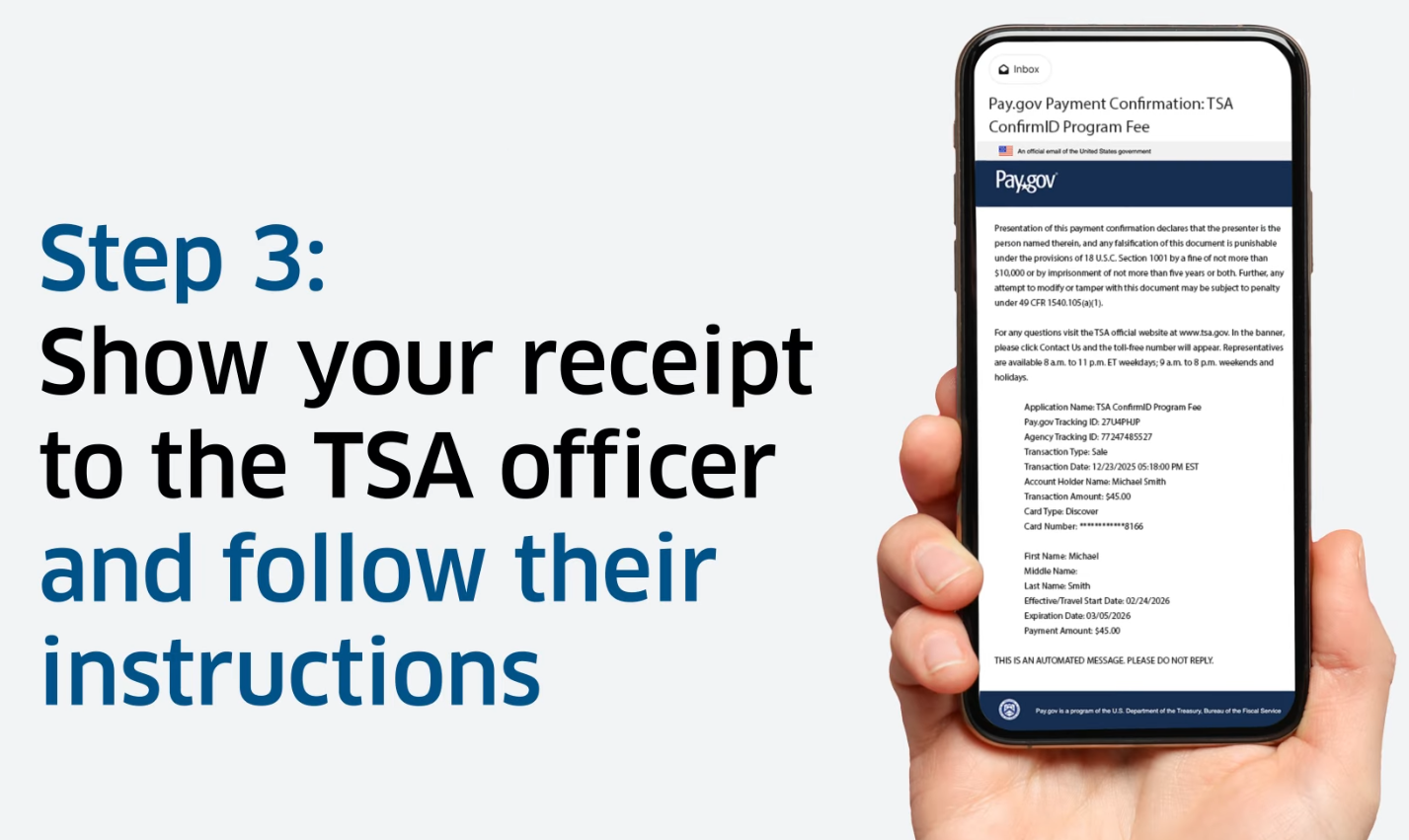
A plan by the Transportation Security Administration to charge passengers a $45 fee for travelling without acceptable identification has triggered a legal challenge in the United States, reopening a long-running debate over the limits of regulatory authority and the rights of air travellers at security checkpoints.
The fee, announced as part of updated screening procedures, applies to passengers who arrive at airports without government-issued photo identification and are cleared through alternative identity-verification processes. The agency argues that the charge reflects the additional time, staffing and systems required to confirm a traveller’s identity through secondary checks, which can include database searches, questioning and biometric verification.
Civil liberties groups, consumer advocates and administrative law specialists have moved quickly to contest the measure, filing a petition in federal court seeking to block its implementation. They argue that Transportation Security Administration lacks statutory authority to impose a new fee without explicit approval from Congress and that the charge effectively penalises a lawful right to travel by air.
At the centre of the dispute is the legal basis for the levy. The TSA was created after the September 11 attacks with broad powers to screen passengers and baggage, but its authority to set or raise fees is tightly circumscribed. Existing security charges, including the mandatory September 11 Security Fee added to airline tickets, were authorised directly by Congress and are collected through airlines, not at airport checkpoints.
Legal filings contend that the ID-free travel charge does not fall under any existing fee-setting power and cannot be justified as a discretionary service charge. Plaintiffs argue that passengers without identification are not requesting an optional service but complying with a TSA-mandated screening process that the agency itself has designed. Charging for that process, they say, amounts to an unauthorised tax.
The agency has defended the move in public statements, saying travellers are strongly encouraged to carry acceptable identification and that the fee is avoidable. Officials maintain that alternative identity verification is resource-intensive and diverts staff from standard screening lanes, increasing operational costs at busy airports. The charge, they argue, creates an incentive for compliance while helping offset those expenses.
Industry experts note that the policy arrives at a time of heightened scrutiny of administrative agencies in US courts. A series of Supreme Court rulings has narrowed the scope of deference traditionally given to regulators when interpreting their own powers, prompting closer examination of fee structures and enforcement mechanisms across federal agencies. The TSA case is being watched closely by regulators and airlines alike as a potential bellwether.
Airlines are not parties to the lawsuit but have expressed concern privately about the practical implications. Gate agents and airport staff already face disputes with passengers over documentation, delays and missed flights. Introducing a cash-like transaction at security checkpoints could, critics say, increase friction and slow passenger flows, particularly during peak travel periods.
Consumer advocates have also raised equity concerns, arguing that the fee would disproportionately affect lower-income travellers, elderly passengers and those whose documents are lost or stolen en route to the airport. While the TSA allows travel without ID under specific conditions, critics say attaching a financial penalty risks turning a security accommodation into a paywall.
Supporters of the policy counter that identity verification without documents should remain an exception rather than a norm. They argue that the fee is modest compared with airline ticket prices and that clearer consequences may reduce abuse of the system by passengers who repeatedly arrive without ID, causing delays for others.
The lawsuit seeks an injunction preventing the TSA from collecting the fee and a declaration that the policy is unlawful. It also asks the court to clarify whether agencies can impose charges tied to enforcement of regulatory requirements without explicit legislative backing. Legal scholars say the outcome could influence how other transport and security agencies design cost-recovery mechanisms.
The article TSA fee plan for ID-free flyers faces court challenge appeared first on Arabian Post.
What's Your Reaction?