





















UAE advances fourth phase of airspace overhaul
Arabian Post Staff -Dubai United Arab Emirates authorities have formalised agreements to begin the fourth phase of a sweeping national airspace restructuring programme, a move designed to strengthen capacity, improve safety and support projected growth in passenger and cargo traffic across the federation’s airports. The General Civil Aviation Authority confirmed that the latest phase will refine route structures, optimise sectorisation and deploy advanced air traffic management technologies […] The article UAE advances fourth phase of airspace overhaul appeared first on Arabian Post.
Arabian Post Staff -Dubai
United Arab Emirates authorities have formalised agreements to begin the fourth phase of a sweeping national airspace restructuring programme, a move designed to strengthen capacity, improve safety and support projected growth in passenger and cargo traffic across the federation’s airports.
The General Civil Aviation Authority confirmed that the latest phase will refine route structures, optimise sectorisation and deploy advanced air traffic management technologies in coordination with the country’s major airports and service providers. Officials described the agreement as a strategic step to ensure the UAE’s skies can accommodate rising traffic linked to global aviation recovery and expansion plans by national carriers.
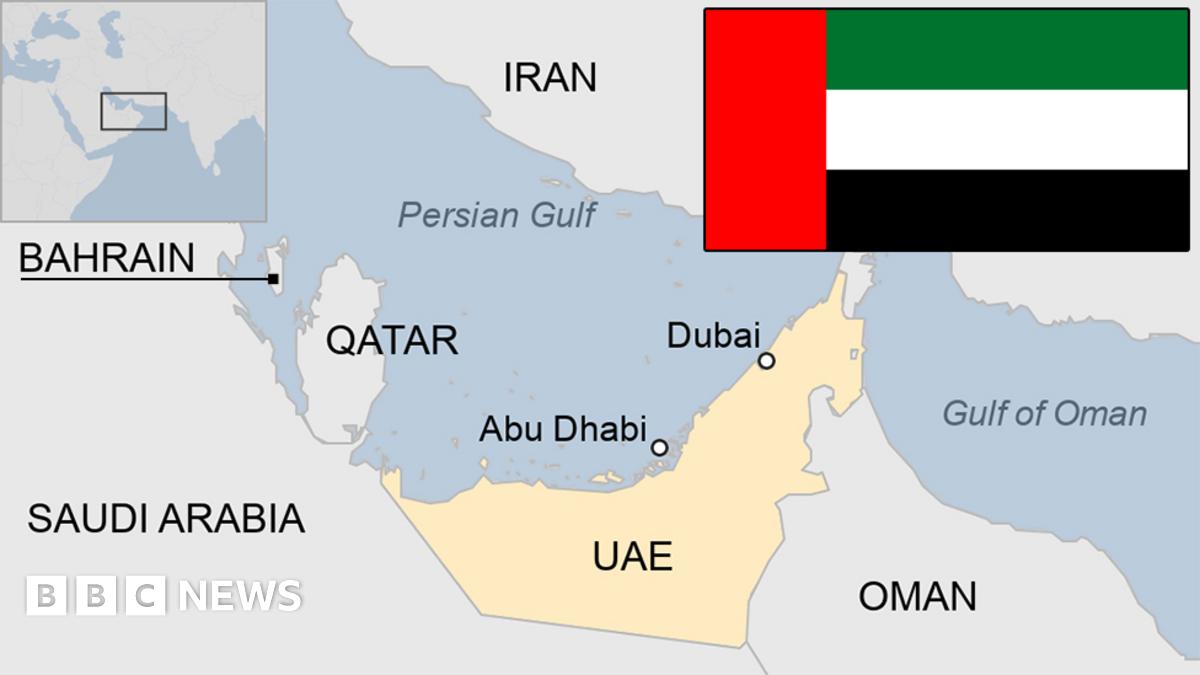
The project forms part of a multi-year initiative to modernise the country’s upper and lower airspace, integrating performance-based navigation procedures and enhancing coordination with neighbouring flight information regions. Aviation executives say the fourth phase will focus on increasing airspace efficiency in high-density corridors serving Dubai, Abu Dhabi and the northern emirates, while reducing congestion during peak periods.
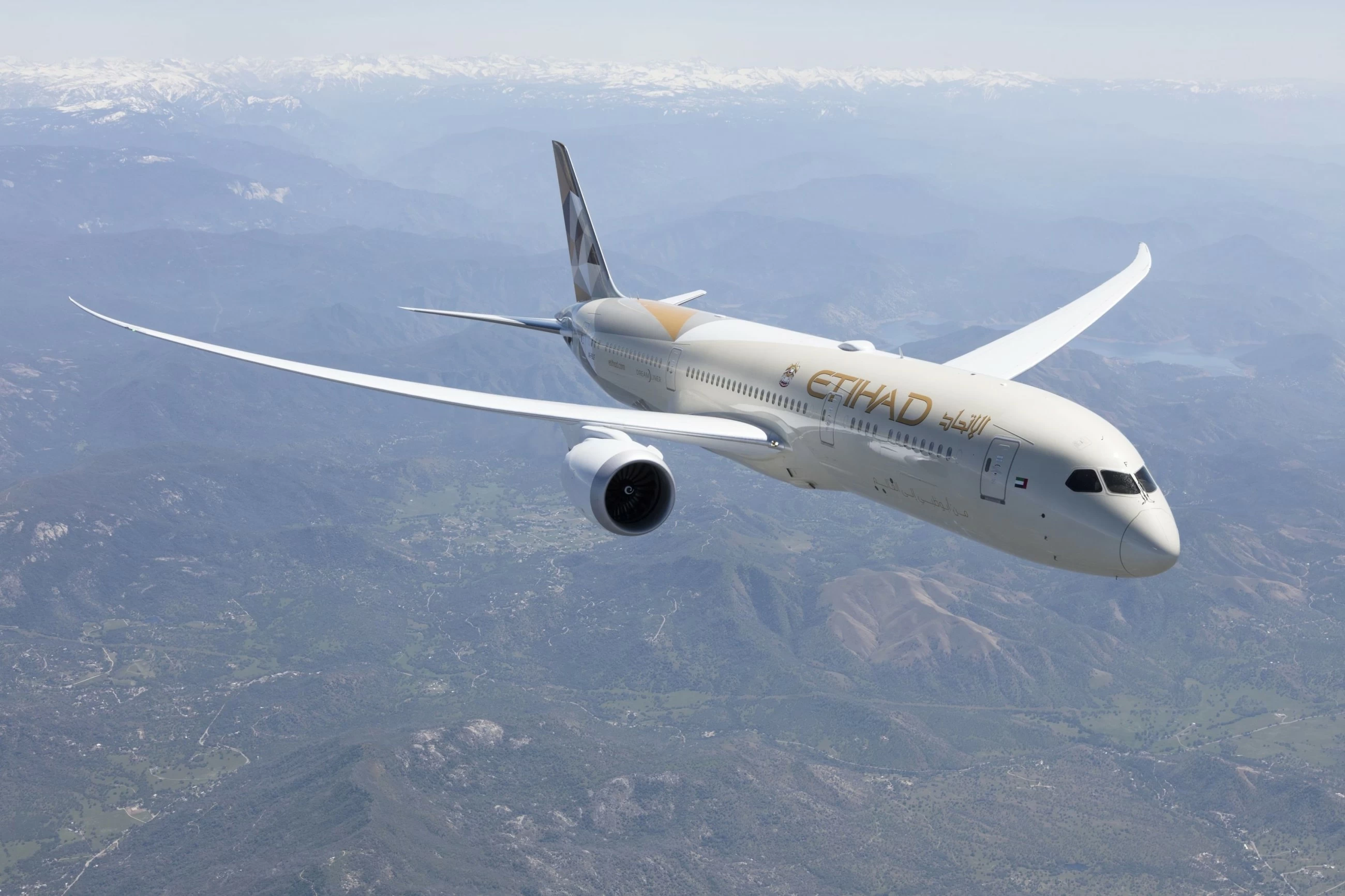
The UAE sits at the crossroads of Europe, Asia and Africa, handling millions of transit passengers annually through hubs such as Dubai International Airport and Zayed International Airport in Abu Dhabi. Dubai International has remained among the world’s busiest airports for international passenger traffic, while Abu Dhabi has expanded operations following the opening of its new terminal complex. Both hubs are central to the global networks of Emirates and Etihad Airways.
Officials involved in the restructuring effort argue that growth forecasts require a fundamental redesign rather than incremental adjustments. International Air Transport Association projections indicate that Middle East carriers are expected to see sustained demand growth over the coming decade, driven by long-haul connectivity and fleet expansion. Emirates continues to induct new Airbus A350 aircraft, while Etihad has outlined plans to increase destinations and frequencies as it rebuilds capacity.
The fourth phase is expected to introduce enhanced digital coordination tools between civil and military authorities, a critical element in airspace management in the Gulf region. By redesigning flight paths and reducing reliance on traditional airways, planners aim to shorten routes, cut fuel burn and reduce carbon emissions. Aviation analysts say such measures align with broader sustainability commitments adopted by Gulf states, including net-zero targets for 2050.
Industry experts note that airspace redesign projects are complex undertakings requiring extensive simulation, stakeholder consultation and phased implementation to avoid operational disruption. The UAE has previously collaborated with international air navigation service providers and technology firms to upgrade radar systems, introduce data-link communications and deploy satellite-based navigation capabilities.
Officials state that the fourth phase will build on lessons from earlier stages, which included the introduction of flexible use of airspace concepts and improved flow management procedures. These measures were designed to ease congestion during major events and seasonal peaks, particularly during high-traffic periods such as global exhibitions and holiday travel surges.
Aviation economists view the restructuring as integral to safeguarding the country’s competitive position. Gulf hubs face increasing competition from expanding airports in neighbouring states, as well as evolving long-haul strategies by European and Asian carriers. By improving airspace efficiency, the UAE aims to maintain punctuality standards and minimise delays that can ripple through interconnected global networks.
Safety remains central to the initiative. The General Civil Aviation Authority has emphasised compliance with International Civil Aviation Organization standards, ensuring that redesigned sectors and approach procedures meet stringent safety benchmarks. The regulator has also highlighted the importance of training air traffic controllers to manage more dynamic routing structures supported by real-time data analytics.
Airlines have broadly welcomed the move, noting that optimised routes can reduce operating costs at a time when carriers face fluctuating fuel prices and supply-chain pressures affecting aircraft deliveries. Reduced track miles and more direct routings translate into lower emissions and improved schedule reliability, factors that are increasingly scrutinised by investors and regulators.
The fourth phase also comes amid continued investment in airport infrastructure. Dubai Airports has outlined plans to transition traffic gradually to Al Maktoum International over the long term, while Abu Dhabi Airports has sought to attract additional carriers following the expansion of its main terminal. Enhanced airspace design is seen as complementary to these infrastructure ambitions.
Regional aviation specialists point out that airspace modernisation is a shared priority across the Gulf Cooperation Council. Cross-border coordination is essential, given the dense network of international routes traversing the Arabian Peninsula. Officials say the restructuring programme includes dialogue with neighbouring authorities to streamline handovers and reduce bottlenecks at boundary points.
The article UAE advances fourth phase of airspace overhaul appeared first on Arabian Post.
What's Your Reaction?