























UAE and Gabon sign CEPA to underline new era of progress
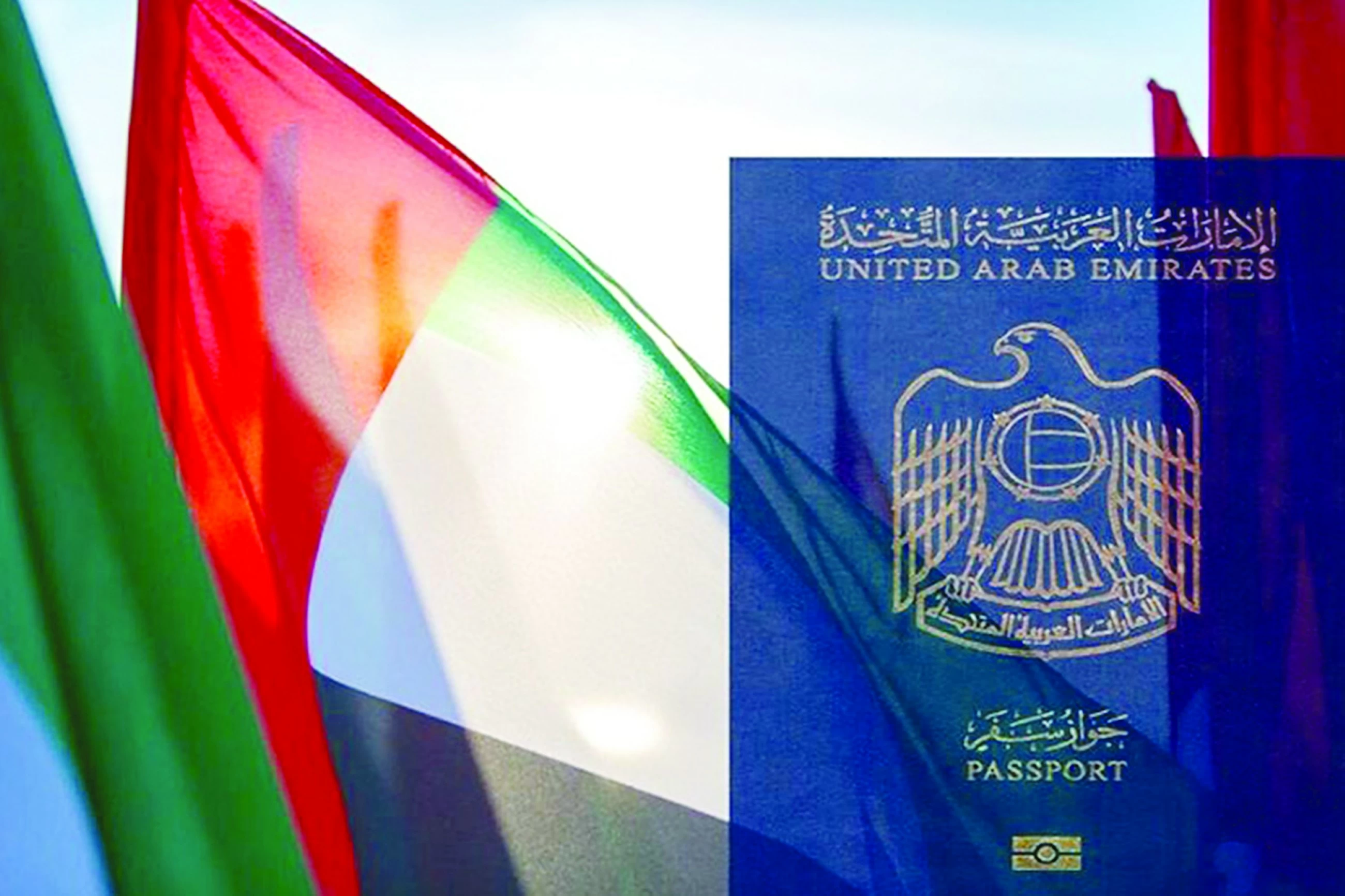
UAE President His Highness Sheikh Mohamed Bin Zayed Al Nahyan and His Excellency Brice Oligui Nguema, President of the Gabonese Republic, witnessed the signing of a Comprehensive Economic Partnership Agreement (CEPA) between their two nations in Abu Dhabi on Friday. The agreement will significantly enhance bilateral trade flows, enhance private-sector collaboration, and facilitate investment into key sectors, including agriculture, logistics and renewable energy.Sheikh Mohamed Bin Zayed Al Nahyan heralded the latest CEPA, which will secure economic ties to the West Africa nation and provide new opportunities for the UAE’s exporters and investors. He noted that the UAE’s Comprehensive Economic Partnership Agreement programme continues to expand and strengthen relations with countries around the world, opening up new markets for the private sector and consolidating the country’s position at the crossroads of global trade. He added that the CEPA with Gabon marks the latest foreign trade milestone and a transformative moment in their bilateral relations, noting that it will accelerate trade, connect exporters to global supply chains, and create new avenues for investment capable of delivering high-value projects benefiting both economies. His Highness highlighted that both countries are keen to explore opportunities across a range of industries and to help drive shared prosperity and sustainable growth.The CEPA was signed by Dr Thani Bin Ahmed Al Zeyoudi, UAE Minister of Foreign Trade, and Thierry Minko, Gabon’s Minister of Economy, Finance, Debt and Investment. The agreement aims to reduce tariffs, remove barriers to trade, facilitate investment flows, and promote private sector collaboration, particularly among SMEs. The CEPA has been designed to support long-term, sustainable development and mutual growth, creating lasting benefits for both nations.The UAE is already a key partner for Gabon. In 2025, the two nations shared non-oil trade worth $320.7 million, more than double the trade value recorded in 2021. The CEPA with Gabon is aligned with the UAE’s broader strategy of expanding economic relations across Africa, recognising the continent’s immense potential for sustainable economic growth and diversification. In 2024, the UAE’s non-oil trade with African nations reached $112 billion, marking a 34% increase compared to the previous year. Additionally, the UAE stands as the largest source of new foreign direct investment in the continent, having invested over $110 billion across Africa since 2019.Sheikh Mohamed Bin Zayed and the President of Gabon also witnessed the announcement of a number of memoranda of understanding covering cooperation in the field of defence, the establishment of a joint UAE-Gabon Business Council, and cooperation between the General Women’s Union and Gabon’s Ministry of Social Affairs on a women’s empowerment programme.Dr Thani bin Ahmed Al Zeyoudi said that the Comprehensive Economic Partnership Agreement (CEPA) signed between the UAE and the Republic of Gabon marks a significant step in advancing economic and trade cooperation and opens new opportunities for joint investment in priority sectors, including mining, food production and services.“Gabon is a promising economic partner for the UAE, supported by stable growth prospects. Gabon’s gross domestic product (GDP) reached approximately $20.6 billion in 2024, with growth expected at around 3 percent in 2025,” Al Zeyoudi told the Emirates News Agency (WAM).He said natural resources underpin Gabon’s economy, with raw materials accounting for more than 90 percent of total exports. These include oil and petroleum products, manganese used in steel and fertiliser production, as well as timber, forestry products and agricultural commodities such as cocoa, coffee, palm oil and rubber.Al Zeyoudi said Gabon launched a $5.5 billion accelerated transformation plan in 2021 to support economic diversification and stimulate non-oil sectors through targeted investments in mining, forestry and agriculture, alongside priorities such as infrastructure development, digitalisation, education, skills development and improvements to the business environment.These measures have strengthened Gabon’s appeal to foreign direct investment, he explained.The Minister said that CEPA will boost bilateral trade and strengthen the UAE’s presence in West Africa, a region with strong potential for sustainable growth and diversification.Non-oil trade between the two countries reached about $320.7 million in 2025, up from 2024 levels and more than double the value recorded in 2021. Gabon’s main non-oil exports to the UAE include manganese, rubber and timber.Al Zeyoudi said the agreement aims to eliminate or reduce tariffs, remove barriers to trade, expand market access for services exports, establish a framework for digital trade and set out a clear dispute settlement mechanism, steps expected to improve the business environment and encourage mutual investment.He adde
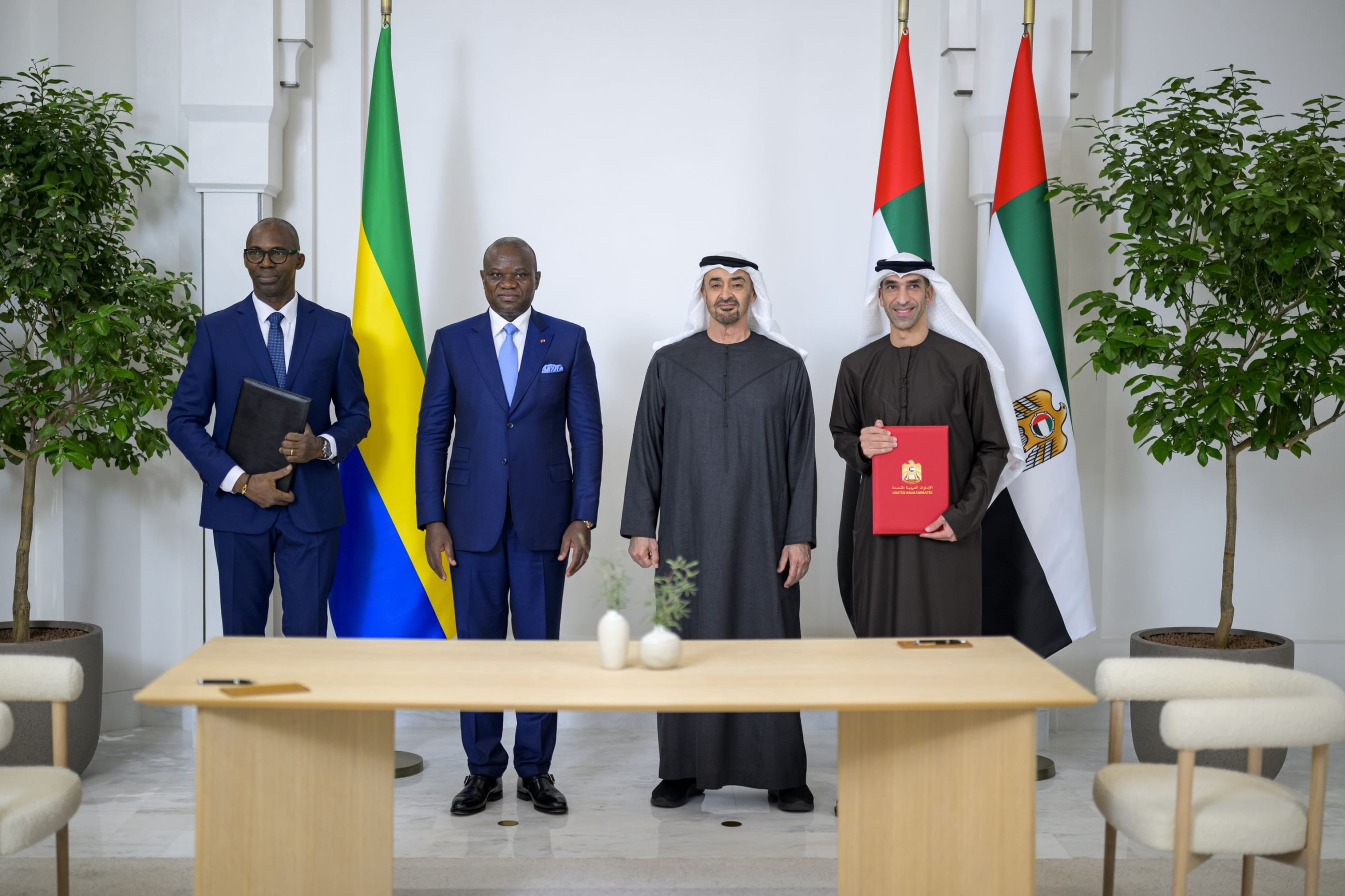
UAE President His Highness Sheikh Mohamed Bin Zayed Al Nahyan and His Excellency Brice Oligui Nguema, President of the Gabonese Republic, witnessed the signing of a Comprehensive Economic Partnership Agreement (CEPA) between their two nations in Abu Dhabi on Friday. The agreement will significantly enhance bilateral trade flows, enhance private-sector collaboration, and facilitate investment into key sectors, including agriculture, logistics and renewable energy.Sheikh Mohamed Bin Zayed Al Nahyan heralded the latest CEPA, which will secure economic ties to the West Africa nation and provide new opportunities for the UAE’s exporters and investors. He noted that the UAE’s Comprehensive Economic Partnership Agreement programme continues to expand and strengthen relations with countries around the world, opening up new markets for the private sector and consolidating the country’s position at the crossroads of global trade. He added that the CEPA with Gabon marks the latest foreign trade milestone and a transformative moment in their bilateral relations, noting that it will accelerate trade, connect exporters to global supply chains, and create new avenues for investment capable of delivering high-value projects benefiting both economies. His Highness highlighted that both countries are keen to explore opportunities across a range of industries and to help drive shared prosperity and sustainable growth.The CEPA was signed by Dr Thani Bin Ahmed Al Zeyoudi, UAE Minister of Foreign Trade, and Thierry Minko, Gabon’s Minister of Economy, Finance, Debt and Investment. The agreement aims to reduce tariffs, remove barriers to trade, facilitate investment flows, and promote private sector collaboration, particularly among SMEs. The CEPA has been designed to support long-term, sustainable development and mutual growth, creating lasting benefits for both nations.The UAE is already a key partner for Gabon. In 2025, the two nations shared non-oil trade worth $320.7 million, more than double the trade value recorded in 2021. The CEPA with Gabon is aligned with the UAE’s broader strategy of expanding economic relations across Africa, recognising the continent’s immense potential for sustainable economic growth and diversification. In 2024, the UAE’s non-oil trade with African nations reached $112 billion, marking a 34% increase compared to the previous year. Additionally, the UAE stands as the largest source of new foreign direct investment in the continent, having invested over $110 billion across Africa since 2019.Sheikh Mohamed Bin Zayed and the President of Gabon also witnessed the announcement of a number of memoranda of understanding covering cooperation in the field of defence, the establishment of a joint UAE-Gabon Business Council, and cooperation between the General Women’s Union and Gabon’s Ministry of Social Affairs on a women’s empowerment programme.Dr Thani bin Ahmed Al Zeyoudi said that the Comprehensive Economic Partnership Agreement (CEPA) signed between the UAE and the Republic of Gabon marks a significant step in advancing economic and trade cooperation and opens new opportunities for joint investment in priority sectors, including mining, food production and services.“Gabon is a promising economic partner for the UAE, supported by stable growth prospects. Gabon’s gross domestic product (GDP) reached approximately $20.6 billion in 2024, with growth expected at around 3 percent in 2025,” Al Zeyoudi told the Emirates News Agency (WAM).He said natural resources underpin Gabon’s economy, with raw materials accounting for more than 90 percent of total exports. These include oil and petroleum products, manganese used in steel and fertiliser production, as well as timber, forestry products and agricultural commodities such as cocoa, coffee, palm oil and rubber.Al Zeyoudi said Gabon launched a $5.5 billion accelerated transformation plan in 2021 to support economic diversification and stimulate non-oil sectors through targeted investments in mining, forestry and agriculture, alongside priorities such as infrastructure development, digitalisation, education, skills development and improvements to the business environment.These measures have strengthened Gabon’s appeal to foreign direct investment, he explained.The Minister said that CEPA will boost bilateral trade and strengthen the UAE’s presence in West Africa, a region with strong potential for sustainable growth and diversification.Non-oil trade between the two countries reached about $320.7 million in 2025, up from 2024 levels and more than double the value recorded in 2021. Gabon’s main non-oil exports to the UAE include manganese, rubber and timber.Al Zeyoudi said the agreement aims to eliminate or reduce tariffs, remove barriers to trade, expand market access for services exports, establish a framework for digital trade and set out a clear dispute settlement mechanism, steps expected to improve the business environment and encourage mutual investment.He added that the agreement will strengthen the UAE’s role as a global supply-chain hub and a key link between the Arab world, Europe, Asia and Africa, while supporting cooperation between the private sectors of both countries across a range of service industries, including logistics, construction, engineering, healthcare, education, environmental services, financial services and telecommunications.WAM
What's Your Reaction?








Economist Admin
Admin managing news updates, RSS feed curation, and PR content publishing. Focused on timely, accurate, and impactful information delivery.