






















UAE parents seek clarity as new school admission age rules affect placements
Families now feel unsettled as existing offers are being withdrawn by institutions
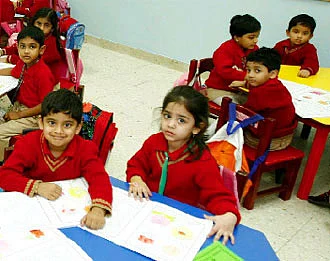
With new age cut-off rules taking effect for fresh admissions in the 2026-27 academic year, parents in the UAE are seeking clarity around placement and readiness in the early years.
In December, the Ministry of Education (MoE) announced that children could begin Foundation Stage One (FS1) under the British curriculum if they turn three by December 31 of the admission year, extending the previous cut-off from August 31.
As per the Knowledge and Human development Authority's (KHDA) website, "the new age eligibility cut-off dates apply only to new student admissions in Pre-Kindergarten, KG 1 / FS2, KG 2 / Year 1, Grade 1 / Year 2 or their curriculum equivalents, effective from the 2026–27 academic year.”
Stay up to date with the latest news. Follow KT on WhatsApp Channels.
However, some parents had assumed the updated rules would not apply to confirmed admissions. They are now feeling unsettled as offers are being withdrawn by schools.
As schools begin implementing the changes, some families say they are having to revisit admission plans they had already finalised. In certain cases, children are being moved into higher year groups or asked to start school earlier than parents had expected, prompting concerns around readiness and adjustment.
Why are parents concerned?
Parents say the changes raise questions about both academic progression and social development.
Eshanka Wahi, a mother of two young boys, said the revised cut-off has affected both of her children’s placements.
“My elder son, born in October 2022, was originally registered to join FS1 in September 2026, but under the new policy, he now has to skip a year and go straight to FS2 — becoming the youngest in his class, with classmates up to 16 months older than him.” She added that her younger son is being asked to start FS1 at just 2 years and 9 months old.
"This sudden policy shift, without a grace period of at least two years, raises serious concerns about children’s development, education, and the way such decisions are being implemented,” added Wahi.
Cristina Rusu said the changes disrupted a school placement she had already secured. She said her child had been enrolled in FS1 but was later informed that her daughter would need to move to FS2, where no places were available.
“Our deposit was returned because there are no FS2 spaces left, and now we’re left without a confirmed seat at all. Like many parents, we’re being forced to look at schools we never planned for, far from home, simply because our chosen schools are already full,” she said.
Policy aligns with federal legislation
The Knowledge and Human Development Authority (KHDA), in a statement to Khaleej Times, said the updated admissions policy aligns with federal legislation.
A spokesperson said, “KHDA has a regulatory responsibility to implement federal legislation, ensuring alignment across emirates and supporting consistent, long-term academic progression for all learners. Compliance with this legislation is mandatory and not subject to local discretion or exception.”
KHDA also noted that children develop at different rates and said schools and parents should work together to support students during the transition.
“Within the updated admission age federal framework effective from the 2026-27 academic year, educational institutions and parents are encouraged to work together to support children through this transition in a way that supports their wellbeing and ensures access to high-quality learning.”
School leaders in other emirates have also pointed to practical considerations in early years classrooms.
Rose AlKaabi, Head of English and Modern Foreign Languages at Woodlem British School, said the wider age range could affect classroom dynamics.
“I do see the existing balance being slightly disrupted. Moving the cut-off from August 31 to December 31 creates a wider age range within the same class, which may affect readiness, differentiation, and overall classroom dynamics, especially in the early years. While the intention is fairness, schools will need stronger support systems in place. At present, the policy does not clearly outline any option for parents to formally review or change a child’s placement after a term.”
Developmental considerations
Child development specialists note that earlier school entry can bring challenges beyond academics.
Some children may experience difficulties with self-regulation, peer interaction and adapting to structured routines.
Dr Sneha John, Licensed Psychologist at Medcare Camali Clinic Jumeirah, said, "Children who start school too early relative to their developmental readiness often show patterns including poor effortful control, elevated anxiety, higher irritability, and difficulty sustaining attention — all of which longitudinal studies link with poorer learning behaviours in kindergarten and lower levels of academic skills through elementary school."
What's Your Reaction?