



















Aviation growth drives trade and tourism
Civil aviation stands at the centre of economic expansion, tourism development and global connectivity as governments and industry leaders recalibrate policies to meet rising passenger demand and shifting trade patterns, Abdulla bin Touq Al Marri said while addressing a high-level ministerial gathering in Hyderabad. Speaking at the “Wings of India 2026” conference, the Minister of Economy and Tourism and Chairman of the Board of Directors of the […] The article Aviation growth drives trade and tourism appeared first on Arabian Post.

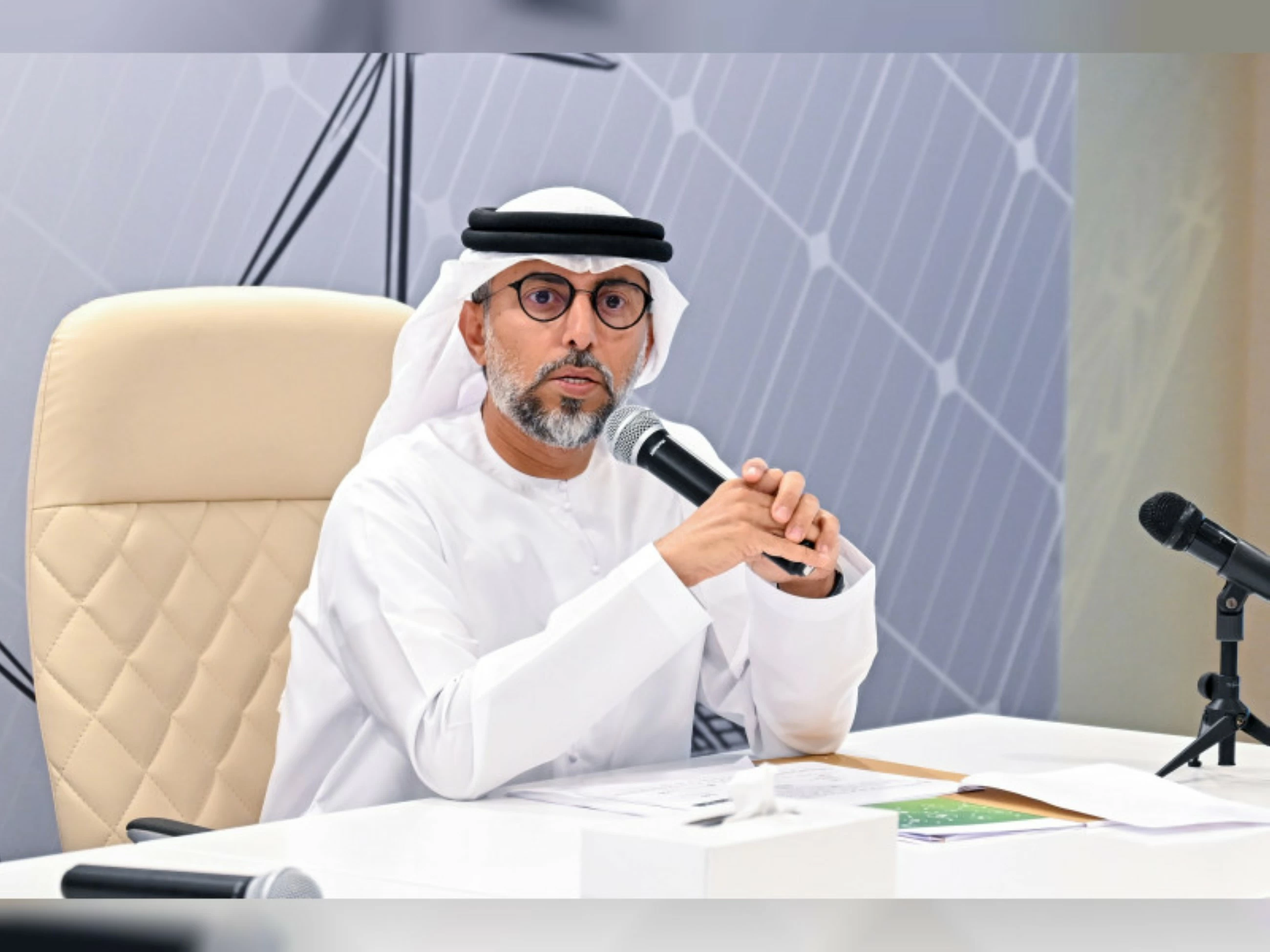
Civil aviation stands at the centre of economic expansion, tourism development and global connectivity as governments and industry leaders recalibrate policies to meet rising passenger demand and shifting trade patterns, Abdulla bin Touq Al Marri said while addressing a high-level ministerial gathering in Hyderabad.
Speaking at the “Wings of India 2026” conference, the Minister of Economy and Tourism and Chairman of the Board of Directors of the General Civil Aviation Authority underlined that aviation has moved beyond transport to become an enabler of commerce, investment and cultural exchange. He told delegates that air connectivity determines how economies integrate with global markets and how destinations compete for visitors, capital and talent.
Bin Touq’s remarks came as governments across Asia, the Middle East and Europe intensify airport expansion, fleet modernisation and regulatory reform to keep pace with sustained growth in passenger traffic and cargo volumes. He said aviation policies must align with wider economic strategies, noting that seamless air links help small and medium-sized enterprises reach overseas markets while supporting tourism-led job creation.
The conference session brought together ministers, regulators and senior officials to discuss how aviation can respond to structural changes in travel behaviour, supply chains and sustainability expectations. Bin Touq said the sector’s resilience during periods of global disruption had reinforced its strategic value, but warned that infrastructure bottlenecks and fragmented regulations could slow progress if not addressed collectively.
He pointed to the role of aviation in boosting tourism receipts, highlighting how expanded route networks and competitive airline services open new markets for hospitality, retail and cultural industries. Air access, he said, shapes traveller choices and length of stay, directly influencing national income and employment. He added that countries investing early in airport capacity and digital services are better placed to capture long-haul and transit traffic.
Trade flows were another focus of his address. Air cargo, Bin Touq said, has become indispensable for high-value, time-sensitive goods ranging from pharmaceuticals to electronics. As global manufacturing becomes more dispersed, reliable air freight links are increasingly critical to supply chain stability. He urged closer coordination between aviation authorities, customs agencies and logistics providers to streamline processes and reduce costs.
The Hyderabad conference also examined how technology is reshaping aviation economics. Industry participants discussed the impact of data-driven air traffic management, biometric passenger processing and predictive maintenance on efficiency and safety. Bin Touq said governments must support innovation while maintaining rigorous oversight, arguing that trust in aviation systems underpins passenger confidence and investor appetite.
Sustainability featured prominently in the discussions, reflecting mounting pressure on the sector to cut emissions without curbing growth. Bin Touq acknowledged the challenge, saying aviation authorities are balancing expansion with climate commitments through fuel efficiency standards, sustainable aviation fuel initiatives and improved operational practices. He stressed that progress depends on collaboration between states, manufacturers and energy suppliers rather than unilateral measures.
The presence of senior officials from multiple regions underscored the increasingly international nature of aviation policymaking. Delegates explored bilateral and multilateral frameworks aimed at liberalising air services, harmonising safety standards and encouraging cross-border investment in airports and airlines. Bin Touq said such cooperation helps avoid duplication and supports consistent passenger experiences across markets.
Hyderabad’s hosting of the event highlighted Asia’s rising influence in global aviation. Rapid urbanisation, a growing middle class and expanding tourism have made the region a focal point for aircraft orders and airport development. Bin Touq said established aviation hubs and emerging markets alike must adapt to these shifts, recalibrating networks and partnerships to remain competitive.
He also addressed workforce challenges, noting that skills shortages in areas such as air traffic control, engineering and digital systems could constrain growth. Investment in training and education, he said, is as vital as physical infrastructure, calling for stronger links between regulators, airlines and academic institutions to build future-ready talent pools.
The article Aviation growth drives trade and tourism appeared first on Arabian Post.
What's Your Reaction?